Category: Construction / Renovation Borrowers

  • Second Mortgages in Devon vs. Edmonton: Does Location Change Your Rate?

    Second Mortgages in Devon vs. Edmonton: Does Location Change Your Rate?

    If you own a home in Devon and need access to equity, you may wonder whether your rate would be better in Edmonton.

    The short answer is possibly, but the town boundary is rarely the biggest factor.

    Devon is a community of roughly 7,000 southwest of Edmonton, built originally as an Imperial Oil company town. It has an established housing stock, limited newer development, moderate prices, and plenty of homeowners who commute toward Edmonton, Nisku, or the surrounding industrial areas.

    That local context matters. But when a lender reviews a second mortgage in Devon, the age, condition, value, and resaleability of the property usually matter more than the word “Devon” on the application.

    The real question is risk, not city limits

    A second mortgage is registered behind your existing first mortgage. The lender is mainly asking:

    • How much is the property worth today?
    • How much is already owed?
    • What will the combined loan-to-value be?
    • Could the property be sold reasonably quickly if necessary?
    • Is there a clear plan to repay or refinance the second mortgage?

    Edmonton generally offers a deeper housing market and a larger pool of potential buyers. That can give lenders more confidence in resaleability.

    Devon is not automatically a problem. A well-maintained, standard detached home in a desirable area can still be straightforward to finance. However, a smaller buyer pool means the lender may examine the appraisal and property condition more closely.

    What usually changes the rate?

    1. Loan-to-value and combined LTV

    Loan-to-value, or LTV, compares the total mortgage debt to the appraised property value.

    For example:

    • Property value: $400,000
    • First mortgage: $240,000
    • Second mortgage: $40,000
    • Total financing: $280,000
    • Combined LTV: 70%

    Lower combined LTV generally means lower risk and more lender options. As leverage rises, rates often rise too, and some lenders may reduce the maximum amount they will advance.

    For Devon properties, a practical planning range may be 65% to 75% combined LTV, depending on the property and lender. Edmonton may offer more options at the upper end, particularly for standard homes with strong resaleability.

    2. Property type

    A typical detached home is usually easier to finance than a highly specialized property.

    Lenders may treat these differently:

    • Standard detached homes
    • Semi-detached homes and townhouses
    • Condos
    • Acreages
    • Farms and raw land
    • Properties with unusual layouts or multiple outbuildings

    Surrounding acreages in Leduc County and Parkland County can have strong equity, but they also involve extra questions about wells, septic systems, access roads, land use, and outbuildings.

    That does not mean acreage financing is unavailable. It means the appraisal needs to reflect the property accurately, and agricultural or rural financing may have more conservative LTV limits.

    3. Appraised value and resaleability

    Owners often value their home based on what they have invested in it. Lenders focus on what a qualified buyer would likely pay today.

    In Devon’s older neighbourhoods, deferred maintenance and dated finishes can pull the appraisal below the owner’s expectations. Common issues include:

    • Older roofing or windows
    • Foundation or drainage concerns
    • Dated kitchens and bathrooms
    • Furnace or hot-water tank age
    • Unfinished repairs
    • Limited comparable sales

    A lender is not judging your decorating choices. They are assessing how easily the property could be resold if the loan had to be enforced.

    Older Devon home interior with dated finishes and property assessment documents

    4. Your first mortgage balance and rate

    Your current first mortgage is a major part of the calculation.

    If you have a low-rate first mortgage, refinancing the entire mortgage may trigger a penalty or replace cheap financing with a higher blended rate. A second mortgage can allow you to keep the first mortgage intact and borrow only what you need.

    The trade-off is that the second mortgage usually carries a higher rate and may include lender, legal, appraisal, and broker fees.

    5. Your situation and exit strategy

    Private lenders Alberta-wide want to understand how the loan will be repaid.

    Possible exit strategies include:

    • Refinancing with a bank after income or credit improves
    • Selling the property
    • Paying off the loan from a business transaction
    • Receiving proceeds from an estate settlement
    • Completing a separation or divorce buyout
    • Consolidating expensive debt and improving monthly cash flow

    A strong exit plan can matter as much as a strong credit score.

    Devon vs. Edmonton vs. Calgary: a practical comparison

    The following examples are for planning only. They are not rate quotes or approvals. Actual pricing depends on the appraisal, lender, documentation, property, and loan structure.

    ExampleProperty and marketCombined LTVPractical pricing tendency
    Devon borrower$380,000 older detached home near the river valley65%–75%May price higher if dated, difficult to compare, or requiring repairs
    Leduc County borrower$700,000 acreage with well, septic, and outbuildings60%–70%Strong equity helps, but rural features may reduce lender options
    Calgary borrower$450,000 standard urban property70%–76%Larger buyer pool may support more lender competition
    Edmonton borrowerStandard detached home in a liquid urban neighbourhood65%–75%Often more options because resaleability is easier to establish

    A Devon homeowner with a clean, well-maintained home may receive better terms than an Edmonton homeowner with a highly leveraged property in poor condition. Location influences the file, but it does not decide the file by itself.

    Worked example: a $380,000 Devon home

    Suppose a Devon homeowner owns an older detached property with:

    • Appraised value: $380,000
    • Existing first mortgage: $225,000
    • Requested second mortgage: $45,000
    • Total financing: $270,000
    • Combined LTV: 71.1%

    Assume, purely for illustration, that the second mortgage is priced at 11.99% interest-only for a short-term arrangement.

    The estimated monthly interest payment would be approximately:

    • $45,000 × 11.99% ÷ 12 = $449.63 per month

    Potential costs could include:

    • Lender fee at 2%: $900
    • Appraisal: approximately $400–$600
    • Legal costs: approximately $800–$1,200

    The homeowner might receive less than $45,000 net after closing costs, depending on how the deal is structured.

    This is where the practical floor matters. A small second mortgage can become expensive when fixed costs consume a meaningful portion of the advance. Borrowing $25,000 against a lower-value property may not make sense if the fees, payment, and exit plan do not justify it.

    When keeping the first mortgage wins

    A second mortgage may be sensible when:

    • Your first mortgage has a particularly low rate
    • Breaking the first mortgage would create a large penalty
    • You need a moderate lump sum rather than a full refinance
    • You have a short, realistic repayment or refinance plan
    • Your credit or income temporarily does not fit bank guidelines
    • You need funds for debt consolidation, a separation settlement, or urgent repairs

    This is the basic reason homeowners search for a home equity loan Alberta solution or a private second: access the equity without disturbing the first mortgage.

    It can also help in situations such as a debt consolidation mortgage Edmonton, a mortgage for divorce settlement, or a short-term bridge while an estate settlement is completed.

    When a second mortgage is the wrong move

    A second mortgage is not automatically the best answer just because equity exists.

    It may be the wrong move when:

    • Your first mortgage is near renewal and refinancing would be cheaper
    • The requested amount is too small to justify the fees
    • There is no credible repayment plan
    • The monthly payment would create another cash-flow problem
    • The property value is uncertain or the appraisal is likely to disappoint
    • You are borrowing to cover an ongoing deficit rather than solve a temporary issue
    • Selling or downsizing would be safer financially

    A transparent lender should show the full cost, including interest, lender fees, legal fees, appraisal costs, and the expected payout amount.

    Devon acreages require extra homework

    Alberta acreage near Devon with farmhouse, field, well equipment, septic context and outbuildings

    For an acreage in Leduc County or Parkland County, the lender may review:

    • Well type and water quality information
    • Septic system condition and documentation
    • Road access and winter maintenance
    • Agricultural zoning or land use
    • Outbuildings and their contribution to value
    • Whether the property is a working farm or residential acreage
    • Comparable sales for similar rural properties

    Agricultural financing Alberta borrowers should not assume that every dollar invested in a shop, barn, or improvement adds the same amount to appraised value. Rural improvements can be useful without being fully recoverable in a forced sale.

    How NOW Mortgage approaches a Devon file

    At NOW Mortgage, the goal is to identify what the property can realistically support and explain the costs before you commit.

    We can review options for:

    • A private mortgage Edmonton-area homeowners can use when banks say no
    • Second mortgages and equity-based financing
    • Debt consolidation
    • Divorce and separation funding
    • Agricultural and acreage financing
    • Reverse mortgage Edmonton options for qualifying seniors
    • Bad credit mortgage Calgary and other Alberta equity situations

    There is no credit check required to start exploring your options, and the first conversation is about the property, the amount needed, and the plan, not a sales pitch.

    Start with NOW Mortgage’s pre-qualification process or learn what a private mortgage is.

    Devon second mortgage FAQ

    Are second mortgage rates higher in Devon than Edmonton?

    They can be, especially when the Devon property is older, needs repairs, has a lower value, or is harder to compare with recent sales. A strong Devon property with reasonable LTV can still receive competitive terms.

    Can I get a second mortgage in Devon with bad credit?

    Possibly. Private lenders often focus more heavily on property equity, LTV, and the repayment plan than traditional banks do. Credit still matters, but it may not be the deciding factor.

    How much equity do I need?

    There is no single answer. Many lenders prefer total financing to remain within approximately 65% to 75% of the appraised value for small-town or rural properties. The exact limit depends on the property and lender.

    Can I keep my low-rate first mortgage?

    Often, yes. That is one of the main reasons homeowners consider a second mortgage instead of refinancing. You would make a separate payment on the second mortgage while leaving the first mortgage in place.

    Does an acreage qualify for a second mortgage?

    It may. Wells, septic systems, outbuildings, access, land use, and resaleability all affect the review. Rural and agricultural properties are usually assessed more carefully than standard urban homes.

    What should I prepare before applying?

    Have these details ready:

    • Approximate current property value
    • First mortgage balance and rate
    • Property taxes
    • Amount you need
    • Reason for borrowing
    • Any existing HELOCs or liens
    • Your preferred repayment or refinance timeline

    The bottom line for Devon homeowners

    Devon’s location can influence pricing, but the property usually tells the bigger story.

    An older, well-maintained home with manageable debt may be a stronger second-mortgage file than a newer but highly leveraged property in Edmonton. On the other hand, dated finishes, deferred maintenance, uncertain appraisal value, or a thin resale market can push a Devon deal toward a lower LTV or higher rate.

    The smart comparison is not simply “Devon versus Edmonton.” It is:

    What is the property worth, how much equity is available, what will the total cost be, and how will the loan be repaid?

    That is the information worth getting before signing anything.

  • Private Mortgages in Devon: What Locals Need to Know When the Bank Says No

    Private Mortgages in Devon: What Locals Need to Know When the Bank Says No

    Devon is not Edmonton with fewer traffic lights. It is a small, close-knit river-valley town of roughly 7,000 people, about 25 kilometres southwest of Edmonton, with a strong community identity, established neighbourhoods, and a housing market built largely around modest detached homes.

    That local character matters when you need financing.

    Many Devon properties date back to the town’s Imperial Oil company-town beginnings. They may have mature landscaping, practical layouts, additions, older mechanical systems, or deferred maintenance. That can be perfectly normal for Devon, but it may still create problems with a traditional bank’s appraisal, property-condition rules, or income requirements.

    If your bank says no, a private mortgage in Devon may provide a short-term bridge. It is not a cheaper replacement for a bank mortgage. It is a flexible tool designed to solve a problem, buy time, and create a clear path forward.

    Why Devon homeowners get declined by banks

    A bank decline does not always mean you lack equity or that your home is “unfinanceable.” It may simply mean your situation does not fit a standardized lending box.

    In Devon, common friction points include:

    • Older homes with deferred maintenance that do not meet a bank’s preferred condition standards
    • Appraisals that come in lower than expected because Devon’s home prices are more modest than Edmonton’s
    • Contract, seasonal, trades, industrial, or energy-related income that is difficult to document consistently
    • A recent separation, divorce, job change, or business transition
    • Long-time homeowners with substantial equity but reduced retirement income
    • Properties with additions, unusual layouts, workshops, acreage components, or other features a bank considers difficult to value
    • A renewal deadline or legal settlement that does not wait patiently for a six-week underwriting process

    Devon’s connection to Edmonton and the Nisku-Leduc industrial corridor creates real employment opportunities. It also means some household income can be cyclical, contract-based, overtime-heavy, or tied to project work. Banks often want a clean, predictable income history. Real life, inconveniently, does not always provide one.

    What a private mortgage looks at instead

    A private lender usually places more emphasis on the property’s value, equity, marketability, and the overall plan.

    That does not mean income and credit are irrelevant. It means they may not be the only deciding factors.

    At NOW Mortgage, you can get started with no credit check required to see your options. The first conversation is about understanding your property, your objectives, your existing mortgage, and what needs to happen next.

    Depending on the property type and strength of the file, financing may be available up to 75% loan-to-value (LTV). The actual amount depends on the appraisal, location, condition, existing debts, and how easily the property could be sold if circumstances changed.

    For a modestly priced Devon home, 75% LTV does not necessarily create a huge amount of cash. That is important to understand upfront. The available amount may be enough to consolidate debt, complete a buyout, or solve a time-sensitive problem, but it may not support a very large renovation budget or every debt on your list.

    There is also a practical minimum. Appraisal, legal, lender, and brokerage costs can make very small private mortgages uneconomical. The right answer depends on the numbers, not a catchy advertisement.

    Homeowner reviewing appraisal and mortgage documents in Devon

    The cost: higher rates, shorter terms, clearer deadlines

    Private mortgages generally carry higher interest rates than bank mortgages. They also commonly include costs such as appraisal fees, legal fees, lender fees, and brokerage fees.

    That is why private lending should usually be treated as a short-term bridge, not a permanent mortgage strategy.

    Before you commit, you should receive a complete estimate showing:

    • Interest rate and estimated interest cost
    • Lender and brokerage fees
    • Legal and appraisal costs
    • Expected monthly payment
    • Term and maturity date
    • Renewal or discharge costs
    • Any applicable penalties or conditions

    The goal is not to make the cost look smaller. The goal is to make the full cost visible before you sign.

    A private mortgage can make sense when it prevents a forced sale, protects your equity, resolves a separation deadline, or gives you time to qualify with a traditional lender. It makes much less sense when there is no realistic plan for repayment.

    Bank versus private lender: what the timeline can look like

    Every file is different, but the general difference is straightforward.

    StageTraditional bankPrivate lender
    Initial reviewSeveral business days to a few weeksOften same day or within a few days
    Income verificationDetailed and standardizedMore flexible, depending on equity and property
    Property reviewStrict appraisal and condition requirementsMore case-by-case
    ApprovalMay require multiple underwriting conditionsOften faster once documents and appraisal are available
    FundingCommonly weeks, especially with complicationsPotentially days to a couple of weeks
    TermUsually designed for long-term borrowingOften short-term, commonly 6–24 months
    Exit planLess central at approvalEssential before funding

    Fast funding is helpful, but it is not magic. You still need accurate documents, a reasonable appraisal, a solicitor, and a property that supports the requested loan.

    Common Devon situations a private mortgage can solve

    Debt consolidation

    High-interest credit cards, tax arrears, personal loans, and vehicle debt can become expensive and difficult to manage. A debt consolidation mortgage in Edmonton’s surrounding communities may use home equity to replace several payments with one structured mortgage payment.

    The numbers need to be tested carefully. Consolidation only helps if the new payment and behaviour afterward are sustainable.

    Divorce or separation buyouts

    A separation can create a tight deadline: one spouse wants to keep the home, the other needs to be paid out, and the bank may not approve the remaining borrower’s income on its own.

    A private mortgage can provide interim financing for a mortgage for a divorce settlement, title transfer, or spousal buyout while the homeowner improves income documentation or arranges a longer-term refinance.

    NOW Mortgage also provides divorce and separation financing with confidential handling and a focus on the agreement, timeline, and exit plan.

    Estate and probate settlements

    An estate may include a Devon home with a mortgage, unpaid expenses, multiple beneficiaries, or a required sale. A private mortgage can sometimes provide funds to cover urgent obligations while probate, property preparation, or the sale process moves forward.

    Legal and estate advice should be obtained separately. Mortgage financing does not replace legal guidance.

    Older homes and unusual properties

    A home does not become worthless because it has an older roof, dated finishes, an addition, or a layout that would make a bank’s spreadsheet nervous.

    A private lender may be more comfortable with an established Devon property if the overall value and resale prospects are reasonable. Serious structural, environmental, safety, or title issues still matter and may reduce the available LTV.

    Acreage and agricultural financing near Devon

    Outside town, properties in Leduc County and Parkland County can involve more than a house. There may be cultivated land, outbuildings, shops, livestock areas, wells, septic systems, or mixed residential and agricultural use.

    That is where standard urban mortgage rules often become less useful.

    NOW Mortgage offers agricultural financing in Alberta and may consider farm, raw land, and acreage situations on a case-by-case basis. The published guideline for many agricultural and raw land properties is up to 55% LTV, with higher leverage possible in exceptional files depending on the property and application.

    Rural acreage and farmhouse near Devon in Leduc or Parkland County

    Reverse mortgages for Devon seniors

    Some long-time Devon homeowners have significant equity but less income after retirement. They may own an older home nearly mortgage-free while living on pensions, investments, or reduced employment income.

    For homeowners aged 55 and older, a reverse mortgage may be more appropriate than a short-term private mortgage when the goal is long-term cash flow and staying in the home.

    A reverse mortgage generally does not require regular mortgage payments, but interest is added to the balance. You remain responsible for property taxes, insurance, maintenance, and occupancy requirements.

    Read more about reverse mortgage questions for Alberta seniors. The best option depends on your timeline, family plans, income, and comfort with reducing future home equity.

    Your exit strategy matters more than your approval

    A private mortgage should answer two questions:

    1. What problem are we solving today?
    2. How will this mortgage be repaid or replaced later?

    Possible exit strategies include:

    • Refinancing with a bank or credit union after improving income documentation
    • Moving to a B lender after credit or debt ratios improve
    • Selling the property
    • Receiving proceeds from an estate or business transaction
    • Completing a planned asset sale
    • Using a future pension, employment, or contract-income change to qualify traditionally

    If there is no credible exit strategy, approval may simply postpone the problem while adding interest and fees.

    At NOW Mortgage, the purpose is not to push every homeowner into a private mortgage. It is to explain the numbers, identify the risks, and determine whether the bridge is workable.

    Devon private mortgage FAQ

    Can I get started without a credit check?

    Yes. No credit check is required to get started and see your options. A full approval still requires property, mortgage, identity, and financial information.

    Can I borrow up to 75% of my Devon home’s value?

    Potentially, depending on the property type, appraisal, condition, location, and overall file. Older homes, acreage properties, and unusual properties may qualify at a lower LTV.

    Is a private mortgage cheaper than a bank mortgage?

    Usually not. Private mortgages generally have higher rates and more fees. Their value is speed and flexibility when a bank solution is unavailable or too slow.

    How quickly can funding happen?

    Some straightforward files can move in days, while others take longer because of appraisal, legal, title, or property-condition requirements. Fast approval is possible, but it depends on receiving complete information promptly.

    Can I use the money for debt consolidation or a separation buyout?

    Often, yes. Private financing may be used for debt consolidation, a spousal buyout, estate obligations, or other legitimate purposes, subject to the property and exit strategy.

    Do Devon acreage properties qualify?

    They may. Acreages, farms, and raw land are assessed differently from town homes. LTV, pricing, and required documentation depend on land use, improvements, location, access, and marketability.

    What should I prepare before applying?

    Have these details ready:

    • Property address and estimated value
    • Current mortgage balance
    • Property tax information
    • Purpose and amount of financing
    • Income sources and employment history
    • Details of any separation, estate, debt, or legal deadline
    • Your proposed exit strategy

    Start with a confidential financing estimate. NOW Mortgage provides upfront cost estimates, including applicable fees, before you commit: because “surprise mortgage costs” is not a great business model.

    For Devon homeowners, a bank decline is a problem to solve, not automatically a reason to sell. The right private mortgage can provide breathing room, protect equity, and create a realistic route back to traditional financing.

    https://www.statcan.gc.ca/
    https://www.devon.ca/Portals/0/Documents/Plans-Reports/2017-09-22-Municipal-Development-Plan_v1.pdf

  • Second Mortgages in Beaumont vs. Edmonton: Does Location Change Your Rate?

    Second Mortgages in Beaumont vs. Edmonton: Does Location Change Your Rate?

    If you own a newer home in Beaumont, you may wonder whether a second mortgage in Beaumont costs more than one in Edmonton.

    The short answer: sometimes, but usually not because of the municipal boundary.

    Lenders care more about the property and the overall deal: how much equity you have, how easy the home would be to resell, how much you already owe, and what your plan is for repaying the second mortgage.

    That matters in Beaumont because the town has a distinct housing profile. It is a fast-growing community of roughly 20,000 people just south of Edmonton, with a young family demographic, strong commuter ties, and many homes built in the 2000s and 2010s. The francophone-influenced heritage is part of Beaumont’s identity, but newer subdivision housing is a big part of the mortgage story.

    Many homeowners have solid dual incomes. They may also have high leverage on newer homes and less equity built up than they expected.

    Beaumont vs. Edmonton: the real pricing difference

    A lender does not simply say, “Beaumont equals this rate; Edmonton equals that rate.”

    Instead, pricing typically reflects:

    • Loan-to-value (LTV)
    • Combined loan-to-value (CLTV)
    • Property type and condition
    • Appraised value
    • Resaleability
    • Your first mortgage balance and rate
    • Income, credit, and overall borrower situation
    • The proposed exit strategy

    A standard detached home in a Beaumont subdivision may be viewed very similarly to a standard detached home in south Edmonton.

    An acreage, custom home, unusual property, or home with limited comparable sales may be treated differently, even if it is only a short drive away.

    That is why the answer to “Does location change my rate?” is usually: the property profile changes your rate more than the town sign does.

    What is combined LTV?

    Combined LTV is the total of your first and second mortgages compared with the property’s appraised value.

    Formula:

    Combined LTV = (first mortgage balance + second mortgage amount) ÷ appraised property value

    For example, if your home is appraised at $500,000 and you owe $350,000 on the first mortgage, your current LTV is 70%.

    If you add a $50,000 second mortgage:

    • Total secured debt: $400,000
    • Property value: $500,000
    • Combined LTV: 80%

    The higher the combined LTV, the less equity cushion remains for the lender. That generally means higher pricing, more fees, stricter terms, or no approval at all.

    Why newer Beaumont homes can be surprisingly tight on equity

    Newer homes can look like excellent security. They are modern, family-friendly, and often located in popular subdivisions.

    But newer does not automatically mean low risk.

    A Beaumont homeowner may have:

    • Bought during a period of higher prices
    • Put down a modest down payment
    • Added renovations or consumer debt
    • Paid down the first mortgage for only a few years
    • Borrowed again as the family grew
    • Seen the home’s value grow more slowly than the mortgage balance

    That creates a common problem: a good home with very little usable equity.

    In Edmonton, a homeowner with an older property may have purchased years ago and paid down a much larger portion of the original mortgage. The Edmonton home might be worth less than the Beaumont home but still offer more available equity.

    Side-by-side: a Beaumont borrower and an Edmonton borrower

    FactorBeaumont exampleEdmonton example
    Property typeNewer detached subdivision homeEstablished detached home
    Appraised value$580,000$450,000
    First mortgage balance$510,000$250,000
    Current LTV87.9%55.6%
    Room before an 80% CLTV capNoneApproximately $110,000
    Likely lender concernVery high leverage and limited equityProperty-specific appraisal and repayment plan
    Possible resultSecond mortgage may not fitBroader lender options may be available

    The Beaumont property is worth more, but the homeowner owes almost all of that value already.

    At an 80% combined LTV limit, the maximum total lending on a $580,000 appraisal would be approximately $464,000. The existing first mortgage is already $510,000.

    That means there is no conventional equity room for a second mortgage based on that appraisal.

    The Edmonton borrower, by contrast, has approximately $200,000 in equity before considering selling costs. At an 80% combined LTV cap, total secured lending could be around $360,000. With a $250,000 first mortgage, that leaves roughly $110,000 of theoretical room.

    The Edmonton borrower may therefore receive a better rate, not because Edmonton is automatically cheaper, but because the lender has more equity protection.

    Worked example: keeping a low-rate first mortgage

    Suppose the Beaumont homeowner has:

    • Home value: $580,000
    • First mortgage balance: $400,000
    • First mortgage rate: 3.25%
    • Requested second mortgage: $45,000

    The new total borrowing would be $445,000.

    Combined LTV:

    • $445,000 ÷ $580,000 = approximately 76.7%

    That may fit more lender programs than the earlier $510,000 first-mortgage example. The property is still leveraged, but the lender has a meaningful equity cushion.

    Now consider the structure.

    If the homeowner refinances the entire $400,000 first mortgage into a new mortgage at a higher rate, they could lose the benefit of the existing 3.25% mortgage. Depending on penalties, fees, and the new rate, that may be expensive.

    A second mortgage could allow them to:

    • Keep the low-rate first mortgage in place
    • Borrow only the additional amount needed
    • Avoid refinancing the entire balance
    • Use a short-term plan while arranging a longer-term solution

    The second mortgage rate may be higher than the first mortgage rate. That is expected. The question is whether paying a higher rate on $45,000 is less costly than replacing a low-rate mortgage on $400,000.

    The answer depends on the term, fees, penalty, payment structure, and exit plan. A proper comparison should look at the total cost, not just the headline interest rate.

    Homeowner signing clear mortgage documents during a guided financing process

    When a second mortgage can make sense

    A second mortgage may be worth considering when it solves a specific short- or medium-term problem.

    Common examples include:

    • Debt consolidation mortgage Edmonton homeowners use to replace high-interest credit cards or loans
    • A time-sensitive mortgage for divorce settlement or spousal buyout
    • Bridge funding while a property is being sold
    • A temporary income disruption
    • A mortgage renewal declined by a bank
    • Business or investment funds supported by home equity
    • A short-term solution before returning to bank financing

    This is where private lenders Alberta borrowers may consider can be more flexible than traditional lenders. Approval may focus more heavily on property value, equity, and the repayment plan than on perfect credit.

    A private mortgage Edmonton or Beaumont solution is not automatically better. It is simply a different tool for a different situation.

    When a second mortgage is the wrong move

    Here is the blunt part: sometimes the right answer is no.

    A second mortgage may be the wrong move when:

    • There is not enough equity after the first mortgage
    • The requested loan would push combined LTV too high
    • Monthly payments are already unaffordable
    • The loan only delays an unsolved financial problem
    • There is no credible exit strategy
    • The fees consume too much of the available funds
    • Selling or restructuring the property is the more realistic option

    In the $580,000 Beaumont example with a $510,000 first mortgage, forcing a second mortgage may create more risk than relief. A lender may decline it, or a proposed structure may carry an unusually high rate and fees.

    Possible alternatives could include:

    • Waiting until the first mortgage balance is lower
    • Selling another asset or reducing unsecured debt
    • Negotiating with existing creditors
    • Refinancing later, if income and equity improve
    • Selling the property before the situation becomes urgent
    • Considering a different secured structure, if available

    A transparent lender should tell you when there simply is not enough room. “We can technically lend something” is not the same as “this is a sensible mortgage.”

    What appraisers and lenders look for in Beaumont

    For a typical Beaumont subdivision property, lenders may want to understand:

    • Recent comparable sales in the same subdivision
    • The home’s condition and layout
    • Whether the appraisal supports the requested value
    • How quickly similar homes are selling
    • The first mortgage payout statement
    • Any liens, tax arrears, or secured credit lines
    • Your income and repayment plan

    Beaumont’s commuter relationship with Edmonton can support demand, especially for family homes. But subdivision-by-subdivision resale matters. A property with many similar recent sales may be easier to finance than a unique home with few close comparables.

    The same principle applies to properties outside the main town. Agricultural financing Alberta deals, acreages, and rural properties are assessed differently from a standard Beaumont detached home. They may require specialized appraisal work, different LTV limits, or a more detailed exit plan.

    How NOW Mortgage can help you compare the options

    At NOW Mortgage, you can start by reviewing your options without a credit check or obligation through the financing estimator.

    We look at the full picture:

    • Property value and type
    • First mortgage balance
    • Existing rate and penalty considerations
    • Desired loan amount
    • Income and credit situation
    • Purpose of the funds
    • Exit strategy

    If the situation involves separation, a divorce and separation financing solution may be structured around a buyout or court timeline.

    For seniors, a reverse mortgage Edmonton homeowners consider may be more suitable than a conventional second mortgage when the priority is cash flow and reduced monthly payments. The right structure depends on age, equity, occupancy, and long-term plans. You can also review reverse mortgage questions and trade-offs.

    Beaumont second mortgage FAQ

    Are second mortgage rates higher in Beaumont than Edmonton?

    Not automatically. Standard Beaumont subdivision homes may receive pricing close to comparable Edmonton properties. Rates can rise when the property has high combined LTV, limited equity, unusual features, or weaker resaleability.

    Can I get a second mortgage with bad credit?

    Possibly. A bad credit mortgage Calgary search may bring up similar private lending options, but approval depends heavily on equity, property value, loan size, and the exit plan. Bad credit alone does not create equity where none exists.

    How much equity do I need?

    There is no single answer. Many lenders prefer total secured lending to remain around 75% to 80% of appraised value, although some structures may go higher with additional risk and cost. Your first mortgage balance is the starting point.

    Should I refinance instead of adding a second mortgage?

    Refinancing may be cheaper if your current mortgage rate is no longer especially attractive and you qualify for a stronger new mortgage.

    Keeping the first mortgage and adding a second may make more sense when the first mortgage has a low rate, the amount needed is relatively small, and the refinance penalty would be significant.

    Can I use a second mortgage for debt consolidation?

    Yes, in suitable cases. The key is making sure the new payment and fees actually improve your position. Consolidating debt without changing the spending or repayment plan can simply move the problem onto your home.

    What if my Beaumont home does not have enough equity?

    The honest answer may be to wait, reduce the requested amount, consider another structure, or sell. A responsible mortgage review should identify that before you pay appraisal and legal costs.

    Bottom line: location matters, but equity matters more

    A Beaumont address does not automatically mean a higher second-mortgage rate than an Edmonton address.

    The bigger issue is Beaumont’s common borrower profile: newer homes, high purchase prices, strong family incomes, and sometimes limited equity built up so far.

    A well-paid-down Edmonton property may receive better pricing than a highly leveraged Beaumont home, even if the Beaumont property is newer and worth more.

    Before comparing rates, compare the structure:

    • What is the appraised value?
    • What is the first mortgage balance?
    • What will the combined LTV be?
    • Is the first mortgage worth keeping?
    • What is the repayment plan?
    • Is a second mortgage actually the safest solution?

    For a confidential review of a Beaumont or Edmonton property, learn more about private mortgages or start an application with NOW Mortgage.

  • Private Mortgages in Beaumont: What Locals Need to Know When the Bank Says No

    Private Mortgages in Beaumont: What Locals Need to Know When the Bank Says No

    Beaumont has a very specific housing and financial profile.

    It is a growing community just south of Edmonton, with roughly 20,000 residents, a strong family demographic, bilingual and francophone roots, and plenty of newer subdivision homes built during the 2000s and 2010s. Many households include two professional incomes, but also two vehicles, child-care costs, credit cards, and a large mortgage.

    That combination can look perfectly healthy on paper until one income changes, an appraisal comes in low, or the bank’s debt-service calculations say no.

    A private mortgage in Beaumont may provide a short-term bridge when traditional financing is not available. It is not a cheaper replacement for a bank mortgage. It is a flexible tool designed to solve a specific problem, quickly and transparently.

    Why Beaumont homeowners may be declined by a bank

    A bank does not only look at whether you have equity in your home. It also applies strict rules around income, credit, debt payments, and affordability.

    For Beaumont families commuting north into Edmonton, the pressure can build quickly:

    • A large first mortgage on a newer detached home
    • Vehicle financing for one or two daily commuters
    • Credit card or line-of-credit balances
    • Child-care expenses
    • Variable, commission-based, or recently reduced income
    • A separation, job change, or unexpected family expense

    You may have never missed a payment and still fail a bank’s debt-service calculations.

    That is one reason homeowners sometimes search for a private mortgage Edmonton solution even when they live in Beaumont. The issue may not be the home. It may be that the household’s current numbers no longer fit a bank’s standardized model.

    Newer Beaumont homes can create appraisal problems

    Many Beaumont properties are relatively modern family homes in planned subdivisions. That is a major advantage for livability, but newer construction can still create financing friction.

    If comparable sales are limited, or if the market has softened since you purchased, the appraisal may come in below your original purchase price. A lender uses the current appraised value, not what you paid two or three years ago.

    That matters because private lending is primarily based on loan-to-value, or LTV:

    LTV = total mortgage debt ÷ current appraised property value

    NOW Mortgage may consider financing up to 75% LTV, depending on the property, location, condition, and overall strength of the application.

    A lower appraisal can reduce the amount available. It can also leave less room for a second mortgage or debt consolidation.

    High combined LTV genuinely limits your options

    Suppose your Beaumont home appraises at $500,000 and your first mortgage balance is $350,000. Your first mortgage already represents 70% LTV.

    There may be little or no practical room for a second mortgage once lender fees, legal costs, and risk are considered.

    This is important: a private lender cannot create equity that is not there. If your first mortgage and proposed second mortgage push the combined LTV too high, the options become narrower.

    A home equity loan Alberta homeowners can actually use must be supported by enough usable equity. Sometimes the right answer is a smaller loan, a refinance that replaces the first mortgage, a sale, or more time to rebuild the file, not simply adding another payment.

    Private mortgage options for Beaumont homeowners

    Private lending is usually based more heavily on the property and the available equity than on a perfect credit profile.

    At NOW Mortgage:

    • No credit check is required to get started and review your options.
    • We provide an upfront estimate of costs, including applicable fees, before you commit.
    • Approval and funding can move quickly when the property and documentation are straightforward.
    • Flexible criteria may help when income, credit, or timing does not fit a bank’s rules.
    • Financing may be available up to 75% LTV, depending on the property and circumstances.

    Private lenders Alberta homeowners work with may consider situations such as:

    Debt consolidation

    A young Beaumont family might be carrying a mortgage, two vehicle loans, credit cards, and other consumer debt. Consolidating some of that debt into mortgage financing may reduce the number of payments and replace very high-interest unsecured debt with one secured obligation.

    But consolidation is not a magic reset button. The exit plan should explain how you will avoid rebuilding the same credit-card balances after closing.

    For Edmonton commuters, this may be a useful short-term strategy when searching for a debt consolidation mortgage Edmonton homeowners can use to stabilize cash flow.

    Divorce and separation buyouts

    A separation can change household income overnight. One person may need to buy out the other’s interest in the home, remove a former partner from title, or refinance debts connected to the relationship.

    A mortgage for divorce settlement may be structured as interim financing while legal documents, support arrangements, and long-term income are finalized.

    NOW Mortgage offers divorce and separation financing for situations including:

    • Spousal buyouts
    • Removing a partner from title or the mortgage
    • Debt consolidation after separation
    • Time-sensitive court or agreement deadlines
    • Temporarily reduced or irregular income

    Independent legal advice is essential. Mortgage financing does not replace a separation agreement or legal advice.

    Estate settlements

    An estate may include a Beaumont home with an existing mortgage, multiple beneficiaries, tax obligations, or a deadline to distribute proceeds.

    Private financing can sometimes provide time to settle the estate, refinance the property, or avoid selling under pressure. The executor, beneficiaries, and lawyer will need to be clear about ownership and repayment.

    Acreage financing around Leduc County

    Outside Beaumont, surrounding Leduc County properties may include acreages, agricultural land, and rural homes. These properties are not always treated like standard subdivision houses.

    NOW Mortgage’s farm and raw land financing page notes that agricultural and raw land financing may generally reach 55% LTV, with higher leverage considered only in exceptional cases.

    That can be relevant for borrowers exploring agricultural financing Alberta options, land improvements, or rural-property refinancing. Acreage value, access, land use, outbuildings, and marketability all matter.

    Reverse mortgages

    Older Beaumont homeowners may have substantial home equity but limited qualifying income. A reverse mortgage can provide access to equity without the same monthly-payment structure as a traditional refinance.

    A reverse mortgage is not a free source of money. The balance generally grows over time, and taxes, insurance, maintenance, and occupancy requirements still apply. Read more about the trade-offs in NOW Mortgage’s guide to reverse mortgages.

    The same questions often arise in searches for a reverse mortgage Edmonton homeowners can use: How much equity is available? What happens when the home is sold? How will the balance affect the estate?

    Bank versus private mortgage: a realistic timeline

    StageTraditional bankPrivate mortgage
    Initial reviewSeveral days to weeks, depending on complexityOften faster when property details are complete
    Income verificationStrict T4s, tax returns, debt ratios, and stress testingMore flexible review, with focus on property and exit
    Credit requirementsUsually significantNo credit check required to get started; final review still applies
    AppraisalOften requiredUsually required to confirm current value
    ApprovalMay involve multiple underwriting stepsCan be quicker with a clear file
    FundingOften weeks, especially for complex refinancesPotentially days, subject to documents, appraisal, and legal work
    CostLower rate, typically longer-termHigher rate and fees, usually short-term

    The key phrase is subject to. Fast funding is possible, but no responsible lender should promise money without confirming value, title, documents, and the repayment plan.

    The exit strategy matters more than the approval

    A private mortgage is usually a short-term bridge, not a permanent replacement for a bank mortgage.

    Before committing, ask:

    • What will change before the term ends?
    • Will income recover after a job change or separation?
    • Can consumer debt be reduced?
    • Will the property value and LTV support refinancing?
    • Is a B-lender or traditional lender likely to accept the file later?
    • What happens if the home must be sold instead?

    The plan may be to refinance with a bank, move to another lender, sell the property, or resolve a legal or income issue. If there is no credible exit, a private mortgage may only delay the problem.

    What Beaumont borrowers should ask before signing

    Request a written estimate showing:

    • Interest rate and payment structure
    • Lender and broker fees
    • Appraisal and legal costs
    • Renewal or extension costs
    • Default interest and late-payment charges
    • Prepayment terms
    • Total estimated cost over the full term

    At NOW Mortgage, transparency means seeing the expected costs before you commit, not discovering them at the lawyer’s office.

    Start with the NOW Mortgage financing estimator to review your situation without a credit check or obligation.

    Beaumont private mortgage FAQ

    Can I qualify if my bank declined me?

    Possibly. A bank decline may relate to income, credit, debt ratios, timing, or documentation rather than the property itself. The available equity and current appraisal will be central to the review.

    What if I have bad credit?

    Bad credit does not automatically end the conversation, but it can affect pricing, structure, and available LTV. Start by reviewing the property and objective before assuming you need financing. The same principle applies to people searching for a bad credit mortgage Calgary, although every municipality and property is assessed individually.

    Can I get a second mortgage on my Beaumont home?

    Possibly, if the combined LTV leaves enough equity. If your first mortgage is already close to the maximum practical LTV, a second mortgage may not be suitable. Searches for a second mortgage Calgary often involve the same calculation: current value minus existing secured debt, less costs and risk.

    Is a private mortgage more expensive than a bank mortgage?

    Usually, yes. Private mortgages generally have higher rates and fees because the lender is taking on more flexibility and risk. The benefit is access and speed: not cheap long-term borrowing.

    Can I use financing to keep my home after separation?

    Potentially. A private mortgage may help fund a spousal buyout or refinance during a separation, provided the home has enough equity and the repayment plan is realistic.

    Does NOW Mortgage only serve Beaumont?

    NOW Mortgage serves homeowners across Alberta, including Edmonton and Calgary. If you are comparing a private mortgage Calgary option with other lenders, or looking at a home equity loan Alberta solution, the same transparency standards should apply: understand the LTV, total cost, and exit plan.

    The bottom line for Beaumont homeowners

    A bank decline does not automatically mean you must sell your home. But it also does not mean a private mortgage is automatically the right answer.

    For Beaumont’s young, highly leveraged households, the real questions are practical:

    • How much equity is available after a conservative appraisal?
    • How much room remains after the first mortgage?
    • What problem needs solving right now?
    • What will improve before the term ends?
    • Can the loan be refinanced or repaid without putting the home at unnecessary risk?

    If the numbers work, a private mortgage can create breathing room during debt consolidation, a separation, an estate settlement, or an income transition. If they do not, an honest answer early is better than an expensive surprise later.

    Contact NOW Mortgage for a confidential review of your Beaumont property and options. Call 587-200-6727 or email lending@nowmtg.ca.

  • Second Mortgages in Leduc vs. Edmonton: Does Location Change Your Rate?

    Second Mortgages in Leduc vs. Edmonton: Does Location Change Your Rate?

    If you own a home in Leduc and need to access equity, you may wonder whether living south of Edmonton changes your second-mortgage rate.

    Usually, no, not by itself.

    Leduc is a fast-growing city of roughly 35,000 to 40,000 people immediately south of Edmonton along Highway 2. With the Edmonton International Airport next door, Nisku’s industrial and logistics economy nearby, and new subdivisions expanding across the city, Leduc has a strong and recognizable residential market.

    But lenders do not simply price a mortgage based on the municipality printed on your property tax bill. They look at the property, the borrower, the equity position, and the repayment plan.

    The short answer: Leduc versus Edmonton

    For a standard owner-occupied house in Leduc or Edmonton, the rate on a second mortgage is usually driven by:

    • Loan-to-value (LTV) and combined LTV
    • The property type and condition
    • The appraised value and resaleability
    • Your existing first-mortgage balance and rate
    • Your income, credit, and overall situation
    • The purpose of the funds
    • Your exit strategy

    A typical detached home in a Leduc subdivision may receive similar consideration to a comparable Edmonton home.

    The difference appears when the property is an acreage, unusually high-LTV, specialized, rural, vacant, or difficult to resell. That is when location can affect lender appetite, maximum financing, fees, and rate.

    Why Leduc is generally a strong lending market

    Leduc’s proximity to the airport and Nisku creates steady demand from people working in:

    • Aviation and airport services
    • Transportation and logistics
    • Warehousing and manufacturing
    • Oilfield and industrial services
    • Construction and related trades
    • Retail, healthcare, and regional services

    The City of Leduc describes the community as being next door to Edmonton International Airport and about 15 minutes south of Edmonton. It also continues to grow through neighbourhoods such as Southfork and Bridgeport, alongside established areas and older housing stock.

    That matters because resaleability is rarely the main concern for an ordinary Leduc city property. If a lender ever needs to enforce its security, a standard house in a well-established or growing neighbourhood is generally easier to market than a highly specialized property.

    The bigger issue is often the borrower’s income verification and combined LTV, especially in a newer home purchased with a large first mortgage.

    Single-family home with landscaping, representing home equity and mortgage options

    The real driver: combined loan-to-value

    Your combined LTV is the total of all mortgages secured against your property compared with its appraised value.

    For example:

    • Property value: $450,000
    • First mortgage: $250,000
    • Proposed second mortgage: $40,000
    • Total financing: $290,000
    • Combined LTV: 64.4%

    A lower combined LTV generally gives a lender more comfort. It may also improve the available rate and reduce the chance that the file is declined.

    Many lenders use their own maximums. Some private mortgage solutions may consider financing up to a certain percentage of the property value, depending on the property and borrower. NOW Mortgage may offer LTV options up to 75% in qualifying situations, but this is not an automatic approval or a promise that every property qualifies.

    The appraisal, title, existing mortgage, property type, and lender policy all matter.

    Side-by-side: three Alberta borrower profiles

    Here is how three similar-looking situations can produce very different results.

    Borrower profileProperty valueFirst mortgageFinancing at 75% combined LTVWhat it may mean
    Leduc newer subdivision home$470,000$350,000Approximately $2,500 available before feesThe newer home may appraise well, but the large first mortgage leaves very little room
    Leduc older, well-paid-down home$450,000$250,000Approximately $87,500 available before feesStronger equity position may support a more useful second mortgage
    Calgary residential property$450,000$300,000Approximately $37,500 available before feesSimilar value, but less available equity than the older Leduc home

    These are illustrations only. They are not rate quotes or approvals.

    The important point is that the Leduc versus Calgary label is not the deciding factor. The Leduc borrower with $250,000 owing may be a stronger second-mortgage candidate than the Calgary borrower with $300,000 owing, even though both properties are worth $450,000.

    That is why searches such as second mortgage Calgary, private mortgage Calgary, and private mortgage Edmonton ultimately come back to the same questions: How much equity is available, how marketable is the property, and how will the loan be repaid?

    Why newer Leduc homes can be tricky

    A newer home in Southfork, Bridgeport, or another growing subdivision may look like an easy approval. Often, it is a desirable property with good resale potential.

    But newer homes can also come with:

    • Large original mortgage balances
    • Smaller equity cushions
    • Construction upgrades that do not fully increase appraised value
    • Variable or overtime-based household income
    • Buyers who have not yet built much principal repayment

    So the challenge may not be the home. It may be that the first mortgage already uses most of the available lending room.

    A homeowner may have strong employment in Nisku or at the airport, but if their income is irregular, contract-based, newly self-employed, or difficult to document, a bank may still say no. That is where private lenders in Alberta may take a different approach by focusing more heavily on property value, equity, and the overall plan.

    A worked example: keep the low-rate first mortgage?

    Suppose a Leduc homeowner has:

    • A home worth $450,000
    • A first mortgage balance of $250,000
    • A first-mortgage rate of 2.49%
    • $40,000 needed for debt consolidation
    • A potential second-mortgage rate of 12%
    • Approximately $3,000 in second-mortgage setup and legal costs

    Keeping the first mortgage in place produces a rough annual interest comparison of:

    • First mortgage: $250,000 × 2.49% = $6,225
    • Second mortgage: $40,000 × 12% = $4,800
    • Combined estimated annual interest: $11,025

    Now compare that with refinancing the entire $290,000 into a new mortgage at 7.49%:

    • $290,000 × 7.49% = approximately $21,721 in annual interest
    • Add an assumed $5,000 prepayment penalty
    • Add approximately $2,000 in new setup costs
    • First-year interest and transaction cost: approximately $28,721

    In this example, retaining the low-rate first mortgage and adding a second mortgage could save roughly $17,696 in the first year, before considering principal repayment and the exact payment structure.

    That does not make the second mortgage “cheap.” A 12% second mortgage is still expensive. It shows why refinancing is not automatically the best answer: especially when breaking the first mortgage triggers a substantial penalty.

    Always request a written payout statement from your current lender. Fixed-rate penalties can be calculated differently, and the actual number may change the comparison.

    Person signing mortgage documents during a guided financing process

    When a second mortgage may be the wrong move

    A second mortgage is not a magic button for every financial problem.

    It may be the wrong move if:

    • The payment does not fit your monthly budget
    • You have no realistic exit strategy
    • The loan only delays an unaffordable situation
    • You are using home equity to fund ongoing spending
    • The total fees are too high for the amount borrowed
    • Selling or refinancing soon would create a better outcome
    • A lower-cost HELOC or bank refinance is available
    • The property value is uncertain or the appraisal may come in low

    A second mortgage can make sense as a short-term bridge, including debt consolidation, a business transition, a separation-related buyout, or urgent repairs. The goal should be to create a clear path forward: not to keep adding debt indefinitely.

    For example, someone searching for a debt consolidation mortgage Edmonton solution should compare the interest savings against the new payment, lender fees, and the risk of securing consumer debt against the home.

    Likewise, a mortgage for divorce settlement may help one spouse buy out the other, but the separation agreement, title changes, support obligations, and future refinance plan all need to be considered.

    What about acreages and Leduc County properties?

    Leduc itself is urban. The surrounding Leduc County includes acreages, farmland, and rural residential properties.

    That distinction can matter.

    A standard city lot with a conventional detached house is usually easier to assess than:

    • An acreage with a large parcel of land
    • A farm with multiple buildings
    • A property with significant commercial or agricultural use
    • A home with unusual improvements
    • A rural property with limited comparable sales

    For these properties, lenders may discount the land value, limit the LTV, or require a more specialized structure. If you are looking for agricultural financing Alberta homeowners and operators may need, the financing analysis is different from a standard second mortgage.

    Leduc second-mortgage FAQ

    Does a second mortgage in Leduc cost more than one in Edmonton?

    Not automatically. A comparable Leduc and Edmonton property with similar equity, borrower strength, and loan purpose may receive similar pricing. Rural location, property type, high LTV, and weak documentation can create a larger difference than the city itself.

    Can I get a second mortgage with bad credit?

    Possibly. Private lending may be more flexible than a bank when credit problems are recent, temporary, or caused by a life event. However, the property must provide enough equity, and the payment and exit strategy still need to make sense. The same principle applies to people researching a bad credit mortgage Calgary or a private mortgage Edmonton option.

    Should I refinance or add a second mortgage?

    Compare the total cost: not only the interest rate. A second mortgage may preserve a valuable low-rate first mortgage and avoid a prepayment penalty. Refinancing may be better if the new mortgage substantially lowers your overall cost or simplifies your payments.

    Can I apply without a credit check?

    NOW Mortgage can help you explore options without requiring a credit check to get started. You can use the financing estimator to provide basic property and mortgage information before deciding whether to proceed.

    What if I am considering a reverse mortgage?

    A reverse mortgage can be relevant for some homeowners aged 55 and older, especially when income is limited and monthly payments are a concern. It is different from a standard second mortgage, and the interest accumulates until the loan is repaid. The Financial Consumer Agency of Canada explains how reverse mortgages work.

    The bottom line for Leduc homeowners

    Your Leduc address does not automatically create a higher or lower second-mortgage rate than Edmonton.

    The lender is mainly asking:

    1. What is the property worth today?
    2. How much is already owing?
    3. What will the combined LTV be?
    4. Is the property easy to resell?
    5. Can the borrower make the payments?
    6. What is the clear exit strategy?

    For most standard Leduc homes, airport and Nisku proximity support a healthy market. The more common obstacle is not resaleability: it is limited equity in a newer home or income that does not fit a bank’s standard documentation rules.

    Before committing, ask for the full cost in writing, including interest, lender fees, legal costs, appraisal fees, and any renewal or payout charges. NOW Mortgage provides transparent private mortgage guidance for Alberta homeowners who need to understand their options before choosing a solution.

    Couple meeting with a mortgage advisor in a modern home

  • Private Mortgages in Leduc: What Locals Need to Know When the Bank Says No

    Private Mortgages in Leduc: What Locals Need to Know When the Bank Says No

    Leduc is not just a bedroom community south of Edmonton. It is a fast-growing city of more than 36,000 people, located along Highway 2 and directly beside Edmonton International Airport. The surrounding region is also tied closely to Nisku’s major industrial and business park, with jobs in aviation, logistics, warehousing, manufacturing, transportation, and oilfield services.

    That local economy creates opportunity, but it can also create mortgage headaches.

    Shift work, rotational schedules, contract income, business writeoffs, layoffs, and rapidly changing property values do not always fit neatly into a bank’s approval model. If your bank has said no, a private mortgage in Leduc may provide a short-term bridge while you solve the underlying problem.

    Leduc Recreation Centre near newer residential areas

    Why Leduc homeowners can run into bank problems

    Leduc has a mix of established neighbourhoods, older homes, newer subdivisions, townhomes, detached properties, and rural or acreage properties throughout the surrounding county.

    The City of Leduc recorded a population of 36,060 in its 2023 census, reflecting continued growth. That means many homeowners are dealing with newer construction, recent purchases, and larger mortgages alongside the everyday costs of raising a family.

    A bank may decline an application because of:

    • Shift or rotational income from airport, logistics, and oilfield work
    • Contract or owner-operator income reduced by legitimate business expenses
    • A recent layoff or reduced hours tied to the energy sector
    • Consumer debt accumulated during a move, job transition, or family change
    • A new home appraising below its purchase price
    • Credit problems, collections, a consumer proposal, or a recent bankruptcy
    • A high debt-service ratio despite having meaningful home equity

    In other words, a bank may see a documentation problem. A private lender may see a property with enough equity to support a temporary solution.

    What is a private mortgage?

    A private mortgage is a loan secured against real estate and funded by a private investor or non-bank lender rather than a traditional bank or credit union.

    Private lenders in Alberta generally focus more heavily on:

    • The property’s current market value
    • Existing mortgage balances
    • Available equity
    • Property type and location
    • The borrower’s plan to repay or refinance

    A private mortgage can be structured as a first mortgage or a second mortgage. It is usually intended as short-term financing, not a replacement for a traditional mortgage forever.

    That distinction matters. Private lending can be useful when it buys you time to repair credit, stabilize income, sell a property, complete a buyout, or move into a lower-cost mortgage. It becomes risky when there is no realistic plan to exit.

    How much can you borrow against a Leduc property?

    NOW Mortgage can consider financing of up to 75% loan-to-value, depending on the property type, condition, location, valuation, and overall application.

    For example, if a Leduc home is valued at $500,000, a 75% maximum loan-to-value would represent total secured borrowing of up to approximately $375,000. Any existing mortgage would generally be included in that total.

    The actual amount may be lower for:

    • Rural properties or acreages
    • Properties requiring significant repairs
    • Unique or specialized homes
    • Properties with appraisal concerns
    • Homes with complicated title or encumbrance issues

    More equity usually means more options and less pressure on the rate, fees, and term.

    Common Leduc situations where private lending may help

    Shift workers and rotational employees

    Airport, transportation, warehousing, and oilfield workers may have income that changes from month to month. Overtime, shift premiums, travel pay, and rotational schedules can make standard income verification difficult.

    That does not necessarily mean the income is unreliable. It may simply require a more flexible review.

    Contract workers and owner-operators

    A business owner or truck operator may earn strong gross revenue but report lower taxable income after expenses and writeoffs. Banks often rely heavily on tax returns and standard debt-service calculations.

    A private lender may place greater emphasis on the property’s equity while still reviewing bank statements, contracts, invoices, and the overall repayment plan.

    New construction and appraisal gaps

    Leduc continues to see substantial subdivision development. A homeowner who purchased near the top of a market, or paid for upgrades that an appraiser does not fully recognize, could find that the property value is lower than expected.

    That can create a financing gap during a refinance, purchase closing, or construction project. Private financing may help bridge the gap, provided the total borrowing remains reasonable.

    Debt consolidation

    A household with a large first mortgage, credit cards, vehicle loans, and personal lines of credit can feel squeezed even when the property has equity.

    A home equity loan in Alberta or a private second mortgage may consolidate several expensive debts into one secured loan. The goal should be to reduce monthly pressure and create a plan to move back to traditional financing, not to keep adding debt indefinitely.

    Divorce, separation, and estate settlements

    A separation may require one spouse to buy out the other’s equity or refinance the home into one name. An estate settlement may require funds to pay beneficiaries, taxes, or other obligations before a property can be sold.

    A mortgage for divorce settlement or estate-related refinance often has a strict timeline. Private financing may provide temporary funds while legal documents, asset sales, or a longer-term refinance are completed.

    Acreages and agricultural properties

    Properties outside the city can be more complicated to finance because of acreage size, outbuildings, wells, septic systems, mixed residential and agricultural use, or fluctuating farm income.

    For homeowners in Leduc County, agricultural financing in Alberta may require a lender familiar with rural property values and seasonal income. The property and its intended use will be important parts of the review.

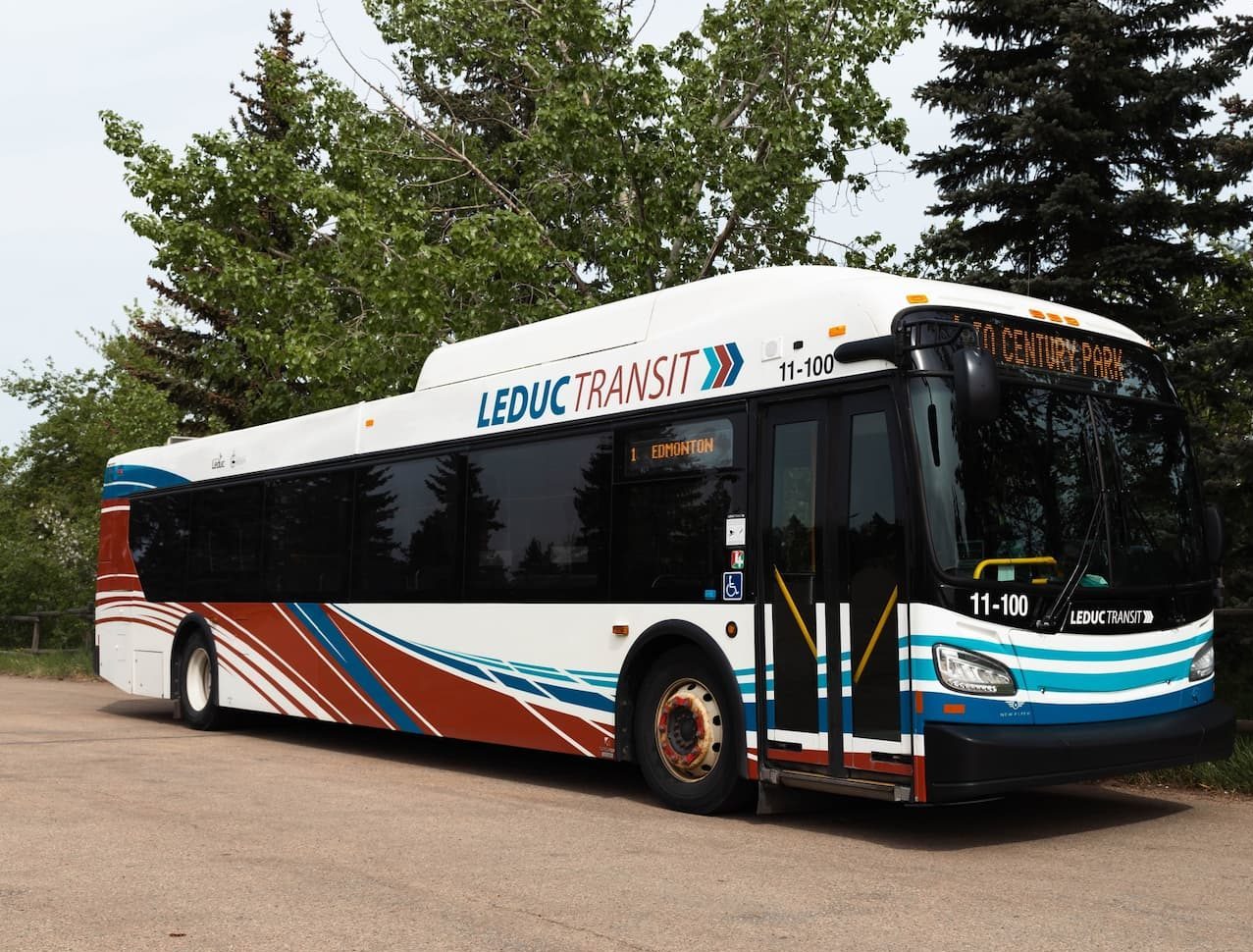
    Leduc transit reflecting the city’s strong commuting pattern

    Private mortgage versus bank mortgage: the timeline

    When time matters, the difference between a bank and a private lender can be significant.

    StageTraditional bankPrivate mortgage
    Initial reviewSeveral business daysOften same day or next business day
    Income verificationDetailed and standardizedMore flexible documentation
    Property valuationUsually requiredUsually required, with urgency options
    UnderwritingMultiple approval layersMore direct, equity-focused review
    FundingOften several weeksSometimes days after conditions are satisfied

    These are general timelines, not guarantees. Legal work, appraisal availability, title problems, missing documents, and lender conditions can affect any transaction.

    The benefit of private lending is usually speed and flexibility, not a low interest rate.

    What does a private mortgage cost?

    Private mortgage rates and fees are generally higher than bank rates. You may also have lender fees, broker fees, legal costs, appraisal fees, and discharge or renewal costs.

    Before committing, ask for a written estimate showing:

    • Interest rate and payment structure
    • Total loan amount
    • All lender and broker fees
    • Legal and appraisal costs
    • Net funds available to you
    • Term and maturity date
    • Prepayment or discharge conditions
    • What happens if you need more time
    • Your planned exit strategy

    At NOW Mortgage, we provide upfront cost estimates, including applicable fees, before you commit. You should know what the financing is expected to cost, not just what the advertised rate looks like.

    No credit check required to get started

    You do not need perfect credit to explore your options. With NOW Mortgage, no credit check is required to get started and see what may be possible.

    That is not the same as guaranteed approval. The property, equity, income, loan purpose, title, and repayment plan still matter. It simply means a past credit problem does not automatically end the conversation.

    You can begin with the NOW Mortgage financing estimator to review potential options without obligation.

    The most important part: your exit strategy

    A private mortgage should solve a defined problem for a defined period.

    Your exit strategy might include:

    • Refinancing with a bank after repairing credit
    • Moving to a B lender after documenting income
    • Paying down consumer debt and improving debt ratios
    • Selling another property
    • Selling the current home
    • Completing a separation or estate settlement
    • Stabilizing employment after a layoff
    • Completing renovations that improve marketability or value

    If your income is tied to oilfield services, aviation, or contract work, build in some breathing room. A plan that only works if every overtime shift arrives on schedule is not much of a plan.

    Leduc’s grain elevator representing the surrounding agricultural region

    What about seniors in Leduc?

    For older homeowners, a reverse mortgage may be worth considering when monthly income is limited but home equity is substantial.

    A reverse mortgage in Edmonton or Leduc can sometimes help with:

    • Paying off an existing mortgage
    • Consolidating high-interest debt
    • Funding home repairs
    • Creating retirement cash flow
    • Staying in the home longer

    Reverse mortgages have their own costs and reduce available equity over time. You remain responsible for property taxes, insurance, maintenance, and occupancy requirements. Review the long-term impact with your family and an independent professional before proceeding.

    Leduc private mortgage FAQ

    Can I qualify with bad credit?

    Possibly. Private lending is more equity-focused than bank lending, so a low credit score, collections, or a past consumer proposal may not automatically disqualify you. Recent defaults and limited equity can still affect the available terms.

    Is a private mortgage the same as a second mortgage?

    No. A private mortgage can be a first or second mortgage. A second mortgage sits behind an existing first mortgage and is often used for debt consolidation, renovations, or urgent funding.

    I searched for a bad credit mortgage in Calgary. Can I apply from Leduc?

    The location is different, but the core review is similar. Private lenders serving Alberta may consider property value, equity, income documentation, and repayment plans in both Calgary and Leduc. The property’s location and type will still affect the terms.

    Can a private mortgage help if my bank declined a debt consolidation mortgage in Edmonton?

    It may. Leduc is part of the broader Edmonton commuter and employment region, and many homeowners search for debt consolidation mortgage Edmonton options even when they live outside Edmonton proper. The available amount depends mainly on your equity and existing secured debt.

    Can I pay off the mortgage early?

    Possibly, but the commitment should explain prepayment, discharge, and administration costs. Always ask before signing.

    Should I use a private mortgage long term?

    Usually, no. Private financing is generally best viewed as a short-term bridge with a clear plan to refinance, repay, or sell.

    Start with a clear answer, not a hard sell

    If a bank has declined your Leduc mortgage application, that does not automatically mean you need to sell your home. It may mean the standard lending model does not fit your current income, timing, credit history, or life circumstances.

    NOW Mortgage provides fast approvals, flexible lending criteria, transparent cost estimates, and financing options based on real-world situations. We can review first mortgages, second mortgages, debt consolidation, divorce and separation buyouts, estate settlements, acreage financing, and reverse mortgage options.

    NOW Mortgage supporting Alberta homeowners with flexible financing options

    Start a confidential application with NOW Mortgage or learn more about what a private mortgage is. You can also call 587-200-6727 or email lending@nowmtg.ca.

    This article is general information only and is not legal, tax, or financial advice. Private mortgages cost more than traditional bank financing and should be reviewed alongside a realistic repayment or refinance plan.

  • Second Mortgages in Lloydminster vs. Calgary: Does Location Change Your Rate?

    Second Mortgages in Lloydminster vs. Calgary: Does Location Change Your Rate?

    If you own a home in Lloydminster, you may assume a second mortgage rate is automatically higher than what a Calgary homeowner would receive.

    That is not quite how pricing works.

    Your property and your overall file usually matter more than the city on the mailing address. However, Lloydminster’s Alberta–Saskatchewan border can create real differences in lender availability, documentation, legal work, fees, and timelines.

    Here is what local homeowners should know before comparing a second mortgage Calgary quote with financing on either side of Lloydminster.

    Lloydminster is one community with two provincial realities

    Lloydminster is a Border City of roughly 32,000 people, connected by one economy and one community: but positioned across Alberta and Saskatchewan.

    Its economy is shaped by oil and gas, agriculture, retail, oilfield services, and skilled trades. The surrounding area includes farmland and nearby communities such as Kitscoty, Marwayne, and Paradise Valley.

    The housing stock is also mixed:

    • Older detached bungalows
    • Newer suburban homes
    • Townhomes and condos
    • Revenue properties
    • Acreages and rural residential properties
    • Agricultural land and properties with outbuildings

    For background, the City of Lloydminster’s housing needs assessment and 2021 Census information provide useful local context.

    The key point for mortgage purposes is simple: the property itself sits in either Alberta or Saskatchewan. That determines which provincial land title system, legal process, and lender requirements apply.

    Does the border change your second mortgage rate?

    Sometimes: but usually indirectly.

    A lender is not pricing the loan simply because the home is in Lloydminster. Instead, the lender is assessing the risk of advancing money behind the first mortgage.

    The main pricing drivers are:

    • Loan-to-value ratio (LTV)
    • Combined loan-to-value ratio (CLTV)
    • Property type and condition
    • Appraised value and resaleability
    • Existing first mortgage balance and interest rate
    • Borrower income, credit, and payment history
    • Reason for borrowing
    • Quality of the exit strategy

    A detached home in an established Lloydminster neighbourhood with a conservative mortgage balance may receive stronger pricing than a higher-value Calgary property with complicated title, weak income documentation, or a high debt load.

    In other words, location is one piece of the file: not the whole file.

    Alberta side versus Saskatchewan side

    The side of the border does matter in practical terms.

    An Alberta-side property is generally financed and registered through Alberta’s systems. A Saskatchewan-side property is handled through Saskatchewan’s systems. Lenders and lawyers must use the correct provincial title and enforcement procedures.

    That can affect:

    • Which lenders are willing to fund the property
    • Legal and registration requirements
    • Appraisal and underwriting timelines
    • Fee structures
    • Available loan-to-value limits
    • The lender’s comfort with the property type

    The Saskatchewan-side lender pool may be narrower for some private mortgage scenarios, particularly where the property is rural, has unusual improvements, or requires more complicated documentation.

    That does not mean every Saskatchewan-side borrower pays more. It means there may be fewer available options, which can affect competition and speed.

    For any question involving title, provincial jurisdiction, tax treatment, or enforcement, consult a qualified lawyer. This article is general information, not legal or tax advice.

    Well-kept detached home representing Lloydminster’s mixed residential housing stock

    Why affordable homes can still create expensive loans

    Lloydminster homes can be more affordable than many Calgary properties. That is helpful when buying: but it can create a different challenge when borrowing against equity.

    Suppose two homeowners each have a property at 75% CLTV:

    • A $340,000 Lloydminster property supports total secured debt of up to $255,000.
    • A $450,000 Calgary property supports total secured debt of up to $337,500.

    The Calgary owner has more room in absolute dollars, even though both properties are leveraged to the same percentage.

    There is another issue: many mortgage costs do not shrink in proportion to the loan size. Appraisal, legal, registration, administration, and lender fees can make up a larger percentage of a smaller second mortgage.

    That is the practical “fee floor” problem. A $4,000 cost on a $35,000 loan has a much bigger impact than the same cost on a $75,000 loan.

    Side-by-side comparison

    FactorLloydminster, AlbertaLloydminster, SaskatchewanCalgary
    Example property value$340,000$340,000$450,000
    Typical housing contextDetached homes, newer subdivisions, rural properties nearbyDetached homes, mixed neighbourhoods, rural properties nearbyDetached homes, condos, townhomes, infill and higher-value properties
    Local income profileOilfield services, trades, agriculture, retailOilfield services, trades, agriculture, retailProfessional, construction, energy, business and service sectors
    Provincial title systemAlbertaSaskatchewanAlberta
    Example first mortgage$220,000$210,000$300,000
    Example second mortgage$35,000$45,000$37,500
    Combined LTV75%75%75%
    Illustrative second rate11.50%12.25%10.75%
    Approx. interest-only payment$335/month$459/month$336/month

    These rates are illustrative examples only, not quotes. Actual pricing can be higher or lower depending on the full application, lender, property, term, fees, and exit plan.

    Notice what the table shows: the Calgary borrower does not automatically receive a better rate because Calgary is a larger market. The lower illustrative rate reflects a combination of property value, liquidity, lender appetite, and file strength.

    A strong Lloydminster file can be priced competitively. A complicated Calgary file can be priced more aggressively.

    Worked example: keep the first mortgage or refinance?

    Imagine an Alberta-side Lloydminster homeowner with:

    • Home value: $340,000
    • First mortgage balance: $220,000
    • Existing first-mortgage rate: 3.24%
    • New funds required: $35,000
    • Estimated second-mortgage rate: 11.50%
    • Total debt after second mortgage: $255,000
    • Combined LTV: 75%

    Using a simple interest-only illustration:

    • Existing first-mortgage interest: about $594 per month
    • Second-mortgage interest: about $335 per month
    • Combined interest cost: about $929 per month

    Now compare that with refinancing the entire $255,000 at an illustrative rate of 6.20%. The interest-only equivalent would be about $1,318 per month, before considering penalties, legal costs, or payment structure.

    In this example, keeping the low-rate first mortgage and adding a smaller second mortgage may preserve more value.

    It can make sense when:

    • The first mortgage rate is significantly below current rates
    • The amount needed is relatively small
    • Breaking the first mortgage would trigger a substantial penalty
    • The borrower has a clear plan to repay or refinance the second
    • The combined LTV remains reasonable

    The comparison changes if the first mortgage is already expensive, the second loan is large, or the borrower needs a long-term solution. A full refinance may then be cleaner and less costly.

    When a second mortgage is the wrong move

    A second mortgage is not free money. It is secured debt, and the payment still needs to fit your real budget.

    It may be the wrong move if:

    • You have no realistic repayment or refinance plan
    • The new loan only delays an unavoidable cash-flow problem
    • The combined LTV leaves too little equity cushion
    • The property’s appraised value is uncertain
    • Fees consume too much of the advance
    • You are using short-term financing for a permanent problem
    • Selling or downsizing would be safer
    • The payment depends on highly optimistic oilfield, business, or investment income

    The right question is not simply, “What rate can I get?”

    It is: “What does this loan solve, and how do I exit it?”

    Local situations where a second mortgage may help

    Lloydminster homeowners may consider a second mortgage for:

    • Debt consolidation
    • A temporary income disruption
    • Business or oilfield equipment needs
    • A property renovation
    • An estate settlement
    • A mortgage for divorce settlement
    • Agricultural or acreage-related expenses
    • A bridge to traditional refinancing

    For farmland, raw land, or agricultural property, the file is assessed differently from a standard city home. NOW Mortgage’s agricultural financing information explains why land use, location, and property characteristics matter.

    The same equity-based approach may also help someone searching for a private mortgage Edmonton, private mortgage Calgary, or bad credit mortgage Calgary solution. A homeowner’s situation does not need to fit a perfect bank template to deserve a clear review.

    For high-interest unsecured debt, a debt consolidation mortgage Edmonton strategy may reduce monthly interest. For seniors, a reverse mortgage Edmonton discussion may be more appropriate than a conventional second mortgage.

    Lloydminster second mortgage FAQ

    Is a second mortgage more expensive on the Saskatchewan side?

    Not automatically. Pricing depends on the property, equity, borrower profile, and lender. However, a smaller lender pool or more complicated registration process can affect the available terms and total costs.

    Can I use a second mortgage for debt consolidation?

    Possibly. The lender will look at your equity, total debt, income or repayment plan, and the purpose of the funds. Consolidation only helps if the new payment and spending plan are manageable.

    Does bad credit automatically disqualify me?

    No. Private lenders and other alternative lenders may focus more heavily on property value and equity than a traditional bank. Credit still matters, but it may not be the only deciding factor.

    What if my home is near the provincial border?

    Confirm which province the actual parcel is located in. A lawyer and lender familiar with Lloydminster can help verify the applicable title and registration process. Do not rely only on a mailing address.

    How fast can a second mortgage close?

    Timelines vary. Straightforward residential files may move quickly, while Saskatchewan-side properties, rural homes, agricultural land, title issues, or unusual improvements can require more time.

    The bottom line for Lloydminster homeowners

    Your Lloydminster address does not automatically determine your second mortgage rate.

    Equity, CLTV, property type, appraisal quality, first-mortgage terms, borrower circumstances, and exit strategy usually matter more. The Alberta–Saskatchewan border still matters because it can change the lender pool, documentation, legal process, and timeline.

    Before choosing between a second mortgage and a full refinance, compare:

    • The cost of breaking your first mortgage
    • The rate and fees on the second mortgage
    • Your total combined monthly payment
    • The property’s realistic market value
    • Your repayment or refinance plan

    NOW Mortgage provides clear mortgage options for Alberta homeowners, with transparent cost estimates before commitment and no credit check required to start reviewing your options. Begin a confidential application or contact the team to discuss your Lloydminster property and goals.