Tag: Crossfield

  • Private Mortgages in Crossfield: What Locals Need to Know When the Bank Says No

    Private Mortgages in Crossfield: What Locals Need to Know When the Bank Says No

    If you are researching a crossfield private mortgage, here is what matters most before you apply.

    Crossfield Private Mortgage at a Glance

    • Used when a bank has declined a mortgage, refinance, or renewal application
    • Approval is based mainly on property value and available equity, not credit score alone
    • Funding can often be arranged in days rather than weeks
    • Common uses include divorce buyouts, debt consolidation, and bridging a home sale
    • Rates and fees are higher than a bank mortgage, so a clear exit plan matters

    Crossfield Private Mortgage: What to Know

    Crossfield is not Calgary with a smaller mailing address.

    It is a town of roughly 3,500 people, about 30 minutes north of Calgary on Highway 2A between Airdrie and Carstairs. The community is surrounded by cropland, ranch land, and acreages across Rocky View County and nearby Mountain View County.

    That local character matters when a bank declines your mortgage application.

    A bank may be comfortable with a standard Calgary home but hesitate over a smaller-market property, an acreage with a private well, or income that comes from farming and fluctuates from year to year. That does not always mean the property has no value. It may simply mean the file does not fit the bank’s box.

    A private mortgage in Crossfield can provide a short-term bridge when the property has equity but your credit, income, property type, or timeline creates a problem.

    Why banks sometimes say no in Crossfield

    Crossfield has a mix of older modest homes, limited newer development, and surrounding country residential properties. Local home values are generally lower than Calgary metro prices, which can be helpful for buyers but may create a thinner equity position for homeowners seeking financing.

    Common friction points include:

    • Small-market resale concerns: A bank may view a Crossfield property as less liquid than a comparable Calgary home.
    • Older in-town housing stock: Older homes may require repairs, have unusual layouts, or produce fewer recent comparable sales.
    • Acreage complications: Wells, septic systems, outbuildings, access roads, zoning, and land size all affect valuation.
    • Agricultural income: Farm income can fluctuate and may be difficult to document using standard employment rules.
    • Commuter income: Many residents work in Airdrie, Calgary, or industrial areas along the QE2 corridor, creating complex income and travel-cost profiles.
    • Thin equity: A lower-value home may not support a large loan once the existing mortgage and closing costs are deducted.

    A bank decline is frustrating. It is not automatically the end of the conversation.

    What a private mortgage looks at instead

    A private lender is primarily concerned with the property’s value, available equity, loan-to-value ratio, and exit strategy.

    Credit and income still matter, but they are not always the deciding factors.

    At NOW Mortgage, you can start with no credit check required. We first review your property, current mortgage balance, objective, and timeline. If the file appears workable, we explain the likely structure before moving ahead.

    Depending on the property type, a private mortgage may offer up to 75% loan-to-value. The actual amount depends on:

    • Current market value
    • Property condition
    • Existing mortgage and secured debts
    • Town, acreage, or agricultural location
    • Road access and servicing
    • Well and septic documentation
    • Outbuildings and other improvements
    • Likely resale market
    • Your repayment or refinancing plan

    A Crossfield town home with good comparables may be treated differently from a rural acreage near the county boundary. That is not a judgment about the property. It is a practical assessment of how quickly the property could be sold if needed.

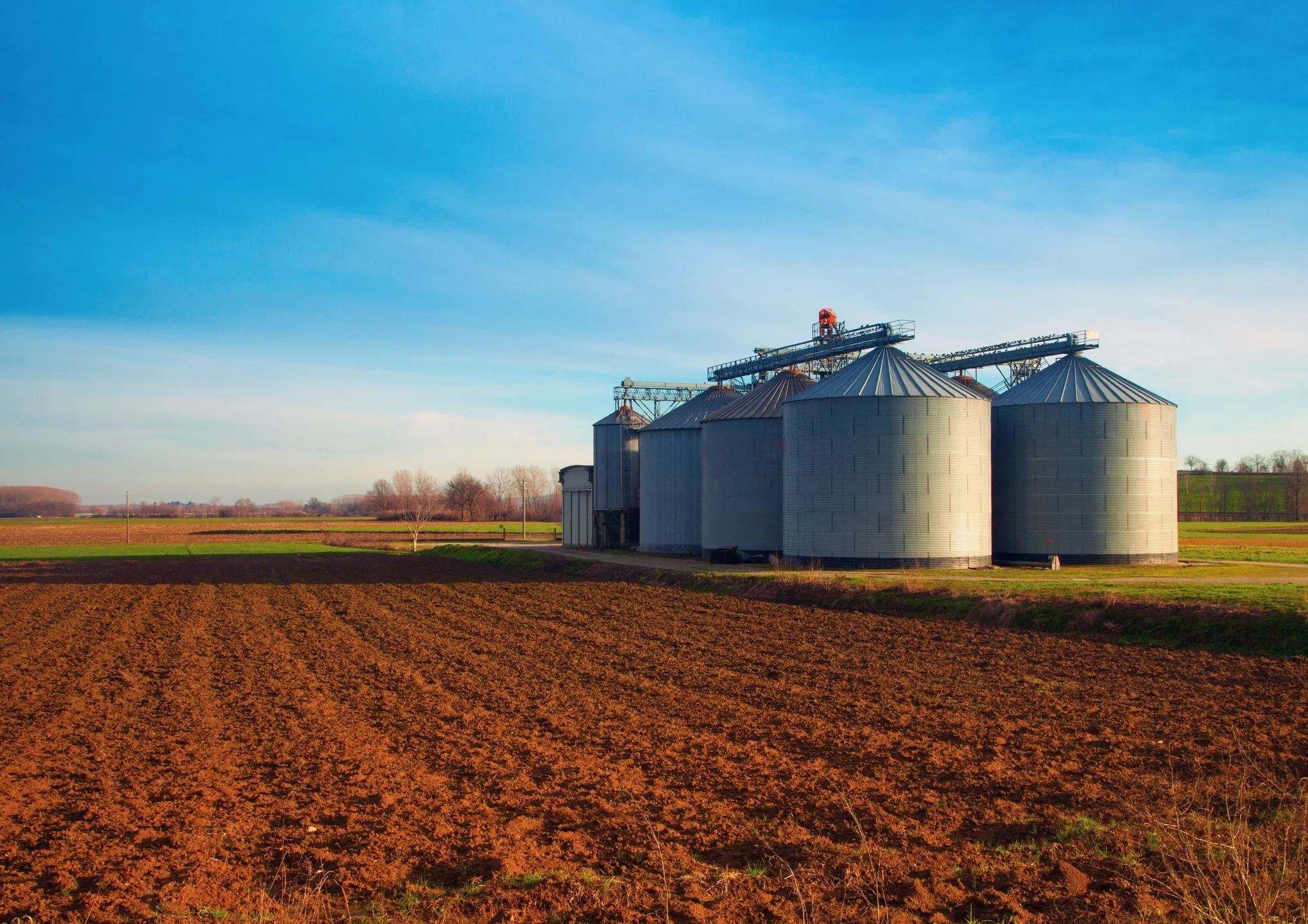
    A rural Alberta property illustrating acreage and agricultural financing considerations

    Private mortgage uses for Crossfield homeowners

    Debt consolidation

    High-interest credit cards, personal loans, tax arrears, and collection accounts can create a monthly payment pile-up.

    A debt consolidation mortgage can use home equity to pay out some or all of those debts. The goal is not simply to borrow more. It is to create manageable cash flow and a realistic route back to conventional financing.

    For homeowners comparing a home equity loan in Alberta, the important question is the net benefit after all interest and closing costs: not just the approved amount.

    Divorce and separation buyouts

    A separation can create a deadline that does not care whether the bank has finished reviewing your tax returns.

    One spouse may need to buy out the other, refinance existing debt, or pay an equalization amount while the property is being retained or sold. A mortgage for a divorce settlement can provide temporary funding while income, support arrangements, or credit are being reorganized.

    Estate and probate settlements

    Estate properties sometimes have mortgages, tax balances, repairs, or multiple beneficiaries that need to be resolved before a sale or transfer.

    A private mortgage may help fund estate obligations, preserve the property during probate, or provide time to complete an orderly sale rather than accepting a rushed offer.

    Agricultural financing

    Around Crossfield, Rocky View County, and Mountain View County, agricultural properties can include cultivated land, ranch land, farmsteads, and country residential acreages.

    A conventional lender may struggle with:

    • Fluctuating farm income
    • Crop or livestock cycles
    • Land and building values
    • Mixed residential and agricultural use
    • Multiple parcels or outbuildings
    • Tight purchase or refinance deadlines

    Agricultural financing in Alberta is highly property-specific. A lender will need to understand the land, improvements, access, zoning, and the intended repayment plan. Farming files may also require more documentation: NOW Mortgage notes that commercial and farming applications commonly involve up to 12 months of bank statements.

    Acreage lending: wells, septic, and outbuildings matter

    Acreage financing is not just about the house.

    A private well should have reliable information about water quality, yield, and servicing. Septic systems, access roads, shops, barns, and other outbuildings can affect both value and marketability.

    For a rural property near Crossfield, useful documents may include:

    • Recent appraisal from an appraiser familiar with rural properties
    • Well report and water testing
    • Septic records or inspection information
    • Property tax details
    • Title and legal description
    • Insurance confirmation
    • Details about outbuildings and improvements
    • Farm or business bank statements, where applicable

    Properties in Rocky View County and Mountain View County may also have different zoning and land-use considerations. The Rocky View County land-use resources and Mountain View County agricultural services are useful starting points for property-specific questions.

    Reverse mortgages for Crossfield seniors

    Some long-time Crossfield homeowners have significant equity but reduced retirement income. They may own an older in-town home outright or carry only a small mortgage.

    A reverse mortgage can potentially unlock equity without requiring regular mortgage payments, subject to qualification and property review. The funds may be used for:

    • Retirement income
    • Home repairs or accessibility upgrades
    • Debt repayment
    • Helping family
    • An emergency reserve

    NOW Mortgage’s reverse mortgage estimator provides an initial estimate. Reverse mortgage borrowers must continue paying property taxes, insurance, and basic maintenance, and the balance generally grows over time.

    If you are searching for a reverse mortgage Edmonton solution but live in Crossfield, the same general conversation applies: home value, age, existing debt, and the purpose of the funds all matter.

    Bank vs. private lender: how long does each take?

    A bank may offer the lowest rate, but standard underwriting can take longer when the property or income is unusual.

    StageTraditional bankPrivate mortgage
    Initial reviewSeveral business days to 2 weeksOften same day
    Income and credit underwriting1–3 weeks or longerEquity and property review begins immediately
    AppraisalOften requiredTypically 2–5 business days
    Final approval1–3 weeks after documentsOften 1–3 business days after a complete file
    Legal and funding1–3 weeksCommonly 1–3 weeks, depending on conditions
    Overall timingOften 3–8 weeksSometimes 7–14 days

    These are typical ranges, not promises. A complicated acreage, missing well documentation, title issue, court deadline, or difficult appraisal can extend either timeline.

    The NOW Mortgage process explains each step, including the appraisal, commitment letter, lawyer instructions, and funding.

    The rate is higher: so the exit plan matters

    Private lending is usually more expensive than a bank mortgage. The higher rate reflects the speed, flexibility, and additional property or repayment risk.

    It should normally be treated as a short-term bridge, not a permanent mortgage.

    Before committing, ask:

    • What will improve before renewal?
    • Can credit utilization be reduced?
    • Will a consumer proposal, judgment, or tax balance be resolved?
    • Can farm income become easier to document?
    • Will the property be repaired or sold?
    • Can a bank or B lender refinance the mortgage later?
    • What will the total payout and renewal costs be?

    NOW Mortgage provides upfront cost estimates, including fees, before you commit. That matters in Crossfield, where a modest property value can mean a modest available loan amount.

    There is no universal minimum loan size, but a private mortgage for only a few thousand dollars may not make sense after appraisal, legal, lender, broker, and discharge costs. The practical floor is the point where the net proceeds meaningfully solve the problem.

    How much equity do you need?

    The calculation is straightforward:

    Estimated property value × maximum LTV − existing mortgage balance − costs = approximate available equity

    For example, if a property is valued at $400,000 and the approved LTV is 70%, the gross mortgage limit would be $280,000. Existing mortgages and closing costs must come out of that amount.

    The final number can be lower on an acreage or agricultural property because rural resaleability, servicing, and appraisal uncertainty may require more conservative lending.

    Crossfield private mortgage FAQ

    Can I get a private mortgage in Crossfield with bad credit?+

    Possibly. A bad credit mortgage in Calgary is often assessed through an equity-based approach, and the same applies to Crossfield files. Missed payments, collections, bankruptcy, consumer proposals, or judgments do not automatically mean no approval.

    Can I get a second mortgage on a Crossfield home?+

    A second mortgage in Calgary or Crossfield can sometimes provide equity without replacing the first mortgage. The combined loan-to-value, property value, first mortgage balance, and monthly carrying costs all matter.

    Do I need perfect income documentation?+

    No. Private lending may consider self-employed, commission-based, agricultural, seasonal, or fluctuating income. You should still expect questions and supporting documents. Flexibility does not mean no review.

    Can I start without a credit check?+

    Yes. No credit check is required to get started with an initial conversation and property review. Credit may be reviewed later with authorization as part of the completed application.

    Is this similar to a private mortgage in Calgary or Edmonton?+

    The broad equity-based approach is similar to a private mortgage Calgary or private mortgage Edmonton file. However, Crossfield’s smaller market, commuter profile, town housing, and nearby acreage properties can affect valuation and pricing.

    How do I apply?+

    You can start the secure application or contact NOW Mortgage to discuss the property and objective first. The initial conversation is designed to establish whether a private mortgage is realistic before you spend money on an appraisal.

    A bank saying no is a problem to solve; not a reason to guess. For Crossfield homeowners, the right solution starts with the property, the numbers, and a clear path back to lower-cost financing.

    Homeowners discussing mortgage options with a professional advisor

    A comfortable home interior representing a fresh financial start

  • Second Mortgages in Crossfield vs. Calgary: Does Location Change Your Rate?

    Second Mortgages in Crossfield vs. Calgary: Does Location Change Your Rate?

    If you are researching a crossfield second mortgage, here is what matters most before you apply.

    Crossfield Second Mortgage at a Glance

    • Lets you access home equity without touching your existing low-rate first mortgage
    • Approval depends on combined loan-to-value, property type, and your exit strategy
    • Property type and location can affect your rate as much as your credit profile
    • Funding is typically faster than refinancing through a bank
    • Best suited to short- to medium-term needs with a clear repayment plan

    Crossfield Second Mortgage: What to Know

    Crossfield sits about 30 minutes north of Calgary on Highway 2A, between Airdrie and Carstairs. With roughly 3,500 residents, older in-town homes, limited newer development, surrounding farmland, and plenty of commuters heading toward Calgary or Airdrie, it is not the same lending market as Calgary.

    But does that automatically mean a higher second mortgage rate?

    Not necessarily. The town boundary does not set your rate. What matters is how a lender views your specific property, its resaleability, your combined loan-to-value, and your plan for repaying the loan.

    That distinction matters whether you own a modest Crossfield home, a $550,000 acreage, or a suburban Calgary property.

    The short answer: location matters indirectly

    A lender usually looks at:

    • The property’s appraised value
    • Your combined loan-to-value (LTV)
    • The first mortgage balance and rate
    • Property type and condition
    • How easy the property would be to resell
    • Your credit, income, and overall situation
    • Your exit strategy

    A standard detached home in Calgary may have plenty of recent comparable sales. An acreage outside Crossfield may involve well water, septic, outbuildings, agricultural land, and fewer directly comparable properties.

    That does not make the acreage impossible to finance. It does mean the lender may use a more conservative value, cap the LTV lower, or charge more for the additional risk.

    What is a second mortgage?

    A second mortgage is financing registered behind your existing first mortgage. Your original mortgage stays in place, including its current interest rate and term.

    This can be useful if you have a low-rate first mortgage that you do not want to break.

    For example, refinancing a $300,000 first mortgage to access $50,000 could mean:

    • Paying a prepayment penalty
    • Replacing your low-rate mortgage
    • Requalifying under today’s income and stress-test rules
    • Paying a higher rate on the entire balance

    A second mortgage may allow you to borrow only the amount you need while leaving the first mortgage untouched.

    The trade-off is that the second mortgage usually has a higher rate because the second lender is repaid after the first lender if the property is sold.

    Crossfield property type can matter more than the town name

    Single-family Alberta home illustrating residential second mortgage and home equity financing

    Crossfield has a mix of older modest homes, newer pockets, townhouses, and surrounding rural properties. Those are not interchangeable from a lender’s perspective.

    A Crossfield in-town home

    An established home on a normal town lot is often easier to compare with nearby sales. The lender can usually assess:

    • Recent comparable sales
    • Lot size and condition
    • Renovations and deferred maintenance
    • Local buyer demand
    • Whether the property is owner-occupied or tenanted

    A lower-value property may have a straightforward appraisal, but it also creates a practical borrowing limit. There is simply less equity available, and fixed lender, appraisal, brokerage, and legal costs take up a larger percentage of a smaller loan.

    A Crossfield acreage

    An acreage or farm property around Crossfield can require more detailed analysis.

    The appraisal may need to separate:

    • The value of the residence
    • The land itself
    • Shops, barns, and other outbuildings
    • Well and septic systems
    • Access roads and servicing
    • Agricultural or residential use
    • The likely pool of future buyers

    A lender may not give full dollar-for-dollar credit for every acre or outbuilding. A property can be worth $550,000 to an owner who uses the land productively, while a lender may focus on what could realistically be recovered through a resale.

    For larger agricultural properties, agricultural financing Alberta solutions may be more appropriate than treating the property like a standard urban home.

    A Calgary suburban home

    A typical Calgary suburban property often benefits from deeper market activity and more comparable sales. That can make the appraisal easier and give lenders more confidence in resaleability.

    However, a Calgary property with a high combined LTV, major deferred maintenance, a tenant issue, or a complicated title can still receive less favourable terms than a well-maintained Crossfield home.

    City versus town is only one part of the file.

    Side-by-side comparison

    The figures below are illustrative examples, not rate quotes or approvals.

    ExampleProperty valueFirst mortgageIllustrative second mortgageApprox. combined LTVWhat may affect pricing
    Crossfield acreage$550,000$300,000$50,00063.6%Well/septic, outbuildings, land valuation, thinner resale market
    Calgary suburban home$450,000$300,000$40,00075.6%Higher LTV, but more comparable sales and deeper buyer demand
    Crossfield in-town home$300,000$190,000$30,00073.3%Smaller loan size, limited borrowing room, fixed fees taking a larger share

    Notice what this table shows: the Calgary property is in a bigger market, but its higher combined LTV may still make it riskier than the Crossfield acreage.

    Worked example: the rate is not the whole cost

    Suppose a Crossfield homeowner owns an acreage appraised at $550,000 and owes $300,000 on the first mortgage.

    If a lender is comfortable at a maximum combined LTV of 70%, the calculation is:

    • 70% of $550,000 = $385,000
    • Less the first mortgage of $300,000
    • Approximate gross second-mortgage room = $85,000

    The borrower may request $50,000. At an illustrative rate of 10.5% interest-only, the monthly interest would be approximately:

    • $50,000 × 10.5% ÷ 12
    • $437.50 per month

    Potential costs could include:

    • Lender fee at 2%: $1,000
    • Brokerage fee at 2%: $1,000
    • Appraisal: approximately $400–$600
    • Legal fees: approximately $1,000–$1,500

    That means the borrower might receive approximately $46,900–$47,600 net, depending on the final fees and how the mortgage is structured.

    The important point is that a quoted rate does not tell the whole story. Fees, appraisal value, LTV, and the amount you actually receive all matter.

    Why a $300,000 Crossfield home may have a practical floor

    Assume an in-town Crossfield home is worth $300,000 and has a $190,000 first mortgage.

    At a 75% combined LTV:

    • 75% of $300,000 = $225,000
    • Less the first mortgage of $190,000
    • Maximum gross room = $35,000

    A requested second mortgage of $30,000 might leave roughly $27,000–$28,000 after lender, brokerage, appraisal, and legal costs.

    That can still solve a pressing problem. But borrowing $20,000 or $25,000 may not make sense if the fixed costs consume too much of the advance.

    This is the practical floor many borrowers miss. A second mortgage should create a meaningful solution, not turn a small cash need into an expensive secured loan.

    When keeping your first mortgage makes sense

    A second mortgage may beat a refinance when:

    • Your first mortgage rate is significantly lower than current alternatives
    • You would face a large break penalty
    • You only need a short-term bridge
    • Your income is difficult for a bank to verify
    • Your credit has been affected by separation, illness, job loss, or high utilization
    • You need to close quickly
    • You have enough equity but do not pass a traditional bank’s qualification rules

    This is where private lenders Alberta homeowners work with can provide flexibility. NOW Mortgage starts with the property and the objective, not just a credit score.

    You can start with the private mortgage process without a credit check at the initial inquiry stage. Once you decide to proceed, credit and supporting documents may be reviewed as part of the complete application.

    When a second mortgage is the wrong move

    A second mortgage is not automatically the best answer.

    It may be the wrong move if:

    • You cannot afford the payment even after consolidating other debt
    • The loan is being used to cover an ongoing monthly shortfall
    • The fees consume too much of the amount you need
    • Your first mortgage is already coming up for renewal
    • A full refinance would be cheaper overall
    • You have no realistic repayment or refinance plan
    • A consumer proposal or formal debt advice would better address the situation

    Moving unsecured debt onto your home makes the debt secured. If the payments are not sustainable, speak with a Licensed Insolvency Trustee or credit counsellor before borrowing more.

    Crossfield FAQ

    Can I get a second mortgage in Crossfield if my bank says no?+

    Possibly. Private lending is often based more heavily on property equity, appraisal, LTV, and the lender’s view of resaleability. A bank decline does not automatically mean there is no option, but the terms must still make financial sense.

    Are second mortgage rates higher in Crossfield than Calgary?+

    Not automatically. A standard Calgary home may receive competitive pricing because it is easier to value and resell. However, a Calgary file at a high LTV can cost more than a lower-LTV Crossfield property. Acreages and unique rural properties may receive different terms because of appraisal and resale considerations.

    Can I use a Crossfield second mortgage for debt consolidation?+

    Yes, if the equity and repayment plan support it. A second mortgage can consolidate credit cards, personal loans, tax arrears, or other high-interest debt. Homeowners looking specifically for a debt consolidation mortgage Edmonton solution or a bad credit mortgage Calgary option face similar questions: how much equity is available, what caused the financial pressure, and what is the exit plan?

    Can a second mortgage help with divorce or an estate settlement?+

    It may. Home equity can sometimes fund a mortgage for divorce settlement, equalization payment, estate costs, or a buyout between beneficiaries. The property value, title, timing, and legal requirements all need to be reviewed carefully.

    What if I am a senior homeowner?+

    A second mortgage is not the only option. Depending on age, property type, and occupancy, a reverse mortgage may be worth comparing. NOW Mortgage also provides access to a CHIP reverse mortgage estimate. If you are considering a reverse mortgage Edmonton option or a rural Alberta property, ask for a side-by-side comparison rather than assuming one product is best.

    The bottom line for Crossfield homeowners

    Your location can influence your second mortgage terms, but not because Crossfield has a special “small-town rate.”

    The real questions are:

    • How much is the property worth today?
    • How easy would it be to resell?
    • Is it an in-town home, acreage, or agricultural property?
    • What is the combined LTV?
    • How strong is the first mortgage?
    • What will repay the second mortgage?

    A $550,000 Crossfield acreage, a $450,000 Calgary suburban home, and a $300,000 Crossfield in-town property may all receive different offers. The difference comes from the property and the risk: not simply the sign welcoming you into town.

    For a transparent estimate of available equity, costs, and potential structure, start an application with NOW Mortgage. You can also review options for a private mortgage or refinancing and debt consolidation before deciding whether a second mortgage is the right move.