Author: Jaden Shermack

  • Second Mortgages in Black Diamond & Turner Valley vs. Calgary: Does Location Change Your Rate?

    Second Mortgages in Black Diamond & Turner Valley vs. Calgary: Does Location Change Your Rate?

    If you are researching a black diamond & turner valley second mortgage, here is what matters most before you apply.

    Black Diamond & Turner Valley Second Mortgage at a Glance

    • Lets you access home equity without touching your existing low-rate first mortgage
    • Approval depends on combined loan-to-value, property type, and your exit strategy
    • Property type and location can affect your rate as much as your credit profile
    • Funding is typically faster than refinancing through a bank
    • Best suited to short- to medium-term needs with a clear repayment plan

    Black Diamond & Turner Valley Second Mortgage: What to Know

    If you own a home in Black Diamond or Turner Valley and need access to equity, you may wonder whether living outside Calgary automatically means a higher second mortgage rate.

    The honest answer: the town boundary matters less than the property sitting behind the loan.

    Black Diamond and Turner Valley, now combined as Diamond Valley, are neighbouring foothills communities roughly 45 minutes southwest of Calgary along Highway 22. They have historic main streets, strong local identities, oil and gas roots, arts and community culture, and a mix of older homes, newer construction, acreages, ranches, and country residential properties.

    That mix is precisely why second mortgage pricing can vary.

    A standard older home in town is one kind of security. A rural acreage with a private water system, septic field, detached shop, and several outbuildings is another. The address is only the beginning of the conversation.

    Well-kept Alberta detached home representing residential mortgage security

    The short answer: location influences the rate, but property risk does more

    A second mortgage Calgary lender is not simply charging one rate for Calgary and another for every town outside the city.

    Pricing usually reflects:

    • Loan-to-value and combined LTV
    • Property type and condition
    • Appraised value
    • Resaleability
    • Depth of the local buyer pool
    • Existing first mortgage balance
    • Your credit, income, and overall situation
    • The purpose of the loan
    • Your repayment or exit strategy

    Calgary has a deep and active housing market. Appraisers can usually find plenty of recent comparable sales, and lenders know there are many potential buyers if they ever need to sell the property.

    Black Diamond and Turner Valley have steady demand, especially from people commuting to Calgary or Okotoks and buyers looking for more space. But the market is thinner. A modest in-town property may still be very financeable, while a unique foothills acreage may take longer to sell and require a more conservative valuation.

    That difference can affect pricing.

    Black Diamond and Turner Valley are not the same as Calgary, on paper or in practice

    Calgary offers a broad range of suburban homes, condos, infills, and established neighbourhoods. The city also benefits from a larger pool of buyers and more frequent transactions.

    Diamond Valley has a different housing profile:

    • Older bungalows and detached homes on larger in-town lots
    • Limited newer development compared with Calgary
    • Townhouses and a smaller amount of condo inventory
    • Older homes with renovations that may not show up cleanly in comparable sales
    • Acreages, ranches, and country residential properties in surrounding Foothills County
    • Properties with wells, septic systems, shops, barns, and other improvements

    Home prices are generally lower than Calgary’s metro market, although individual properties vary widely. A lower purchase price does not automatically mean an easier second mortgage.

    In fact, a lower-valued home can create a practical problem: there may not be enough available equity left after fees to make a small second mortgage worthwhile.

    What actually determines your second mortgage rate?

    1. Loan-to-value and combined LTV

    The lender looks at the total debt registered against the property compared with its appraised value.

    For example:

    • Property value: $500,000
    • First mortgage: $300,000
    • Proposed second mortgage: $75,000
    • Total financing: $375,000
    • Combined LTV: 75%

    A 75% combined LTV may be viewed more favourably than an 85% combined LTV because there is a larger equity cushion.

    A lower LTV does not guarantee a specific rate, but it generally strengthens the file.

    2. Property type and condition

    A clean, well-maintained in-town bungalow with several recent comparable sales is easier to underwrite than a specialized rural property.

    For an acreage or ranch, the appraisal may need to separate:

    • Land value
    • Main residence
    • Detached garage or shop
    • Barns and other outbuildings
    • Fencing and agricultural improvements
    • Water source and septic system
    • Access, road quality, and zoning

    A large shop may be valuable to the right buyer, but it may not add its full construction cost to the appraised value. Rural improvements do not always translate dollar-for-dollar into mortgage security.

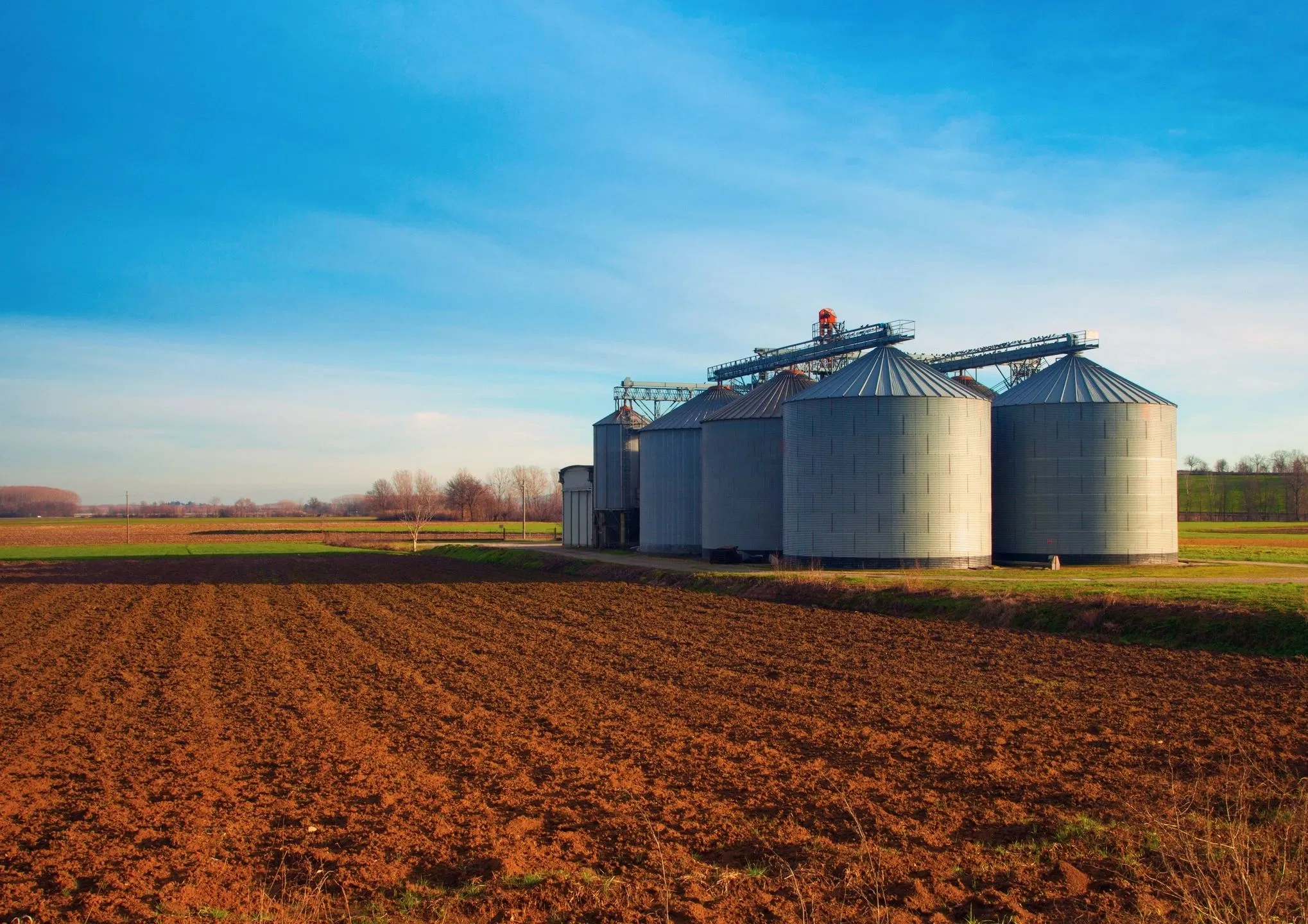
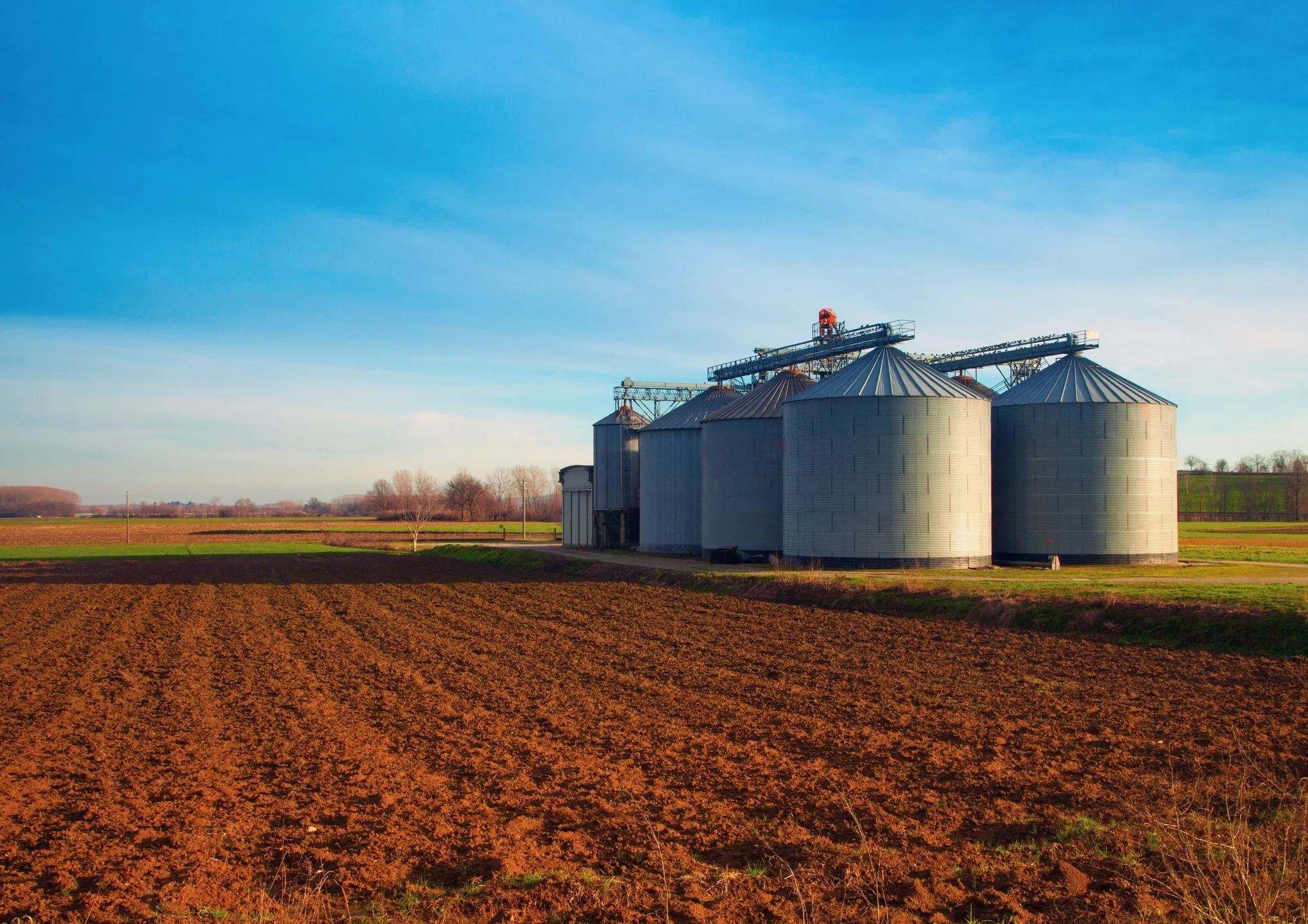
    Agricultural land and silos representing acreage and rural property financing

    3. Resaleability and market depth

    A typical home in Black Diamond or Turner Valley can be perfectly reasonable collateral. The question is how quickly it could be sold at a realistic price if the lender ever had to rely on the property.

    A standard three-bedroom home near local amenities generally has a broader buyer pool than:

    • A high-value estate acreage
    • A hobby farm with specialized buildings
    • A property with unusual zoning
    • A home requiring substantial repairs
    • A rural property with limited comparable sales

    This is why two homeowners living only a few kilometres apart can receive different pricing.

    4. Your first mortgage

    Your current first mortgage matters in two ways.

    First, the balance determines how much equity remains. Second, the interest rate and prepayment terms determine whether adding a second mortgage is smarter than refinancing everything.

    If you have a first mortgage at a low fixed rate, breaking it could trigger a significant penalty. Refinancing the entire balance into a new mortgage may also mean paying a higher rate on money you do not need to refinance.

    That is where a second mortgage can be useful: you leave the low-rate first mortgage alone and borrow only the additional amount required.

    Side-by-side: three Alberta borrowers

    The following examples are illustrative, not rate quotes. Actual approval depends on appraisal, lender policy, legal review, and the borrower’s complete file.

    BorrowerPropertyEstimated first mortgageRequested secondCombined financingMain pricing consideration
    Foothills acreage owner$700,000 acreage$350,000$75,000$425,000 / 61% LTVStrong equity, but rural appraisal and resaleability
    Calgary suburban owner$450,000 detached home$300,000$50,000$350,000 / 78% LTVDeeper market and easier comparables
    Black Diamond owner$310,000 older in-town home$190,000$35,000$225,000 / 73% LTVModerate LTV, but smaller loan and fee impact

    The acreage borrower may have the strongest equity position, but the property could still require more detailed underwriting.

    The Calgary homeowner may receive competitive pricing because the property is easy to compare and resell, even with a higher combined LTV.

    The Black Diamond homeowner may have a reasonable LTV, but the smaller requested amount can be affected more heavily by appraisal, legal, lender, and broker fees.

    Worked example: when keeping the first mortgage makes sense

    Suppose you own an older Black Diamond home worth $310,000.

    • Existing first mortgage: $190,000 at 2.89%
    • Credit card and personal debt to consolidate: $35,000
    • Proposed second mortgage: $35,000
    • Total financing: $225,000
    • Combined LTV: approximately 73%

    If you refinance the entire $190,000 first mortgage at a higher current rate, you could lose the benefit of your existing low rate and potentially face a prepayment penalty.

    A second mortgage allows you to preserve the first mortgage and borrow only the $35,000 required. The second mortgage rate will be higher, but the higher rate applies to the smaller amount, not the entire $225,000.

    That structure may make sense when:

    • Your first mortgage rate is significantly below current pricing
    • The refinance penalty is substantial
    • You need a defined amount of equity
    • You have a realistic plan to repay or refinance the second mortgage
    • The property has enough equity after all costs

    However, if the second mortgage amount is only $15,000 or $20,000, fees can consume too much of the benefit. The practical question is not only, “Can I borrow?” It is also, “Does the net amount justify the cost?”

    When a second mortgage is the wrong move

    A second mortgage is not a magic escape hatch. It may be the wrong solution if:

    • The payment is unaffordable even after debt consolidation
    • You have no clear repayment or refinance plan
    • The property value is uncertain
    • Your combined LTV would leave very little equity
    • The loan only delays an ongoing spending problem
    • Fees absorb a large percentage of the proceeds
    • Selling the property would solve the problem more safely
    • A conventional refinance, HELOC, or credit union product is available at a meaningfully lower cost

    A private mortgage should usually be treated as a bridge, not a permanent replacement for long-term financial planning.

    At NOW Mortgage, the conversation starts with the property, your objective, and the numbers. There is no credit check required to start exploring options, and costs should be explained before you commit.

    What local homeowners may use the funds for

    Second mortgage proceeds can sometimes support:

    • Debt consolidation
    • A time-sensitive repair
    • Tax or judgment repayment
    • A business or agricultural need
    • Estate settlement
    • A mortgage for divorce settlement
    • A separation-related buyout
    • A refinance while rebuilding credit

    For acreage owners, the need may involve equipment, land improvements, or working capital. That is different from a Calgary homeowner consolidating credit cards. Both may be possible, but the lender will assess the property and the exit strategy differently.

    For larger rural or farming properties, explore private farm financing in Alberta and agricultural financing options.

    How the process works

    A typical application includes:

    1. Initial conversation about your property and objective
    2. Equity and property review without a credit check to start
    3. Application and identification for all owners on title
    4. Independent appraisal arranged through the broker
    5. Lender review of the property, debt, and exit plan
    6. Commitment letter showing the approved amount, rate, term, and conditions
    7. Lawyer preparation and registration
    8. Funding to your account, creditors, or another agreed destination

    See the full private mortgage process before you apply.

    FAQ

    Does living in Black Diamond or Turner Valley automatically mean a higher rate than Calgary?+

    No. Location is one factor, but property type, combined LTV, appraisal quality, and resaleability usually matter more than the municipal boundary.

    Are acreages harder to finance than homes in town?+

    They can be. Wells, septic systems, outbuildings, zoning, access, and limited comparable sales may require more detailed underwriting. Strong equity can help, but rural properties are not valued exactly like suburban homes.

    Can I get a second mortgage with bad credit?+

    Possibly. A bad credit mortgage Calgary lender or private lender may focus more heavily on equity and the property than a traditional bank would. Credit events, income, and your repayment plan still matter.

    Can a second mortgage be used for debt consolidation?+

    Yes, in suitable cases. A home equity loan Alberta homeowners use to consolidate high-interest debts may reduce monthly pressure, but the debt becomes secured against the property. Budgeting still matters.

    What if I need a larger rural or agricultural loan?+

    Acreage and farm files may require additional documents, including more detailed financial information. NOW Mortgage also works with private lenders Alberta borrowers seeking agricultural financing.

    Do you only help clients in Calgary?+

    No. NOW Mortgage works with homeowners across Alberta, including Calgary, Edmonton, Diamond Valley, and surrounding rural communities. You can also explore a private mortgage Edmonton solution or debt consolidation mortgage Edmonton if your property is elsewhere.

    Is a reverse mortgage another option?+

    For qualifying older homeowners, a reverse mortgage may be worth comparing with a second mortgage. Review your options carefully, including the reverse mortgage estimator, before choosing a structure.

    The bottom line

    A second mortgage in Black Diamond or Turner Valley is not priced simply because the home is outside Calgary.

    The real question is how the specific property performs as collateral.

    A standard in-town home may compare well with Calgary property once its value, condition, and equity are assessed. An acreage or ranch can still be financeable, but wells, septic, outbuildings, land value, and a thinner buyer pool may affect the lender’s risk assessment.

    If you are considering a private mortgage Calgary homeowners use to access equity: or you own property in Diamond Valley and want a clear answer: start with the numbers. Compare the cost of a second mortgage with the cost of breaking your first mortgage, and make sure there is a realistic exit plan.

    Start your application with NOW Mortgage to review your options with transparent upfront pricing.

  • Private Mortgages in Black Diamond & Turner Valley: What Locals Need to Know When the Bank Says No

    Private Mortgages in Black Diamond & Turner Valley: What Locals Need to Know When the Bank Says No

    If you are researching a black diamond & turner valley private mortgage, here is what matters most before you apply.

    Black Diamond & Turner Valley Private Mortgage at a Glance

    • Used when a bank has declined a mortgage, refinance, or renewal application
    • Approval is based mainly on property value and available equity, not credit score alone
    • Funding can often be arranged in days rather than weeks
    • Common uses include divorce buyouts, debt consolidation, and bridging a home sale
    • Rates and fees are higher than a bank mortgage, so a clear exit plan matters

    Black Diamond & Turner Valley Private Mortgage: What to Know

    Black Diamond and Turner Valley are small, closely connected foothills communities with a character all their own.

    The two former towns are now officially part of the Town of Diamond Valley, but locals still know the difference. Black Diamond brings its historic main street and arts community. Turner Valley carries its oil and gas heritage, including the historic Turner Valley gas plant.

    Together, the communities are home to roughly 5,000 to 6,000 people, about 45 minutes southwest of Calgary via Highway 22. The local housing market includes older in-town homes, modest newer development, acreages, ranch properties, and country residential homes throughout nearby Foothills County.

    That small-town character is a major benefit, until a traditional lender decides the property or the borrower is too difficult to fit into its lending box.

    That is where a private mortgage in Black Diamond or Turner Valley can provide a short-term bridge.

    Why a Bank May Decline a Black Diamond or Turner Valley Homeowner

    A bank decline does not always mean the property has no value or that the borrower has no options.

    It may simply mean the application does not fit a standard lending model.

    Common friction points in the Diamond Valley area include:

    • Older homes that need repairs or do not meet a bank’s condition standards
    • Acreages with well and septic systems
    • Outbuildings, shops, barns, or other improvements that are difficult to value
    • Rural properties with limited comparable sales
    • Access, zoning, or servicing questions
    • Farm and agricultural income that is difficult to document through standard employment records
    • Lower property values that create thin available equity
    • Divorce, separation, estate, or probate issues that need to be resolved quickly
    • Long-time homeowners with substantial equity but reduced retirement income

    A traditional lender generally wants predictable income, standard property characteristics, and an uncomplicated application.

    Private lending looks more closely at the equity, property, marketability, and repayment plan.

    Representative Alberta home used to illustrate flexible mortgage options

    Small-Market Properties Need a More Practical Review

    Homes in Black Diamond and Turner Valley generally cost less than comparable homes in the Calgary metro area. That can make ownership more accessible, but it can also create a financing challenge.

    A lender is taking on a loan based partly on the property’s resale value. In a smaller market, there may be:

    • Fewer recent comparable sales
    • A smaller pool of potential buyers
    • Longer resale timelines
    • More variation between homes
    • Less certainty around the value of older improvements

    This does not automatically prevent financing. It means the appraisal and property review matter.

    For a standard in-town home with good condition, municipal services, and strong marketability, a lender may consider up to 75% loan-to-value, depending on the complete file.

    For an acreage, ranch property, or unusual rural home, the available LTV may be lower.

    Acreages, Ranches, Wells, and Septic Systems

    Foothills County includes many properties that are not simple city-style residential homes.

    An acreage may include a house, detached shop, barn, pasture, water well, septic field, private road, and agricultural improvements. Those features can be valuable to the right buyer, but they can also make a bank cautious.

    A private lender may review:

    • The quality and condition of the residence
    • Well records, water testing, or recent inspections
    • Septic condition and documentation
    • Legal and physical access
    • Zoning and permitted uses
    • The condition and value of outbuildings
    • Whether the property is residential, agricultural, or a combination
    • Recent comparable sales for similar rural properties

    The more unusual the property, the more important it is to use a lender familiar with agricultural financing in Alberta and foothills real estate.

    Acreage financing should not be based on the house alone. The complete property, and its likely resale audience, matters.

    What a Private Mortgage Can Help Solve

    A private mortgage is usually a short-term solution, not a replacement for a traditional mortgage forever.

    The goal should be to solve the immediate problem and create a realistic path to a lower-cost exit.

    Debt consolidation

    High-interest credit cards, tax arrears, unsecured loans, and creditor pressure can make monthly cash flow impossible.

    A private mortgage or second mortgage in Calgary and surrounding communities may allow a homeowner to consolidate urgent debts using available home equity. The monthly payment may become more manageable, although the mortgage carries a higher interest rate than a bank loan.

    The important question is not just, “Can I consolidate the debt?”

    It is, “What will prevent the debt from building up again, and when can I refinance?”

    Divorce and separation buyouts

    A separation often creates a deadline. One spouse may need to buy out the other, refinance the home, or settle debts before the property can be sold.

    A mortgage for a divorce settlement may be possible when the borrower has equity but cannot qualify through a bank because of temporary income disruption, support obligations, credit damage, or incomplete financial separation.

    Estate and probate settlements

    An estate may include a home, acreage, or farm property that cannot be transferred or sold immediately.

    A short-term mortgage can sometimes provide funds for:

    • Estate equalization
    • Probate-related expenses
    • Property taxes and urgent repairs
    • A beneficiary buyout
    • Carrying costs while a property is prepared for sale

    The exit may be the sale of the property, a conventional refinance, or a transfer to an approved family member.

    Agricultural and rural financing

    Farmers, ranchers, and acreage owners may have strong assets but irregular income.

    Seasonal income, livestock sales, equipment expenses, and incorporated or self-employed income can be difficult for a standard lender to assess. A private lender may focus more on the property’s equity and the proposed repayment plan.

    For agricultural financing in Alberta, expect the lender to ask detailed questions about the land, buildings, income-producing use, and intended loan purpose.

    Reverse mortgages for local seniors

    Some long-time Black Diamond and Turner Valley homeowners have considerable equity but limited employment or retirement income.

    A reverse mortgage may help eligible seniors access home equity without selling immediately. It can be used for home repairs, debt repayment, family support, or retirement cash flow.

    It is not the same as a standard private mortgage, and the costs and long-term effects should be reviewed carefully. Seniors can also explore a reverse mortgage estimator before deciding whether this type of financing fits.

    No Credit Check Required to Get Started

    At NOW Mortgage, a credit check is not required to get started and review potential options.

    That does not mean credit history is irrelevant. It means homeowners do not need to wait for a perfect credit profile before discussing the property and the problem.

    The initial review can focus on:

    • Property address and estimated value
    • Existing mortgage balances
    • Amount required
    • Reason for the financing
    • Income or carrying-cost information
    • Proposed exit strategy

    You should receive an upfront estimate of the expected costs, including lender fees, legal fees, appraisal costs, and other applicable charges, before committing.

    Transparency matters because a private mortgage with an attractive headline rate can become expensive when the complete fee structure is unclear.

    The LTV and Loan-Size Reality

    Private lenders may consider financing up to 75% LTV, depending on the property type, location, condition, and overall risk.

    For example:

    • A well-maintained in-town home may support a stronger LTV
    • An older home needing repairs may receive a more conservative valuation
    • An acreage with well, septic, and outbuildings may require additional equity
    • A ranch or unusual property may have fewer available lenders
    • A second mortgage depends on the existing first mortgage and the total combined LTV

    Black Diamond and Turner Valley homeowners should also be realistic about loan size.

    Because local property values are more modest than in many Calgary neighbourhoods, the available equity may produce a smaller dollar amount. Private lenders also have practical minimums because appraisals, legal work, underwriting, and administration cost money regardless of the loan amount.

    Ask for the net amount you will receive, not just the approved mortgage amount.

    Bank vs. Private Lender Timeline

    StageTraditional bankPrivate lender
    Initial reviewSeveral business days or longerOften same day or within a few days
    Credit and income reviewExtensive documentation and qualificationFlexible review focused on property, equity, and repayment
    Property reviewStandard appraisal and lender criteriaProperty-specific appraisal and marketability review
    ApprovalMay take weeks if the file is complexOften faster when documents are complete
    FundingCan be delayed by conditionsPotentially fast once legal requirements are satisfied
    Best fitStable income, strong credit, standard propertyTime-sensitive, equity-based, non-standard situations

    Fast funding is useful, but speed should not replace proper advice. Review the interest rate, fees, payment structure, term, renewal costs, and exit plan before signing.

    The Exit Strategy Comes First

    A private mortgage should have a defined end point.

    Your exit strategy may be:

    • Refinancing with a bank after credit improves
    • Refinancing through a credit union
    • Selling the home or acreage
    • Receiving proceeds from an estate
    • Completing a separation buyout
    • Paying down debt and qualifying through traditional underwriting
    • Increasing documented income or stabilizing self-employment records

    If there is no realistic exit, the loan may only postpone the problem.

    NOW Mortgage can review the immediate financing need and help map out the next step through the mortgage process, whether that means a short-term private mortgage, a second mortgage, debt consolidation, or another equity-based option.

    Homeowners discussing mortgage options with a professional advisor

    Frequently Asked Questions: Black Diamond and Turner Valley

    Are Black Diamond and Turner Valley still separate towns?+

    They amalgamated in 2023 and are now officially the Town of Diamond Valley. Locally, however, Black Diamond and Turner Valley remain distinct communities with their own identities, streetscapes, history, and housing patterns.

    Can I get a private mortgage on an acreage near Turner Valley?+

    Possibly. The lender will typically review the home, land, access, well, septic system, outbuildings, zoning, appraisal, and overall resale market. Acreages may receive a lower LTV than standard in-town properties.

    Can I qualify with bad credit?+

    Potentially. A bad credit mortgage in Calgary or the surrounding foothills is usually based more heavily on property equity and the repayment plan than a bank mortgage. A credit check is not required to start reviewing your options with NOW Mortgage.

    Can a private mortgage be used for a divorce or separation?+

    Yes, in some cases. Equity may be used for a buyout, debt settlement, or short-term refinancing while the separation agreement and longer-term financing are finalized.

    Is a private mortgage more expensive than a bank mortgage?+

    Usually, yes. Private mortgages generally have higher rates and fees because they provide flexible, short-term financing for borrowers or properties that do not fit bank guidelines.

    Can I use a private mortgage to consolidate debt?+

    Yes, if there is enough usable equity and the overall plan makes sense. Compare the total mortgage costs carefully with the cost of continuing high-interest unsecured debt. NOW Mortgage also works with homeowners searching for solutions similar to a home equity loan in Alberta, including second mortgages and refinancing.

    A Local Problem Needs a Local Review

    Black Diamond and Turner Valley are not Calgary suburbs with the names changed.

    They are smaller foothills communities with older housing, rural properties, agricultural connections, commuting households, and a limited but genuine local resale market. Those details can make bank financing more difficult, but they can also be understood by the right lender.

    If a bank says no, that is not necessarily the end of the conversation.

    It may be time to review the property, the equity, the amount required, and the exit strategy with a private lender in Alberta who understands non-standard situations.

    Start an application with NOW Mortgage to review your options, costs, and next steps before making a commitment.

  • Second Mortgages in Langdon vs. Calgary: Does Location Change Your Rate?

    Second Mortgages in Langdon vs. Calgary: Does Location Change Your Rate?

    If you are researching a langdon second mortgage, here is what matters most before you apply.

    Langdon Second Mortgage at a Glance

    • Lets you access home equity without touching your existing low-rate first mortgage
    • Approval depends on combined loan-to-value, property type, and your exit strategy
    • Property type and location can affect your rate as much as your credit profile
    • Funding is typically faster than refinancing through a bank
    • Best suited to short- to medium-term needs with a clear repayment plan

    Langdon Second Mortgage: What to Know

    If you live in Langdon, you are close enough to Calgary for a southeast commute, but your mortgage application may still look very different from one in a Calgary subdivision.

    That is especially true when you are applying for a second mortgage.

    The short answer is this: Langdon’s municipal boundary does not automatically set your rate. Your property type, equity, appraisal, and exit plan matter much more.

    A $900,000 acreage with a shop, private services, and several outbuildings is not underwritten the same way as a $450,000 suburban home in Calgary. Both may be excellent properties. They simply create different lending risks.

    Langdon Is Close to Calgary, but Not a Typical Calgary Suburb

    Langdon is a growing hamlet in Rocky View County, roughly 25 minutes east of Calgary along Highway 22X. The 2021 Census recorded 5,497 residents, and the community is commonly described today as having roughly 6,000 people.

    The housing mix is also distinct:

    • Larger-lot country residential properties
    • Acreages with shops, garages, and outbuildings
    • Older homes alongside newer construction
    • Properties connected to municipal services in the hamlet core
    • Rural properties that may rely on a private well and septic system
    • Residents commuting into Calgary’s southeast, industrial areas, and surrounding employment centres

    That rural setting is a big part of Langdon’s appeal. It is also why lenders look beyond the postal code.

    Single-family home representing residential mortgage options in Calgary and Langdon

    The Property Matters More Than the Boundary

    There is no special “Langdon penalty” simply because your title says Langdon.

    However, country residential properties can require more analysis than a standard Calgary home. A lender wants to know what the property is worth, how easily it could be sold, and whether the improvements add value, or simply add complexity.

    For a Langdon second mortgage, the lender may examine:

    • Current appraised value
    • Combined loan-to-value, including the first and second mortgage
    • Acreage size and zoning
    • Condition and quality of the house
    • Shop, barn, garage, or other outbuildings
    • Well capacity and water potability
    • Septic type, age, and functionality
    • Road access and location
    • Comparable sales for similar properties
    • Existing first mortgage balance and interest rate
    • Your financial situation and proposed exit strategy

    A bank may decline because the property does not fit its documentation or servicing standards. A private lender may still consider the same property if the equity and resale story are strong.

    That is the difference between a standard bank file and a more flexible private mortgage Calgary or Langdon file.

    What Drives Second Mortgage Rates?

    Second mortgage pricing is usually influenced by risk. The more uncertainty a lender sees, the more protection it may require through rate, fees, lower LTV, or tighter terms.

    1. Loan-to-value and combined LTV

    Combined LTV is one of the biggest factors.

    The calculation is:

    First mortgage + second mortgage ÷ appraised property value

    A property with a $420,000 first mortgage and a $120,000 second mortgage on a $900,000 appraisal has combined debt of $540,000, or 60% combined LTV.

    That is a very different risk profile from an $80,000 second mortgage that pushes total financing to 80% of a $450,000 home.

    2. Property type and resaleability

    Calgary’s detached suburban housing stock generally has a broader buyer pool. A unique acreage may take longer to sell, particularly if it includes specialized improvements or deferred maintenance.

    That does not make the acreage unlendable. It means the appraisal must explain the value clearly.

    3. Well, septic, and outbuildings

    Private services are not automatically a problem. Missing documentation can be.

    A lender may want information about:

    • Well reports or water testing
    • Septic inspections or permits
    • The condition and permitted use of outbuildings
    • Any environmental concerns
    • Whether the shop or other improvements contribute to market value

    A large shop may be a major selling feature to one buyer and a maintenance headache to another. Lenders care about that difference.

    4. The first mortgage

    Your first mortgage affects the entire structure.

    A low-rate first mortgage may be worth preserving, especially if breaking it would trigger a significant penalty or force you to refinance the full balance at today’s higher rate.

    The first lender’s payment history and balance also help determine how much equity is available for a second mortgage.

    5. Your situation and exit strategy

    Private lenders in Alberta often focus heavily on how the loan will be repaid.

    Your exit could involve:

    • Refinancing into a bank or B lender
    • Selling the property
    • Receiving proceeds from a business or investment
    • Paying out debt after a legal settlement
    • Improving credit and income documentation before renewal

    The stronger and more realistic the exit plan, the easier it is to structure the loan responsibly.

    Langdon vs. Calgary: Three Illustrative Profiles

    The following comparison is illustrative only. It is not a rate quote or approval.

    Borrower profileProperty valueFirst mortgageProposed secondCombined LTVPricing considerations
    Langdon acreage with shop$900,000$420,000$120,00060%Strong equity, but appraisal, outbuildings, well/septic, and resaleability require review
    Calgary suburban home$450,000$300,000$60,00080%More conventional property, but higher leverage may increase pricing
    Langdon country residential property$600,000$300,000$90,00065%Moderate leverage; property servicing, acreage size, and market comparables remain important

    The Langdon acreage may receive better pricing than the Calgary home despite being more complex because it has substantially more equity.

    That is the key point: complexity can matter, but leverage often matters more.

    Worked Example: When Keeping a Low-Rate First Mortgage Makes Sense

    Suppose a Langdon acreage is appraised at $900,000.

    The owner has:

    • First mortgage: $420,000 at 3.10%
    • Second mortgage required: $120,000
    • Combined mortgage debt: $540,000
    • Combined LTV: 60%

    Assume, for illustration, that the second mortgage is priced at 11.50% interest-only for a 12-month term.

    The estimated monthly payments would be:

    • Existing first mortgage: approximately $2,014 per month, depending on amortization
    • Second mortgage interest: $1,150 per month
    • Total mortgage payments: approximately $3,164 per month

    Now compare that with refinancing the entire $540,000 at an assumed 7.50% over 25 years. The payment would be approximately $3,990 per month, before considering any refinance costs.

    The second mortgage could therefore preserve the owner’s low-rate first mortgage and reduce the immediate monthly payment by roughly $800 per month in this illustration.

    But there are trade-offs:

    • The second mortgage rate is higher
    • Interest-only payments do not reduce the principal
    • Legal, appraisal, broker, and lender fees still apply
    • The loan must be paid out or renewed at maturity
    • The exit plan cannot be an optimistic guess

    This is why transparent pricing matters. Before committing, you should understand the interest, lender fees, legal costs, appraisal, discharge costs, and renewal risks.

    When a Second Mortgage Is the Wrong Move

    A second mortgage is not automatically the right answer just because you have equity.

    It may be the wrong move when:

    • The new payment is not affordable
    • The loan only postpones an unmanageable debt problem
    • You have no credible repayment or refinance plan
    • The property is already highly leveraged
    • The appraisal is likely to come in below expectations
    • The funds are being used for short-term spending with no financial benefit
    • The fees consume too much of the available equity
    • A refinance, sale, consumer proposal, or other option would solve the problem more effectively

    If you are consolidating high-interest credit card debt, compare the mortgage payment with the payments you are replacing. If the loan is for a mortgage for divorce settlement, estate costs, taxes, or urgent repairs, make sure the amount and timeline are clearly defined.

    Equity is useful. It is not infinite.

    What About Acreages Used for Farming or Business?

    Some Langdon-area properties sit close to agricultural operations or include land and improvements used for farming, storage, or commercial activity.

    That can move the application toward agricultural financing Alberta rather than a straightforward residential mortgage.

    The lender may ask for:

    • Additional income documentation
    • Business or farm financial statements
    • Twelve months of bank statements
    • Details about land use and zoning
    • Information about equipment, leases, or commercial improvements

    A residential country property with a personal workshop is different from a working agricultural operation. If you are comparing a home equity loan Alberta option with agricultural financing, the purpose and property use should be disclosed at the beginning.

    A Practical Starting Point for Langdon Borrowers

    The first step does not need to be a full application or a hard credit conversation.

    NOW Mortgage’s process begins with a property and situation review. You can discuss the request, estimated equity, and possible structure before proceeding. The formal process may later include an appraisal, mortgage statement, tax information, identification, and supporting documents.

    See the private mortgage process or start an application securely.

    The same equity-first approach may help people searching for a bad credit mortgage Calgary, private mortgage Edmonton, debt consolidation mortgage Edmonton, or reverse mortgage Edmonton. The right product depends on the property, purpose, age, income, and exit strategy: not just the search term.

    Langdon Second Mortgage FAQ

    Does living in Langdon automatically mean a higher second mortgage rate?+

    No. The location is part of the assessment, but the property type and combined LTV usually matter more. A well-supported Langdon acreage with substantial equity may price better than a highly leveraged Calgary suburban home.

    Can I get a second mortgage on a Langdon acreage?+

    Possibly. Approval depends on the appraisal, title, equity, property condition, servicing, outbuildings, first mortgage, borrower situation, and lender requirements.

    Will a well or septic system prevent approval?+

    Not necessarily. Private services are common in rural Alberta. The lender may request documentation confirming the systems are functional, adequate, and acceptable for the property.

    Is it better to refinance or add a second mortgage?+

    It depends on your first mortgage rate, break penalty, required loan amount, new rate, fees, and repayment timeline. Keeping a low-rate first mortgage can make a second mortgage worthwhile when the additional borrowing is temporary and affordable.

    Can private lenders work with bruised credit?+

    Many private lenders focus primarily on equity and property value rather than relying on credit score alone. Credit history still matters, but it may not be the only deciding factor. NOW Mortgage explains its approach to bruised and bad credit mortgage options.

    What is the biggest mistake Langdon borrowers make?+

    Assuming the market value of the acreage is obvious. Unique properties need a defensible appraisal and a clear explanation of the land, house, shop, services, and improvements. The more unusual the property, the more important the documentation becomes.

    The Bottom Line

    Location can influence a second mortgage, but it does not tell the whole story.

    In Langdon, the bigger question is often not “Langdon or Calgary?” It is:

    What exactly is the property, how much equity is available, and how will the loan be repaid?

    A $900,000 acreage with a shop may be a stronger lending proposition than a $450,000 Calgary home with much higher leverage. A $600,000 country residential property may fall somewhere in between.

    The boundary matters. The numbers matter more.

    All examples are illustrative only. Rates, fees, loan amounts, terms, and approval decisions depend on appraisal, lender review, property details, borrower circumstances, and the proposed exit strategy. NOW Mortgage provides mortgage solutions for Edmonton, Calgary, Langdon, and surrounding Alberta communities.

  • Private Mortgages in Langdon: What Locals Need to Know When the Bank Says No

    Private Mortgages in Langdon: What Locals Need to Know When the Bank Says No

    If you are researching a langdon private mortgage, here is what matters most before you apply.

    Langdon Private Mortgage at a Glance

    • Used when a bank has declined a mortgage, refinance, or renewal application
    • Approval is based mainly on property value and available equity, not credit score alone
    • Funding can often be arranged in days rather than weeks
    • Common uses include divorce buyouts, debt consolidation, and bridging a home sale
    • Rates and fees are higher than a bank mortgage, so a clear exit plan matters

    Langdon Private Mortgage: What to Know

    A bank decline can feel especially frustrating in Langdon. You may have a valuable acreage, a substantial shop, productive land, or plenty of equity, but the application still gets rejected because the property or income does not fit a conventional lender’s checklist.

    That is where a private mortgage in Langdon may help.

    Langdon is a growing Rocky View County hamlet roughly 25 minutes east of Calgary, with a rural-residential character that sets it apart from a typical Calgary suburb. Many residents commute toward Calgary’s southeast, Deerfoot Trail, Stoney Trail, and nearby industrial areas. Outside the hamlet, you will also find acreages, farmsteads, ranch land, large shops, outbuildings, wells, septic systems, and properties where the land is worth as much as, or more than, the house.

    Those details matter to mortgage lenders.

    Why Langdon properties can be difficult for banks

    A conventional bank generally wants a property that is easy to value, easy to insure, and easy to resell. A standard house on a serviced urban lot checks those boxes.

    A Langdon acreage may not.

    Banks can become cautious when a property includes:

    • Private wells, cisterns, or septic systems
    • Older or undocumented septic infrastructure
    • Large parcels with significant excess land
    • Shops, barns, detached garages, or other outbuildings
    • Agricultural or commercial activity
    • Long driveways, private access roads, or easements
    • Mixed residential and farm use
    • A home that represents only part of the property’s total value
    • Income from farming, contracts, commissions, or self-employment

    Even if the property is perfectly usable and has strong market value, it may fail a bank’s standard lending policy.

    That does not automatically mean the property is unfinanceable. It may simply require a lender willing to assess the whole property and the available equity, not just the borrower’s credit score and employment paystub.

    What a private mortgage can do differently

    Private lenders in Alberta typically focus more heavily on:

    1. The property’s market value
    2. The amount of equity available
    3. The property type and resale potential
    4. The reason for the financing
    5. A realistic repayment or refinance plan

    NOW Mortgage can consider private first and second mortgages with loan-to-value options up to 75%, depending on the property, its condition, location, and overall marketability.

    That does not mean every Langdon acreage qualifies for 75%. A large rural property with unusual improvements, agricultural use, or servicing concerns may receive a lower valuation or require more equity.

    The point is that the conversation can begin with the property’s real-world strengths, not an automatic computer decline.

    Learn more about private mortgages

    No credit check required to get started

    A first conversation should not create another problem.

    With NOW Mortgage, no credit check is required to get started and review your options. You can explain what happened, describe the property, and discuss your goals before deciding whether a formal application makes sense.

    Later in the process, credit information may be requested with your authorization. However, private lending is generally more equity-focused than traditional bank lending, so a low score, consumer proposal, bankruptcy, collections, or missed payments may not automatically end the discussion.

    This can be useful for Langdon homeowners dealing with:

    • A recent separation or divorce
    • Irregular agricultural income
    • A failed business or contract-income gap
    • High credit-card balances
    • A consumer proposal or bankruptcy
    • A tax issue, judgment, or registered lien
    • A bank renewal decline
    • A time-sensitive purchase or closing

    Country residential properties need a closer review

    A Langdon acreage should not be treated like a detached home in southeast Calgary.

    Before a lender can assess the file properly, expect questions about:

    • Water: Is there a private well, cistern, shared well, or municipal connection?
    • Septic: Is the system documented, functional, and appropriate for the property?
    • Access: Is the driveway legal and adequately maintained? Are there registered easements?
    • Outbuildings: What are the shop, barn, garage, and other structures used for?
    • Land use: Is the property residential, agricultural, commercial, or a combination?
    • Income: Is income from employment, farming, contracts, or multiple sources?
    • Marketability: Would another buyer reasonably purchase the property if it had to be sold?

    A current appraisal is typically required. Depending on the file, a lender may also want property tax information, mortgage statements, identification, bank statements, well documentation, septic details, or agricultural records.

    For residential files, NOW Mortgage commonly requests three months of bank statements when needed. Commercial or farming files may require up to 12 months of statements.

    Common reasons Langdon homeowners seek private financing

    Debt consolidation

    High-interest credit cards, personal loans, tax arrears, and unsecured debts can become expensive quickly. A private mortgage may consolidate those balances into a secured mortgage, reduce the number of monthly payments, and create room to stabilize your finances.

    This is not free money, and the total cost must be reviewed carefully. But a properly structured home equity loan in Alberta can be less damaging than allowing high-interest debt, missed payments, or collection activity to continue.

    Divorce and separation buyouts

    A separation can create a deadline that a bank’s timeline cannot meet.

    One spouse may need to refinance and buy out the other, pay legal obligations, or preserve the family home while income and credit are being reorganized. A mortgage for a divorce settlement may provide a short-term bridge while the property is sold, income is documented, or a longer-term refinance becomes possible.

    Estate and probate settlements

    Inherited Langdon homes, acreages, and farm properties can involve multiple beneficiaries, probate delays, taxes, and urgent carrying costs.

    A private mortgage may help fund an estate settlement, pay out beneficiaries, clear debts, or prevent a forced sale while the executor works through the estate process.

    Agricultural financing

    Farm and acreage financing is often difficult when income is seasonal, expenses fluctuate, or the land and outbuildings are more valuable than the dwelling.

    Private agricultural financing in Alberta may be considered for uses such as:

    • Purchasing or refinancing farmland
    • Paying urgent operating expenses
    • Consolidating farm and personal debt
    • Funding equipment or property improvements
    • Buying out a partner or settling an estate
    • Bridging a delayed sale or traditional financing approval

    Farm files generally require more documentation and careful valuation. A private mortgage is not a substitute for a long-term agricultural bank loan, but it may keep a time-sensitive situation moving.

    Golden crops and a tractor representing agricultural financing for Langdon farms and acreages

    Reverse mortgages for Langdon seniors

    Some Langdon homeowners aged 55 and older have substantial equity but limited monthly income. A reverse mortgage may allow eligible homeowners to access tax-free funds without selling the home or making regular mortgage payments.

    The money may be used to:

    • Supplement retirement income
    • Consolidate debt
    • Complete renovations or accessibility work
    • Help family members
    • Create an emergency reserve

    With a reverse mortgage, homeowners remain responsible for property taxes, insurance, and basic maintenance. Eligibility depends on the applicants, property, age, existing debt, and lender guidelines.

    You can use the CHIP reverse mortgage estimator to explore a preliminary estimate.

    Bank versus private lender: timeline comparison

    StageTraditional bankPrivate mortgage
    Initial reviewSeveral business days to weeksOften same day
    Income and credit reviewDetailed and policy-drivenMore flexible, equity-focused
    Rural property exceptionsMay require multiple escalationsReviewed case by case
    ApprovalOften 1–3 weeks or longerCommonly 1–3 business days after a complete file
    AppraisalRequiredTypically required
    Legal closingUsually requiredUsually required
    FundingOften several weeks overallIn some cases, approximately 7–10 days

    These are general timelines, not guarantees. Appraisal availability, title issues, legal work, lender conditions, and the complexity of the property can all affect the closing date.

    Transparency matters more when rates are higher

    Private lending costs more than a traditional bank mortgage. That is the trade-off for speed, flexible criteria, and the ability to consider properties or income that conventional lenders may reject.

    The important question is not just, “Can I get approved?”

    It is:

    What will the mortgage cost, and how will I exit it?

    Before committing, you should receive an upfront estimate showing the expected:

    • Interest rate
    • Mortgage amount
    • Lender and broker fees
    • Legal costs
    • Appraisal costs
    • Administration or other applicable charges
    • Net proceeds available to you

    NOW Mortgage’s approach is to provide complete upfront cost estimates, including all fees, before you commit.

    Build the exit strategy before taking the mortgage

    A private mortgage should usually be a short-term bridge, not a permanent replacement for bank financing.

    A reasonable exit strategy might involve:

    • Paying down credit cards and improving utilization
    • Maintaining on-time mortgage payments
    • Resolving tax arrears, judgments, or liens
    • Rebuilding credit after a proposal or bankruptcy
    • Increasing documented income
    • Completing a sale of the property
    • Refinancing with a bank or B lender
    • Selling surplus land or an outbuilding
    • Stabilizing farm or contract income

    If there is no practical repayment or refinance plan, the financing may not be suitable, even if there is enough equity today.

    Review the private mortgage process

    Langdon private mortgage FAQ

    Can I get a private mortgage if my Langdon acreage has a well and septic system?+

    Possibly. Well and septic properties are reviewed individually. The lender may request water, septic, inspection, or servicing information, along with an appraisal that supports the property’s market value.

    Can I qualify with bad credit?+

    Potentially. A bad credit mortgage in Calgary or Langdon is generally assessed using the full picture, including equity, property condition, credit history, and the reason for the financing. There is no minimum private-lender credit score in every case, but approval is never automatic.

    Can I use a second mortgage to consolidate debt?+

    Yes, a second mortgage in Calgary or the surrounding region may be used to access equity while leaving the existing first mortgage in place. The combined loan-to-value, payment structure, fees, and exit plan must make sense.

    Will agricultural income be accepted?+

    It may be, although farm files often require more detailed documentation. Twelve months of bank statements and additional farm or property records may be requested.

    Is private lending available only in Calgary?+

    No. NOW Mortgage works with homeowners in Calgary, Langdon, Rocky View County, Edmonton, and other Alberta communities. A private mortgage in Edmonton or a debt consolidation mortgage in Edmonton follows the same basic equity-first approach, but every property and lender decision is different.

    How fast can private funding close?+

    Some straightforward files can fund in approximately 7–10 days after the appraisal, documents, lender approval, and legal work are complete. Urgent files may be possible, but speed depends on the details.

    Start with the property and the problem

    If a Langdon bank decline is based on an acreage’s well, septic, outbuildings, agricultural use, income structure, or credit history, there may still be a workable path.

    Start with an honest review of:

    • What the property is worth
    • How much you currently owe
    • How much equity is available
    • What the money will accomplish
    • What the mortgage will cost
    • How and when you plan to refinance or repay it

    Start your application with NOW Mortgage or contact the team at lending@nowmtg.ca or 1 (587) 200-6727. No credit check is required to start the conversation.

  • Private Mortgages in Crossfield: What Locals Need to Know When the Bank Says No

    Private Mortgages in Crossfield: What Locals Need to Know When the Bank Says No

    If you are researching a crossfield private mortgage, here is what matters most before you apply.

    Crossfield Private Mortgage at a Glance

    • Used when a bank has declined a mortgage, refinance, or renewal application
    • Approval is based mainly on property value and available equity, not credit score alone
    • Funding can often be arranged in days rather than weeks
    • Common uses include divorce buyouts, debt consolidation, and bridging a home sale
    • Rates and fees are higher than a bank mortgage, so a clear exit plan matters

    Crossfield Private Mortgage: What to Know

    Crossfield is not Calgary with a smaller mailing address.

    It is a town of roughly 3,500 people, about 30 minutes north of Calgary on Highway 2A between Airdrie and Carstairs. The community is surrounded by cropland, ranch land, and acreages across Rocky View County and nearby Mountain View County.

    That local character matters when a bank declines your mortgage application.

    A bank may be comfortable with a standard Calgary home but hesitate over a smaller-market property, an acreage with a private well, or income that comes from farming and fluctuates from year to year. That does not always mean the property has no value. It may simply mean the file does not fit the bank’s box.

    A private mortgage in Crossfield can provide a short-term bridge when the property has equity but your credit, income, property type, or timeline creates a problem.

    Why banks sometimes say no in Crossfield

    Crossfield has a mix of older modest homes, limited newer development, and surrounding country residential properties. Local home values are generally lower than Calgary metro prices, which can be helpful for buyers but may create a thinner equity position for homeowners seeking financing.

    Common friction points include:

    • Small-market resale concerns: A bank may view a Crossfield property as less liquid than a comparable Calgary home.
    • Older in-town housing stock: Older homes may require repairs, have unusual layouts, or produce fewer recent comparable sales.
    • Acreage complications: Wells, septic systems, outbuildings, access roads, zoning, and land size all affect valuation.
    • Agricultural income: Farm income can fluctuate and may be difficult to document using standard employment rules.
    • Commuter income: Many residents work in Airdrie, Calgary, or industrial areas along the QE2 corridor, creating complex income and travel-cost profiles.
    • Thin equity: A lower-value home may not support a large loan once the existing mortgage and closing costs are deducted.

    A bank decline is frustrating. It is not automatically the end of the conversation.

    What a private mortgage looks at instead

    A private lender is primarily concerned with the property’s value, available equity, loan-to-value ratio, and exit strategy.

    Credit and income still matter, but they are not always the deciding factors.

    At NOW Mortgage, you can start with no credit check required. We first review your property, current mortgage balance, objective, and timeline. If the file appears workable, we explain the likely structure before moving ahead.

    Depending on the property type, a private mortgage may offer up to 75% loan-to-value. The actual amount depends on:

    • Current market value
    • Property condition
    • Existing mortgage and secured debts
    • Town, acreage, or agricultural location
    • Road access and servicing
    • Well and septic documentation
    • Outbuildings and other improvements
    • Likely resale market
    • Your repayment or refinancing plan

    A Crossfield town home with good comparables may be treated differently from a rural acreage near the county boundary. That is not a judgment about the property. It is a practical assessment of how quickly the property could be sold if needed.

    A rural Alberta property illustrating acreage and agricultural financing considerations

    Private mortgage uses for Crossfield homeowners

    Debt consolidation

    High-interest credit cards, personal loans, tax arrears, and collection accounts can create a monthly payment pile-up.

    A debt consolidation mortgage can use home equity to pay out some or all of those debts. The goal is not simply to borrow more. It is to create manageable cash flow and a realistic route back to conventional financing.

    For homeowners comparing a home equity loan in Alberta, the important question is the net benefit after all interest and closing costs: not just the approved amount.

    Divorce and separation buyouts

    A separation can create a deadline that does not care whether the bank has finished reviewing your tax returns.

    One spouse may need to buy out the other, refinance existing debt, or pay an equalization amount while the property is being retained or sold. A mortgage for a divorce settlement can provide temporary funding while income, support arrangements, or credit are being reorganized.

    Estate and probate settlements

    Estate properties sometimes have mortgages, tax balances, repairs, or multiple beneficiaries that need to be resolved before a sale or transfer.

    A private mortgage may help fund estate obligations, preserve the property during probate, or provide time to complete an orderly sale rather than accepting a rushed offer.

    Agricultural financing

    Around Crossfield, Rocky View County, and Mountain View County, agricultural properties can include cultivated land, ranch land, farmsteads, and country residential acreages.

    A conventional lender may struggle with:

    • Fluctuating farm income
    • Crop or livestock cycles
    • Land and building values
    • Mixed residential and agricultural use
    • Multiple parcels or outbuildings
    • Tight purchase or refinance deadlines

    Agricultural financing in Alberta is highly property-specific. A lender will need to understand the land, improvements, access, zoning, and the intended repayment plan. Farming files may also require more documentation: NOW Mortgage notes that commercial and farming applications commonly involve up to 12 months of bank statements.

    Acreage lending: wells, septic, and outbuildings matter

    Acreage financing is not just about the house.

    A private well should have reliable information about water quality, yield, and servicing. Septic systems, access roads, shops, barns, and other outbuildings can affect both value and marketability.

    For a rural property near Crossfield, useful documents may include:

    • Recent appraisal from an appraiser familiar with rural properties
    • Well report and water testing
    • Septic records or inspection information
    • Property tax details
    • Title and legal description
    • Insurance confirmation
    • Details about outbuildings and improvements
    • Farm or business bank statements, where applicable

    Properties in Rocky View County and Mountain View County may also have different zoning and land-use considerations. The Rocky View County land-use resources and Mountain View County agricultural services are useful starting points for property-specific questions.

    Reverse mortgages for Crossfield seniors

    Some long-time Crossfield homeowners have significant equity but reduced retirement income. They may own an older in-town home outright or carry only a small mortgage.

    A reverse mortgage can potentially unlock equity without requiring regular mortgage payments, subject to qualification and property review. The funds may be used for:

    • Retirement income
    • Home repairs or accessibility upgrades
    • Debt repayment
    • Helping family
    • An emergency reserve

    NOW Mortgage’s reverse mortgage estimator provides an initial estimate. Reverse mortgage borrowers must continue paying property taxes, insurance, and basic maintenance, and the balance generally grows over time.

    If you are searching for a reverse mortgage Edmonton solution but live in Crossfield, the same general conversation applies: home value, age, existing debt, and the purpose of the funds all matter.

    Bank vs. private lender: how long does each take?

    A bank may offer the lowest rate, but standard underwriting can take longer when the property or income is unusual.

    StageTraditional bankPrivate mortgage
    Initial reviewSeveral business days to 2 weeksOften same day
    Income and credit underwriting1–3 weeks or longerEquity and property review begins immediately
    AppraisalOften requiredTypically 2–5 business days
    Final approval1–3 weeks after documentsOften 1–3 business days after a complete file
    Legal and funding1–3 weeksCommonly 1–3 weeks, depending on conditions
    Overall timingOften 3–8 weeksSometimes 7–14 days

    These are typical ranges, not promises. A complicated acreage, missing well documentation, title issue, court deadline, or difficult appraisal can extend either timeline.

    The NOW Mortgage process explains each step, including the appraisal, commitment letter, lawyer instructions, and funding.

    The rate is higher: so the exit plan matters

    Private lending is usually more expensive than a bank mortgage. The higher rate reflects the speed, flexibility, and additional property or repayment risk.

    It should normally be treated as a short-term bridge, not a permanent mortgage.

    Before committing, ask:

    • What will improve before renewal?
    • Can credit utilization be reduced?
    • Will a consumer proposal, judgment, or tax balance be resolved?
    • Can farm income become easier to document?
    • Will the property be repaired or sold?
    • Can a bank or B lender refinance the mortgage later?
    • What will the total payout and renewal costs be?

    NOW Mortgage provides upfront cost estimates, including fees, before you commit. That matters in Crossfield, where a modest property value can mean a modest available loan amount.

    There is no universal minimum loan size, but a private mortgage for only a few thousand dollars may not make sense after appraisal, legal, lender, broker, and discharge costs. The practical floor is the point where the net proceeds meaningfully solve the problem.

    How much equity do you need?

    The calculation is straightforward:

    Estimated property value × maximum LTV − existing mortgage balance − costs = approximate available equity

    For example, if a property is valued at $400,000 and the approved LTV is 70%, the gross mortgage limit would be $280,000. Existing mortgages and closing costs must come out of that amount.

    The final number can be lower on an acreage or agricultural property because rural resaleability, servicing, and appraisal uncertainty may require more conservative lending.

    Crossfield private mortgage FAQ

    Can I get a private mortgage in Crossfield with bad credit?+

    Possibly. A bad credit mortgage in Calgary is often assessed through an equity-based approach, and the same applies to Crossfield files. Missed payments, collections, bankruptcy, consumer proposals, or judgments do not automatically mean no approval.

    Can I get a second mortgage on a Crossfield home?+

    A second mortgage in Calgary or Crossfield can sometimes provide equity without replacing the first mortgage. The combined loan-to-value, property value, first mortgage balance, and monthly carrying costs all matter.

    Do I need perfect income documentation?+

    No. Private lending may consider self-employed, commission-based, agricultural, seasonal, or fluctuating income. You should still expect questions and supporting documents. Flexibility does not mean no review.

    Can I start without a credit check?+

    Yes. No credit check is required to get started with an initial conversation and property review. Credit may be reviewed later with authorization as part of the completed application.

    Is this similar to a private mortgage in Calgary or Edmonton?+

    The broad equity-based approach is similar to a private mortgage Calgary or private mortgage Edmonton file. However, Crossfield’s smaller market, commuter profile, town housing, and nearby acreage properties can affect valuation and pricing.

    How do I apply?+

    You can start the secure application or contact NOW Mortgage to discuss the property and objective first. The initial conversation is designed to establish whether a private mortgage is realistic before you spend money on an appraisal.

    A bank saying no is a problem to solve; not a reason to guess. For Crossfield homeowners, the right solution starts with the property, the numbers, and a clear path back to lower-cost financing.

    Homeowners discussing mortgage options with a professional advisor

    A comfortable home interior representing a fresh financial start

  • Second Mortgages in Strathmore vs. Calgary: Does Location Change Your Rate?

    Second Mortgages in Strathmore vs. Calgary: Does Location Change Your Rate?

    If you are researching a strathmore second mortgage, here is what matters most before you apply.

    Strathmore Second Mortgage at a Glance

    • Lets you access home equity without touching your existing low-rate first mortgage
    • Approval depends on combined loan-to-value, property type, and your exit strategy
    • Property type and location can affect your rate as much as your credit profile
    • Funding is typically faster than refinancing through a bank
    • Best suited to short- to medium-term needs with a clear repayment plan

    Strathmore Second Mortgage: What to Know

    If you own property in Strathmore and need to access equity, you may wonder whether your rate will be higher simply because you are outside Calgary.

    Usually, no. The town boundary itself is not the main pricing factor.

    What matters is the risk profile of the property and the loan: its value, your existing mortgage, the combined loan-to-value, resaleability, property type, and your plan for repaying the second mortgage.

    That distinction matters in Strathmore. A newer detached home in town may look very similar to a comparable Calgary property from a lender’s perspective. An irrigated quarter-section or ranch property outside town is a completely different asset.

    Strathmore is not just “Calgary, but farther east”

    Strathmore is a community of roughly 14,000 people about 40 minutes east of Calgary along Highway 1. It serves as an agricultural centre for surrounding Wheatland County and the irrigation-district farmland nearby.

    The local property mix includes:

    • Older, modest in-town homes
    • Newer subdivision construction
    • Homes owned by Calgary commuters
    • Acreages and hobby farms
    • Irrigated cropland
    • Ranch properties and agricultural operations

    That creates a wider range of mortgage files than you might see in a typical Calgary suburb.

    A $340,000 in-town house, a $2.5 million quarter-section, and a $450,000 Calgary suburban home should not receive the same pricing simply because they are all “Alberta real estate.”

    What actually drives a second mortgage rate?

    A second mortgage sits behind your existing first mortgage. If the property ever had to be sold, the first lender gets paid before the second lender. That extra risk is why second mortgage rates are generally higher than first mortgage rates.

    Your rate and available amount will usually depend on:

    • Loan-to-value and combined LTV
    • Property type, condition, and location
    • Appraised value and resaleability
    • Whether the property produces agricultural income
    • Your first mortgage balance and interest rate
    • Credit events, income history, and overall borrower situation
    • The purpose of the funds
    • Your exit strategy

    A standard home with good resale demand may give a lender more comfort than a specialized agricultural property. That is not necessarily a judgment about Strathmore. It is a judgment about how easily the asset could be sold if the plan went sideways.

    Side-by-side: three very different Alberta files

    The following examples are illustrative only. Actual rates, fees, LTV limits, and approval amounts depend on the complete application and lender commitment.

    Borrower and propertyMain lending considerationsPossible combined LTV approachWhat may affect pricing
    Strathmore in-town home: $340,000Modest residential value, ordinary resale market, existing first mortgageOften assessed around a residential lender’s maximum, such as 70%–75%Available equity, home condition, first mortgage, credit, and requested amount
    Calgary suburban home: $450,000Standard residential property with a larger and more liquid resale marketOften assessed around 70%–75%, depending on the lenderLTV, neighbourhood, income, credit, and exit plan
    Strathmore quarter-section: $2.5 millionAgricultural land, improvements, operating debt, equipment, land/building value splitMay be materially lower than a standard residential maximumAgricultural use, appraisal quality, land liquidity, debt structure, and operating cash flow

    The Calgary borrower may have more lender options because a typical suburban home is familiar and relatively easy to resell.

    The Strathmore homeowner with a standard in-town property may still receive competitive private lending terms if the equity and exit strategy are strong.

    The quarter-section may have substantial equity, but that does not automatically make it a simple or inexpensive second mortgage.

    Why agricultural property is priced differently

    Agricultural financing in Alberta requires a closer look than a standard home equity loan.

    An irrigated quarter-section may include:

    • Valuable land
    • A residence
    • Shops, barns, grain bins, or other improvements
    • Irrigation infrastructure
    • Equipment
    • Crop or livestock operations
    • Operating loans and other secured debt

    The appraisal must separate the value of the land from the value of the buildings and improvements. The lender also needs to understand whether the property is income-producing and how the operation affects the borrower’s ability to repay.

    A lender may ask for more documentation on a farming file, including 12 months of bank statements for commercial or farm applications. The review may also involve tax information, mortgage statements, property tax details, and existing registered debts.

    That is why a private lender may offer a lower LTV or higher rate on agricultural land than on a Calgary house, even when the farm property is worth much more.

    For farmers and landowners, private lenders in Alberta can provide a useful bridge when a conventional lender cannot move quickly or does not fit the property. The key is to structure the loan around a realistic repayment plan rather than treating farm equity as an unlimited cash machine.

    Worked example: a $340,000 Strathmore home

    Suppose a homeowner owns an in-town Strathmore property appraised at $340,000.

    Assume:

    • Existing first mortgage: $210,000
    • Maximum combined LTV used for illustration: 75%
    • Maximum total registered financing: $255,000
    • Potential gross second mortgage: $45,000

    Now subtract estimated costs:

    • Lender or brokerage fee at 3%: $1,350
    • Legal fees: $1,500
    • Appraisal: $500
    • Estimated net proceeds: approximately $41,650

    At an illustrative interest-only rate of 12.99%, the monthly interest on $45,000 would be about $487. The actual payment structure may differ, and some lenders may require interest reserves, scheduled payments, or a specific term.

    The important point is the amount of usable equity. A $340,000 property can provide meaningful funds, but it may not support a large loan after the first mortgage and closing costs are deducted.

    That creates a practical floor. If you only need $10,000 or $15,000, a second mortgage may not make sense once legal, appraisal, and lender fees are included.

    When keeping your first mortgage beats refinancing

    Many Strathmore and Calgary homeowners have a first mortgage at a much lower rate than today’s second mortgage market.

    Suppose the Calgary borrower owns a $450,000 home and owes $280,000 on a first mortgage at 2.49%. They need $50,000 for debt consolidation.

    One option is refinancing the entire mortgage. That could mean:

    • Breaking the existing first mortgage
    • Paying a penalty
    • Replacing a low-rate mortgage with a higher-rate mortgage
    • Paying a higher rate on the entire balance, not just the new funds

    A second mortgage may allow the borrower to:

    • Keep the 2.49% first mortgage
    • Borrow only the $50,000 required
    • Avoid disturbing the existing first-mortgage structure
    • Consolidate credit cards or other high-cost debt
    • Refinance later once the financial situation improves

    For example, $50,000 at an illustrative 10.99% interest-only rate costs about $458 per month in interest. Refinancing the full $330,000 at a higher rate could cost more overall, even though the second mortgage has a higher rate, because the higher rate applies only to the smaller second loan.

    This strategy is not automatically better. A second mortgage can be more expensive over a long period, especially if it renews repeatedly. It works best when there is a clear exit, such as:

    • Selling another asset
    • Receiving business or farm proceeds
    • Rebuilding credit
    • Increasing documented income
    • Refinancing into a lower-cost first or B mortgage
    • Selling the property within a defined timeframe

    When a second mortgage is the wrong move

    A second mortgage is not a magic reset button. It may be the wrong choice if:

    • You have no realistic way to make the payments
    • The requested amount is too small to justify the fees
    • You are borrowing to cover an ongoing monthly deficit
    • The property has little remaining equity
    • The appraisal value is uncertain
    • You are using new debt to delay an unavoidable sale
    • The loan has no clear repayment or refinance plan

    Homeowners should also compare a second mortgage with other options. Depending on the situation, that could include a conventional refinance, secured line of credit, debt settlement, sale of an asset, or a structured family arrangement.

    The right product depends on the problem. A bad credit mortgage in Calgary may be appropriate for a homeowner with equity and a temporary credit event. A mortgage for a divorce settlement may require speed and a clean payout structure. A senior homeowner may want to explore a reverse mortgage in Edmonton or Alberta rather than adding regular monthly payments.

    Different problem, different tool.

    How NOW Mortgage reviews a Strathmore application

    NOW Mortgage starts with the property and the objective, not just a credit score.

    The process typically includes:

    1. Initial conversation , no credit check is required to discuss your options.
    2. Equity and property review , including the first mortgage, property type, and estimated value.
    3. Upfront cost estimate , rates, lender fees, legal costs, and appraisal expenses are explained before you commit.
    4. Application and documentation , requirements vary between residential, commercial, and farm files.
    5. Independent appraisal , arranged to confirm market value.
    6. Lender review and commitment , the proposed amount, rate, term, and conditions are reviewed with you before signing.

    For more detail, see the NOW Mortgage process or start a secure application.

    Strathmore second mortgage FAQ

    Is a second mortgage in Strathmore more expensive than one in Calgary?+

    Not automatically. A standard Strathmore home may receive similar pricing to a comparable Calgary home. Agricultural land, acreages, unusual properties, and smaller-market assets may receive different pricing because they have different risk and resale characteristics.

    Can I get a second mortgage on a farm near Strathmore?+

    Possibly. The lender will likely review the land, buildings, improvements, existing debt, operating income, and appraisal carefully. Farm files may require more documentation than residential files.

    How much equity do I need?+

    It depends on the property type and lender. A common starting point is to calculate the potential combined LTV, then subtract the existing first mortgage and closing costs. Agricultural properties may have lower workable LTV limits.

    Can I keep my low-rate first mortgage?+

    Often, yes. That is one of the main reasons borrowers consider a second mortgage instead of refinancing. The second mortgage can leave the existing first mortgage untouched, but the total cost and exit plan should be compared carefully.

    Can I apply with bruised credit?+

    Private lending is primarily equity-based, so a low score, consumer proposal, collections, or past bankruptcy may not automatically end the conversation. You can learn more about bruised credit mortgage options.

    Is a second mortgage the same as a home equity loan?+

    They are related, but the structure varies. A second mortgage is registered behind the first mortgage. A home equity loan may refer more generally to borrowing against available equity. Review the registration, fees, payment terms, and renewal conditions before signing.

    The short answer

    Location can influence a second mortgage, but the municipal boundary is not the rate.

    A newer Strathmore home may price much like a Calgary home. A $2.5 million irrigated quarter-section is a different lending file because the lender is assessing land, improvements, farm income, operating debt, and resaleability.

    The best comparison is not “Strathmore versus Calgary.” It is:

    What is the property, how much equity is available, what is the money for, and how will the loan be repaid?

    That is the information a lender needs to provide a useful answer: and a transparent cost estimate.

  • Second Mortgages in Crossfield vs. Calgary: Does Location Change Your Rate?

    Second Mortgages in Crossfield vs. Calgary: Does Location Change Your Rate?

    If you are researching a crossfield second mortgage, here is what matters most before you apply.

    Crossfield Second Mortgage at a Glance

    • Lets you access home equity without touching your existing low-rate first mortgage
    • Approval depends on combined loan-to-value, property type, and your exit strategy
    • Property type and location can affect your rate as much as your credit profile
    • Funding is typically faster than refinancing through a bank
    • Best suited to short- to medium-term needs with a clear repayment plan

    Crossfield Second Mortgage: What to Know

    Crossfield sits about 30 minutes north of Calgary on Highway 2A, between Airdrie and Carstairs. With roughly 3,500 residents, older in-town homes, limited newer development, surrounding farmland, and plenty of commuters heading toward Calgary or Airdrie, it is not the same lending market as Calgary.

    But does that automatically mean a higher second mortgage rate?

    Not necessarily. The town boundary does not set your rate. What matters is how a lender views your specific property, its resaleability, your combined loan-to-value, and your plan for repaying the loan.

    That distinction matters whether you own a modest Crossfield home, a $550,000 acreage, or a suburban Calgary property.

    The short answer: location matters indirectly

    A lender usually looks at:

    • The property’s appraised value
    • Your combined loan-to-value (LTV)
    • The first mortgage balance and rate
    • Property type and condition
    • How easy the property would be to resell
    • Your credit, income, and overall situation
    • Your exit strategy

    A standard detached home in Calgary may have plenty of recent comparable sales. An acreage outside Crossfield may involve well water, septic, outbuildings, agricultural land, and fewer directly comparable properties.

    That does not make the acreage impossible to finance. It does mean the lender may use a more conservative value, cap the LTV lower, or charge more for the additional risk.

    What is a second mortgage?

    A second mortgage is financing registered behind your existing first mortgage. Your original mortgage stays in place, including its current interest rate and term.

    This can be useful if you have a low-rate first mortgage that you do not want to break.

    For example, refinancing a $300,000 first mortgage to access $50,000 could mean:

    • Paying a prepayment penalty
    • Replacing your low-rate mortgage
    • Requalifying under today’s income and stress-test rules
    • Paying a higher rate on the entire balance

    A second mortgage may allow you to borrow only the amount you need while leaving the first mortgage untouched.

    The trade-off is that the second mortgage usually has a higher rate because the second lender is repaid after the first lender if the property is sold.

    Crossfield property type can matter more than the town name

    Single-family Alberta home illustrating residential second mortgage and home equity financing

    Crossfield has a mix of older modest homes, newer pockets, townhouses, and surrounding rural properties. Those are not interchangeable from a lender’s perspective.

    A Crossfield in-town home

    An established home on a normal town lot is often easier to compare with nearby sales. The lender can usually assess:

    • Recent comparable sales
    • Lot size and condition
    • Renovations and deferred maintenance
    • Local buyer demand
    • Whether the property is owner-occupied or tenanted

    A lower-value property may have a straightforward appraisal, but it also creates a practical borrowing limit. There is simply less equity available, and fixed lender, appraisal, brokerage, and legal costs take up a larger percentage of a smaller loan.

    A Crossfield acreage

    An acreage or farm property around Crossfield can require more detailed analysis.

    The appraisal may need to separate:

    • The value of the residence
    • The land itself
    • Shops, barns, and other outbuildings
    • Well and septic systems
    • Access roads and servicing
    • Agricultural or residential use
    • The likely pool of future buyers

    A lender may not give full dollar-for-dollar credit for every acre or outbuilding. A property can be worth $550,000 to an owner who uses the land productively, while a lender may focus on what could realistically be recovered through a resale.

    For larger agricultural properties, agricultural financing Alberta solutions may be more appropriate than treating the property like a standard urban home.

    A Calgary suburban home

    A typical Calgary suburban property often benefits from deeper market activity and more comparable sales. That can make the appraisal easier and give lenders more confidence in resaleability.

    However, a Calgary property with a high combined LTV, major deferred maintenance, a tenant issue, or a complicated title can still receive less favourable terms than a well-maintained Crossfield home.

    City versus town is only one part of the file.

    Side-by-side comparison

    The figures below are illustrative examples, not rate quotes or approvals.

    ExampleProperty valueFirst mortgageIllustrative second mortgageApprox. combined LTVWhat may affect pricing
    Crossfield acreage$550,000$300,000$50,00063.6%Well/septic, outbuildings, land valuation, thinner resale market
    Calgary suburban home$450,000$300,000$40,00075.6%Higher LTV, but more comparable sales and deeper buyer demand
    Crossfield in-town home$300,000$190,000$30,00073.3%Smaller loan size, limited borrowing room, fixed fees taking a larger share

    Notice what this table shows: the Calgary property is in a bigger market, but its higher combined LTV may still make it riskier than the Crossfield acreage.

    Worked example: the rate is not the whole cost

    Suppose a Crossfield homeowner owns an acreage appraised at $550,000 and owes $300,000 on the first mortgage.

    If a lender is comfortable at a maximum combined LTV of 70%, the calculation is:

    • 70% of $550,000 = $385,000
    • Less the first mortgage of $300,000
    • Approximate gross second-mortgage room = $85,000

    The borrower may request $50,000. At an illustrative rate of 10.5% interest-only, the monthly interest would be approximately:

    • $50,000 × 10.5% ÷ 12
    • $437.50 per month

    Potential costs could include:

    • Lender fee at 2%: $1,000
    • Brokerage fee at 2%: $1,000
    • Appraisal: approximately $400–$600
    • Legal fees: approximately $1,000–$1,500

    That means the borrower might receive approximately $46,900–$47,600 net, depending on the final fees and how the mortgage is structured.

    The important point is that a quoted rate does not tell the whole story. Fees, appraisal value, LTV, and the amount you actually receive all matter.

    Why a $300,000 Crossfield home may have a practical floor

    Assume an in-town Crossfield home is worth $300,000 and has a $190,000 first mortgage.

    At a 75% combined LTV:

    • 75% of $300,000 = $225,000
    • Less the first mortgage of $190,000
    • Maximum gross room = $35,000

    A requested second mortgage of $30,000 might leave roughly $27,000–$28,000 after lender, brokerage, appraisal, and legal costs.

    That can still solve a pressing problem. But borrowing $20,000 or $25,000 may not make sense if the fixed costs consume too much of the advance.

    This is the practical floor many borrowers miss. A second mortgage should create a meaningful solution, not turn a small cash need into an expensive secured loan.

    When keeping your first mortgage makes sense

    A second mortgage may beat a refinance when:

    • Your first mortgage rate is significantly lower than current alternatives
    • You would face a large break penalty
    • You only need a short-term bridge
    • Your income is difficult for a bank to verify
    • Your credit has been affected by separation, illness, job loss, or high utilization
    • You need to close quickly
    • You have enough equity but do not pass a traditional bank’s qualification rules

    This is where private lenders Alberta homeowners work with can provide flexibility. NOW Mortgage starts with the property and the objective, not just a credit score.

    You can start with the private mortgage process without a credit check at the initial inquiry stage. Once you decide to proceed, credit and supporting documents may be reviewed as part of the complete application.

    When a second mortgage is the wrong move

    A second mortgage is not automatically the best answer.

    It may be the wrong move if:

    • You cannot afford the payment even after consolidating other debt
    • The loan is being used to cover an ongoing monthly shortfall
    • The fees consume too much of the amount you need
    • Your first mortgage is already coming up for renewal
    • A full refinance would be cheaper overall
    • You have no realistic repayment or refinance plan
    • A consumer proposal or formal debt advice would better address the situation

    Moving unsecured debt onto your home makes the debt secured. If the payments are not sustainable, speak with a Licensed Insolvency Trustee or credit counsellor before borrowing more.

    Crossfield FAQ

    Can I get a second mortgage in Crossfield if my bank says no?+

    Possibly. Private lending is often based more heavily on property equity, appraisal, LTV, and the lender’s view of resaleability. A bank decline does not automatically mean there is no option, but the terms must still make financial sense.

    Are second mortgage rates higher in Crossfield than Calgary?+

    Not automatically. A standard Calgary home may receive competitive pricing because it is easier to value and resell. However, a Calgary file at a high LTV can cost more than a lower-LTV Crossfield property. Acreages and unique rural properties may receive different terms because of appraisal and resale considerations.

    Can I use a Crossfield second mortgage for debt consolidation?+

    Yes, if the equity and repayment plan support it. A second mortgage can consolidate credit cards, personal loans, tax arrears, or other high-interest debt. Homeowners looking specifically for a debt consolidation mortgage Edmonton solution or a bad credit mortgage Calgary option face similar questions: how much equity is available, what caused the financial pressure, and what is the exit plan?

    Can a second mortgage help with divorce or an estate settlement?+

    It may. Home equity can sometimes fund a mortgage for divorce settlement, equalization payment, estate costs, or a buyout between beneficiaries. The property value, title, timing, and legal requirements all need to be reviewed carefully.

    What if I am a senior homeowner?+

    A second mortgage is not the only option. Depending on age, property type, and occupancy, a reverse mortgage may be worth comparing. NOW Mortgage also provides access to a CHIP reverse mortgage estimate. If you are considering a reverse mortgage Edmonton option or a rural Alberta property, ask for a side-by-side comparison rather than assuming one product is best.

    The bottom line for Crossfield homeowners

    Your location can influence your second mortgage terms, but not because Crossfield has a special “small-town rate.”

    The real questions are:

    • How much is the property worth today?
    • How easy would it be to resell?
    • Is it an in-town home, acreage, or agricultural property?
    • What is the combined LTV?
    • How strong is the first mortgage?
    • What will repay the second mortgage?

    A $550,000 Crossfield acreage, a $450,000 Calgary suburban home, and a $300,000 Crossfield in-town property may all receive different offers. The difference comes from the property and the risk: not simply the sign welcoming you into town.

    For a transparent estimate of available equity, costs, and potential structure, start an application with NOW Mortgage. You can also review options for a private mortgage or refinancing and debt consolidation before deciding whether a second mortgage is the right move.

  • Private Mortgages in Strathmore: What Locals Need to Know When the Bank Says No

    Private Mortgages in Strathmore: What Locals Need to Know When the Bank Says No

    If you are researching a strathmore private mortgage, here is what matters most before you apply.

    Strathmore Private Mortgage at a Glance

    • Used when a bank has declined a mortgage, refinance, or renewal application
    • Approval is based mainly on property value and available equity, not credit score alone
    • Funding can often be arranged in days rather than weeks
    • Common uses include divorce buyouts, debt consolidation, and bridging a home sale
    • Rates and fees are higher than a bank mortgage, so a clear exit plan matters

    Strathmore Private Mortgage: What to Know

    A bank decline can feel especially frustrating in Strathmore.

    You may own a home in an established neighbourhood, a newer subdivision, an acreage outside town, or a working property in Wheatland County. You may have real equity. But if your income comes from farming, your credit took a hit during a separation, or your property does not fit a bank’s condition or lending rules, the answer can still be no.

    That does not necessarily mean the financing problem is unsolvable.

    A private mortgage in Strathmore can provide a short-term bridge when traditional lending does not fit your situation. The key is structuring it carefully, understanding the costs upfront, and having a realistic plan to move back to a bank or credit union.

    Why Strathmore borrowers can fall outside bank guidelines

    Strathmore is not simply a Calgary suburb.

    It is a town of roughly 14,000 people, about 40 minutes east of Calgary along Highway 1. It serves as a retail and agricultural centre for Wheatland County, with surrounding irrigated cropland, ranch land, acreages, and farm operations.

    That creates local financing challenges that a standard bank application may not handle well.

    Agricultural income is rarely tidy

    Farm and ranch income can fluctuate significantly from year to year. A strong crop year may be followed by a difficult one. Revenue can also be spread across grain sales, cattle, equipment, custom work, rental income, and government programs.

    Banks often want income that is easy to verify and consistent on tax returns. That can be difficult when you also have:

    • Operating loans and equipment financing
    • Seasonal cash flow
    • Large deductible expenses
    • Variable crop or livestock revenue
    • Multiple corporations or partnerships
    • Farm income shared between family members
    • A recent purchase, expansion, or transition in the operation

    For some borrowers, the property has substantial value, but the income documentation does not fit a conventional underwriting model.

    In-town values can mean thinner equity

    Strathmore homes are generally more affordable than comparable Calgary properties. Recent market reports have placed typical sale prices anywhere from the mid-$400,000s to the low-$500,000s, depending on the month, property type, and data source. You can review current market snapshots through HonestDoor’s Strathmore market page and Zolo’s Strathmore statistics.

    That affordability is good for buyers. It can be less helpful when you need to raise a large amount of money against the home.

    A mortgage balance, credit cards, tax arrears, a vehicle loan, or a previous refinance can leave less usable equity than expected. A private lender may be able to help, but the available loan amount may be modest.

    That is the honest part: a $450,000 in-town property cannot support the same dollar amount as a $900,000 Calgary home, even if the lending percentage is similar.

    What a Strathmore private mortgage looks at

    Private lending is primarily based on the property and available equity, not just your credit score or employment income.

    A lender will usually consider:

    • Current market value
    • Property type and condition
    • Existing mortgage and secured debts
    • Total loan-to-value ratio
    • Location and resale demand
    • Your repayment plan
    • The reason for the financing
    • Your proposed exit strategy

    Depending on the property type and overall file, financing may be available at up to 75% loan-to-value. That is not an automatic approval or a promise that every property qualifies.

    A standard in-town bungalow, newer subdivision home, acreage, farm, and irrigation-district property may all be assessed differently.

    Working Wheatland County farm property near Strathmore

    Agricultural financing for Wheatland County properties

    Farm and acreage financing requires more than simply multiplying the land value by a percentage.

    The lender may need to understand:

    • The residence and outbuildings
    • Tillable or irrigated acreage
    • Ranch or pasture use
    • Equipment and machinery
    • Existing farm debt
    • Water rights or irrigation arrangements
    • Access, servicing, and property condition
    • Whether the property has a conventional residential market

    If your bank has declined an agricultural mortgage because income is difficult to document, the property is too specialized, or the timing is tight, agricultural financing in Alberta may offer a bridge.

    NOW Mortgage may request up to 12 months of bank statements for commercial or farming files, along with the mortgage statement, tax information, identification, and an independent appraisal. Not every document is required for every application, but farm files usually need a fuller picture than a straightforward residential refinance.

    For additional context, see Private Farm Financing in Alberta and Financing Farmland Without 50% Down in Alberta.

    Common reasons Strathmore homeowners seek private financing

    Debt consolidation

    High-interest credit cards, personal loans, CRA balances, and operating debt can create a monthly payment problem even when you have equity.

    A private refinance or home equity loan in Alberta may consolidate some of those obligations into one mortgage. The important question is whether the new payment and the short-term costs are manageable.

    Divorce or separation buyouts

    A separation may require one spouse to refinance and buy out the other. Banks can be slow to approve this if income has changed, support payments are complicated, or the property value and debt structure do not fit standard guidelines.

    A mortgage for a divorce settlement can create time to complete the buyout, stabilize finances, and later refinance with a traditional lender.

    Estate and probate settlements

    An estate may need liquidity to pay taxes, settle debts, equalize inheritances, or transfer a home to a beneficiary.

    A private mortgage can sometimes provide funds while probate or the sale of another asset is being completed. The term should match the expected timeline rather than becoming an open-ended loan.

    Older homes and condition issues

    Some established Strathmore homes may have deferred maintenance, older electrical or plumbing systems, roof concerns, or other issues that make a bank cautious.

    Private lending may be more flexible about condition, but the property still needs enough value and marketability to support the loan. A lender is not ignoring the issue; they are evaluating it differently.

    Retirement income and reverse mortgages

    Long-time Strathmore homeowners may have significant equity but lower income after leaving work. A conventional refinance can be difficult if qualification is based on pension income alone.

    For homeowners aged 55 or older, a reverse mortgage may help access funds without regular mortgage payments. The homeowner generally remains responsible for property taxes, insurance, and maintenance. Learn more through the CHIP reverse mortgage estimator.

    Older Strathmore homeowners reviewing mortgage paperwork with an advisor

    Bank versus private lender: a realistic timeline

    A bank may offer a lower rate, but the process can take longer when the file is complex or documents need repeated review.

    StageTraditional bankPrivate mortgage
    Initial reviewSeveral business days or longerOften same day
    Income and credit assessmentDetailed and highly standardizedEquity and property focused
    Appraisal and underwritingOften 1–3 weeks, depending on complexityCommonly 2–5 business days for appraisal, then lender review
    ApprovalMay take several weeksOften 1–3 business days after a complete file
    ClosingCommonly 2–4 weeks or longerPotentially 7–10 days when conditions are satisfied

    These are general timelines, not guarantees. Rural properties, farm files, title issues, urgent payouts, and complicated ownership can take longer.

    The advantage of starting with NOW Mortgage is that you can discuss the situation without a credit check to get started. If the file proceeds, credit may later be pulled with written consent as part of the lender review.

    Costs and the exit strategy matter

    Private mortgages have higher rates than traditional bank mortgages. They may also involve appraisal, legal, lender, brokerage, and administration costs.

    You should receive an upfront estimate showing the expected costs before you commit. Ask:

    • What is the interest rate?
    • Is the interest monthly or compounded?
    • What are the lender and broker fees?
    • What will the legal and appraisal costs be?
    • Are fees deducted from the advance?
    • What is the renewal or extension cost?
    • Can the mortgage be paid out early?
    • What happens if the exit takes longer than expected?

    A private mortgage should be treated as a short-term bridge, not a permanent replacement for bank financing.

    Your exit strategy could include:

    • Paying down credit card and consumer debt
    • Rebuilding credit through on-time payments
    • Improving income documentation
    • Selling an asset or property
    • Completing a farm sale or refinancing
    • Stabilizing post-divorce finances
    • Moving to a B lender or bank at renewal

    If there is no credible way to repay or refinance the private mortgage, the loan may not be appropriate.

    Homeowner and mortgage advisor reviewing a clear financing plan

    What to prepare before applying

    For a faster review, have these items available:

    • Current mortgage statement
    • Property tax information
    • Two pieces of identification for each person on title
    • Details of all secured debts
    • Recent bank statements
    • Farm or business statements, where applicable
    • Information about the reason for the financing
    • A realistic repayment or refinance plan

    The application can begin with a conversation rather than a credit pull. Once you decide to proceed, all applicants on title must be included and the lender may require an appraisal and supporting documents.

    You can review the NOW Mortgage process or start through the secure application portal.

    Strathmore private mortgage FAQ

    Can I get a private mortgage in Strathmore with bad credit?+

    Possibly. Private lenders focus heavily on property equity and marketability, so a low score, missed payments, consumer proposal, or past bankruptcy does not automatically end the discussion.

    However, the property value, existing debt, loan amount, and repayment plan still need to make sense. This is why a bad credit mortgage in Calgary search may lead to options for Strathmore homeowners as well, but the property-specific review remains essential.

    How much can I borrow against my Strathmore home?+

    Depending on the property and lender, financing may be available up to 75% loan-to-value. The actual amount depends on the appraisal and your existing mortgage and secured debts.

    On a modest in-town property, that may mean a smaller loan than you expected. A practical minimum loan amount may also apply because legal, appraisal, and administration costs make very small private mortgages uneconomical.

    Can I get agricultural financing if farm income fluctuates?+

    Potentially. A private lender may consider the property and equity even when farm income varies. Expect a more detailed review of the operation, existing debt, bank statements, property use, and exit plan.

    Private lending is not a substitute for long-term farm financing. The goal should be to stabilize the situation and move to a conventional agricultural lender when possible.

    Is a private second mortgage better than refinancing my first mortgage?+

    It depends on the numbers. A second mortgage in Calgary or Strathmore may let you leave a low-rate first mortgage in place while raising only the funds you need.

    But second mortgages usually carry higher rates and fees. Compare the total cost against refinancing the first mortgage, consolidating debts, selling an asset, or delaying the transaction.

    Can I start without a credit check?+

    Yes. You can discuss your situation and review preliminary options without a credit check to get started. If you proceed, the lender may request a credit report after the required agreement and consent are completed.

    Does NOW Mortgage serve Strathmore and Wheatland County?+

    NOW Mortgage works with homeowners and property owners across Alberta, including Calgary-region communities and rural properties. The first step is a property and equity review to determine whether the request is realistic.

    If you are searching for a private mortgage in Calgary, private lenders in Alberta, a private mortgage in Edmonton, or a debt consolidation solution, the same principle applies: understand the costs, confirm the property value, and build the exit before accepting the loan.

    The bottom line

    A bank decline is a problem to investigate, not automatically the end of the road.

    For Strathmore homeowners, the right solution may involve agricultural income, operating debt, an older home, a separation, an estate settlement, retirement income, or simply limited equity in a lower-priced property.

    A private mortgage can provide speed and flexibility when the bank’s checklist does not reflect the real situation. It also costs more, so the loan should be transparent, appropriately sized, and connected to a clear next step.

    Start a no-obligation mortgage conversation with NOW Mortgage or call 1-587-200-6727.

  • Second Mortgages in High River vs. Calgary: Does Location Change Your Rate?

    Second Mortgages in High River vs. Calgary: Does Location Change Your Rate?

    If you are researching a high river second mortgage, here is what matters most before you apply.

    High River Second Mortgage at a Glance

    • Lets you access home equity without touching your existing low-rate first mortgage
    • Approval depends on combined loan-to-value, property type, and your exit strategy
    • Property type and location can affect your rate as much as your credit profile
    • Funding is typically faster than refinancing through a bank
    • Best suited to short- to medium-term needs with a clear repayment plan

    High River Second Mortgage: What to Know

    If you own a home in High River and need access to equity, you may wonder whether you will pay more than a homeowner in Calgary.

    Sometimes, yes. But the town boundary itself is not what sets your second mortgage rate.

    Lenders look at the property, the available equity, the combined loan-to-value, the first mortgage, and how easily the property could be sold if the loan does not pay out as planned.

    That matters in High River, a community of roughly 15,000 people about 45 minutes south of Calgary along Highway 2. The town has older modest homes near its historic downtown, newer development at the edges, and a strong connection to Western, agricultural, and ranching communities.

    It also has the lasting legacy of the 2013 flood. Flood mapping, insurance availability, and property-specific risk can affect mortgage terms, even where municipal mitigation has reduced the practical risk.

    The short answer: location matters, but property details matter more

    A standard suburban home in Calgary is usually easier for a lender to value and resell than a rural acreage with wells, septic, multiple outbuildings, or agricultural use.

    That does not mean every High River property receives a higher rate.

    A newer home outside flood-affected areas may price reasonably close to a comparable urban file. An older home carrying flood mapping concerns, or an acreage with specialized improvements, may receive a higher rate or a lower maximum LTV.

    For a second mortgage Calgary borrower, the urban property may fit more lender programs. For a High River borrower, the file may need a lender comfortable with smaller markets, rural properties, or flood-related underwriting.

    What actually drives a second mortgage rate?

    1. Loan-to-value and combined LTV

    The more equity remaining after the new mortgage, the better the lender’s security position.

    Combined LTV is calculated using:

    • Existing first mortgage balance
    • New second mortgage amount
    • Appraised property value
    • Any other registered financing on title

    For example, a $60,000 second mortgage on a property with a $270,000 first mortgage and a $450,000 value creates a combined LTV of 73.3%.

    That is a very different risk profile from the same $60,000 request on a property already carrying $350,000 in debt.

    2. Property type and resaleability

    Lenders generally prefer properties with a broad pool of potential buyers.

    A typical Calgary detached home may have stronger resaleability than:

    • An acreage with private water and septic
    • A ranch property with extensive outbuildings
    • Farmland with mixed residential and agricultural use
    • An older home requiring significant repairs
    • A property with unusual zoning or limited comparable sales

    Private lenders Alberta borrowers work with may still lend against these properties, but the lender may compensate for the extra uncertainty through a higher rate, lower LTV, or additional fees.

    3. Appraised value

    The lender is not lending against what the property cost five years ago or what the owner hopes it is worth.

    An independent appraisal considers recent comparable sales, condition, location, improvements, and marketability. In a smaller market like High River, there may be fewer directly comparable sales than in Calgary.

    That can make the appraisal more conservative.

    4. Flood mapping and insurance

    High River’s 2013 flood remains part of the property conversation.

    The town has completed significant flood mitigation work, including engineered berms and dikes. However, a lender may still review:

    • Whether the property is in a mapped floodway or flood fringe
    • Whether it was previously damaged
    • Whether appropriate property insurance is available
    • Whether the insurer has exclusions or special deductibles
    • How flood mapping could affect future resaleability

    The Town of High River’s flood preparedness and protection information is a useful starting point, but the lender and insurer will assess the specific property.

    A property behind mitigation infrastructure is not automatically treated the same as a property in a mapped high-risk area. The details matter.

    5. Your first mortgage

    Keeping a low-rate first mortgage can sometimes make a second mortgage more sensible than refinancing the entire loan.

    Suppose your first mortgage is fixed at 2.49% with a substantial prepayment penalty. Replacing it with a new mortgage could mean:

    • Paying a break penalty
    • Losing the low rate on the entire balance
    • Paying new legal and appraisal costs
    • Increasing the interest rate on money you did not actually need to borrow

    A second mortgage applies the higher rate only to the additional funds.

    It is not always cheaper, but it can be more efficient when the cash need is temporary and the existing first mortgage is attractive.

    High River versus Calgary: side-by-side

    The following comparison is illustrative only. Actual approval, pricing, fees, and LTV depend on the complete application.

    FactorCalgary suburban homeHigh River in-town homeHigh River acreage
    Typical property profileDetached home, townhouse, or condoOlder core home or newer edge developmentHouse with land, wells, septic, or outbuildings
    Lender resaleabilityUsually broadDepends on condition and locationMore specialized buyer pool
    Flood reviewUsually property-specific and neighbourhood-basedMore likely to involve Highwood River mapping historyMay involve drainage, access, and insurance review
    Typical LTV flexibilityOften strongest on standard homesCase-by-caseOften more conservative
    Rate directionUsually lowest when LTV is moderateCan be close to Calgary for a strong propertyOften higher because of rural complexity
    Main documentsMortgage statement, appraisal, ID, property tax informationSame, plus property and insurance details where neededSame, plus acreage, agricultural, well/septic, and outbuilding information
    Practical issueExisting debt and creditMapping, condition, and smaller-market resaleabilityValuation, specialized use, and exit strategy

    Three realistic High River and Calgary scenarios

    Scenario 1: High River acreage valued at $420,000

    Assume:

    • Property value: $420,000
    • First mortgage: $250,000
    • Proposed second mortgage: $45,000
    • Combined debt: $295,000
    • Combined LTV: 70.2%
    • Illustrative rate: 11.99%
    • Interest-only payment: approximately $449.63 per month

    At first glance, 70.2% LTV may look reasonable. But the lender still needs to review the acreage’s access, zoning, well, septic system, outbuildings, insurance, and agricultural use.

    If the property is mainly residential and easy to resell, it may receive better terms. If it is a specialized ranch or has limited comparable sales, the lender may reduce the maximum loan or increase the rate.

    For a farm or acreage owner, private farm financing in Alberta may be more relevant than a standard residential mortgage product.

    Alberta farmland and grain silos representing agricultural financing and acreage lending

    Scenario 2: Calgary suburban home valued at $450,000

    Assume:

    • Property value: $450,000
    • First mortgage: $270,000
    • Proposed second mortgage: $60,000
    • Combined debt: $330,000
    • Combined LTV: 73.3%
    • Illustrative rate: 9.99%
    • Interest-only payment: approximately $499.50 per month

    This borrower is requesting more money, but the property may be easier to value and sell. A standard Calgary home can therefore receive a lower rate despite having a slightly higher combined LTV than the High River acreage.

    That is the important point: the dollar amount borrowed does not determine the rate by itself.

    Scenario 3: Older High River home valued at $330,000

    Assume:

    • Property value: $330,000
    • First mortgage: $190,000
    • Proposed second mortgage: $35,000
    • Combined debt: $225,000
    • Combined LTV: 68.2%
    • Illustrative rate: 11.49%
    • Interest-only payment: approximately $335.13 per month

    The lower LTV helps. However, the smaller loan amount may create a practical problem.

    Legal, appraisal, broker, lender, and administration costs can take up a larger percentage of a smaller mortgage. If the borrower needs only $15,000 but the total closing costs are several thousand dollars, a second mortgage may not be worthwhile.

    A lower-value property can have equity and still fail the usefulness test.

    When does keeping the first mortgage and adding a second make sense?

    A second mortgage may be worth considering when:

    • Your first mortgage has a very low rate
    • Refinancing would trigger a large penalty
    • You need a defined amount for a short-term purpose
    • There is enough equity after all registered debt
    • You have a realistic repayment or refinance plan
    • The funds solve a more expensive problem, such as tax debt or high-interest credit cards

    Some homeowners use equity for debt consolidation, urgent repairs, a business or farm need, or a mortgage for divorce settlement when timing matters.

    The same equity-based approach may help someone searching for a bad credit mortgage Calgary option after missed payments, a consumer proposal, or a financial disruption. Credit still matters, but private lending is not based on a credit score alone.

    When is a second mortgage the wrong move?

    A second mortgage may be the wrong choice if:

    • You have no clear exit strategy
    • The new payment only delays an ongoing cash-flow problem
    • The loan is being used to cover regular expenses
    • Your combined LTV is already too high
    • The fees consume too much of the advance
    • Selling the property would be a better financial decision
    • A refinance, secured line of credit, or payment arrangement is cheaper

    The goal should not be to stay in private lending indefinitely. A short-term private mortgage should have a plan behind it: sell, refinance, improve income documentation, pay down debt, or transition to a lower-cost lender.

    How the process works

    NOW Mortgage starts with a conversation and a property review. No credit check is required to begin exploring your options.

    A typical file may involve:

    • Property address and estimated value
    • Current mortgage statement
    • Property tax information
    • Details of the requested funds
    • Identification for all applicants on title
    • An independent appraisal
    • Insurance and flood-related information where relevant
    • A repayment or refinance plan

    The private mortgage process explains the usual steps, from pre-qualification through appraisal, legal preparation, and funding.

    High River second mortgage FAQ

    Are second mortgage rates higher in High River than Calgary?+

    They can be, particularly for acreages, unusual properties, high-LTV files, or homes affected by flood mapping and insurance concerns. A standard High River home may price closer to Calgary than a rural acreage.

    Can I get a second mortgage on a High River acreage?+

    Possibly. Private lenders may consider acreages, ranches, and agricultural properties with wells, septic systems, and outbuildings. Expect a closer review of value, access, insurance, property use, and resaleability.

    Does the 2013 flood automatically prevent mortgage approval?+

    No. The property’s current flood mapping, mitigation, insurance, condition, and marketability all matter. A lender will assess the specific address rather than applying one rule to the entire town.

    Can I qualify with bad credit?+

    Potentially. A private mortgage is primarily equity-based, so a low credit score, consumer proposal, or past missed payments does not automatically end the conversation. The loan still needs sufficient equity and a realistic repayment plan.

    Is a second mortgage better than refinancing?+

    Sometimes. If your first mortgage has a low rate and refinancing would create a significant penalty, adding a second mortgage may preserve the cheaper first loan. Compare the total cost, not just the monthly payment.

    What if I need a different type of equity solution?+

    The right product depends on the goal. Options can include a private mortgage, a home equity loan Alberta homeowners can use for consolidation, agricultural financing Alberta borrowers need for farm property, or a reverse mortgage for eligible seniors. Homeowners searching for a private mortgage Edmonton, debt consolidation mortgage Edmonton, or reverse mortgage Edmonton solution may also have different qualification paths.

    The bottom line

    High River does not automatically mean an expensive second mortgage.

    The rate follows the risk profile of the property and the loan: not simply the town name.

    A newer, well-insured High River home with moderate debt may receive reasonable terms. An acreage with specialized improvements or a property carrying flood-related concerns may require more equity and a higher rate. Calgary usually benefits from deeper resale markets, but a heavily leveraged or financially distressed Calgary file can still be expensive.

    If you are considering a second mortgage, start with the complete picture: property value, first mortgage, requested amount, fees, insurance, and your exit plan. Apply to review your options with NOW Mortgage before committing to a structure that does not fit.

    Examples in this article are illustrative only and are not rate quotes or guarantees of approval. All financing is subject to property assessment, lender approval, applicable fees, and legal documentation.

  • Private Mortgages in High River: What Locals Need to Know When the Bank Says No

    Private Mortgages in High River: What Locals Need to Know When the Bank Says No

    If you are researching a high river private mortgage, here is what matters most before you apply.

    High River Private Mortgage at a Glance

    • Used when a bank has declined a mortgage, refinance, or renewal application
    • Approval is based mainly on property value and available equity, not credit score alone
    • Funding can often be arranged in days rather than weeks
    • Common uses include divorce buyouts, debt consolidation, and bridging a home sale
    • Rates and fees are higher than a bank mortgage, so a clear exit plan matters

    High River Private Mortgage: What to Know

    High River is not Calgary with a smaller population.

    It is a genuine small-town community about 45 minutes south of Calgary on Highway 2, with a historic downtown, strong Western and agricultural roots, older homes near the core, and newer development around the edges. The surrounding Foothills County landscape adds farms, ranches, acreages, and seasonal or self-employed income to the local mortgage picture.

    That local mix matters when a bank says no.

    A declined application may have less to do with your ability to repay and more to do with the property, the income documentation, the flood-risk classification, or a recent life event. A private mortgage in High River can sometimes provide a short-term bridge when traditional financing does not fit.

    Well-kept Alberta home representing flexible private mortgage options

    Why High River homeowners can fall outside a bank’s lending box

    Banks prefer straightforward files:

    • Stable salaried income
    • Strong credit history
    • Newer properties in standard neighbourhoods
    • Conventional insurance coverage
    • Predictable resale value
    • Clean, easily documented debt

    High River has plenty of those homes. It also has properties and homeowners that do not fit the standard template.

    You may have an older house near the historic core, a home affected by the 2013 flood history, an acreage with well and septic systems, or income tied to agriculture, contracts, or seasonal work. You may also own a modestly valued home with substantial equity but have limited retirement income.

    That does not automatically make the mortgage impossible. It means the lender may need to look at the property and available equity, not just a credit score and paystub.

    Flood history and property condition can affect financing

    The 2013 flood changed High River permanently. Since then, the Town has completed major mitigation work, including more than seven kilometres of engineered dikes, a flood gate at the Centre Street Bridge, and infrastructure designed to protect against a repeat of the 2013 event with an additional safety buffer.

    That is important context: but it does not erase the need for property-specific review.

    A lender may still want to know:

    • Is the property in a floodway, flood fringe, protected flood fringe, or outside the mapped hazard area?
    • Is adequate insurance available?
    • Were repairs or renovations completed properly after the flood?
    • Does the property meet current municipal and appraisal standards?
    • How would the property perform on resale?

    The Town of High River’s flood preparedness and protection information is a useful starting point. The Highwood River Hazard Study also explains how floodway and flood-fringe mapping supports planning and risk assessment.

    A private lender may consider a property that a bank restricts, but not every property will qualify. Flood designation, insurance, condition, appraisal value, and the overall loan-to-value ratio still matter.

    Older homes and modest values require realistic numbers

    High River has older, modest homes close to the core as well as newer builds on the outskirts. Older housing stock can create problems when a bank’s appraisal or insurer identifies deferred maintenance, outdated systems, foundation concerns, or post-flood remediation questions.

    Modest property values create another practical issue: there may simply not be enough equity to support a private mortgage after costs.

    NOW Mortgage may offer financing up to 75% loan-to-value, depending on the property type, location, appraisal, and overall file. That is not a promise that every property qualifies at 75%.

    For example, if a home appraises at $400,000 and the maximum lending position is 75%, total registered mortgage debt may need to stay around $300,000 before considering fees and lender requirements. If the existing mortgage is already close to that amount, the available new funds may be limited.

    Private lending also involves higher rates than a traditional bank. On a smaller High River property, appraisal, legal, lender, and broker costs can take up a meaningful portion of the available proceeds.

    There is a floor below which private financing stops making financial sense. A proper review should tell you that before you commit.

    Agricultural income and Foothills County acreage properties

    A farm, ranch, or acreage may be valuable, but conventional underwriting can become complicated when the income is seasonal, incorporated, partially cash-flow based, or tied to commodity cycles.

    A bank may ask for several years of tax returns and detailed financial statements. It may also place limits on agricultural land, outbuildings, mixed-use properties, or acreage configurations.

    Private agricultural financing in Alberta can sometimes help with:

    • Working capital
    • Equipment or operational expenses
    • Tax obligations
    • Farm transfers
    • Land purchases
    • Refinancing existing secured debt
    • Time-sensitive estate or ownership changes

    Alberta farmland and grain silos representing agricultural financing

    For commercial, farming, or acreage files, lenders may request more documentation than for a standard residential application. NOW Mortgage notes that farming and commercial files commonly require up to 12 months of bank statements, depending on the lender and situation.

    The property still needs to support the loan. A rural location, unusual outbuildings, flood overlay, or limited resale market can affect the lender’s decision.

    Common reasons High River homeowners use private financing

    Debt consolidation

    High-interest credit cards, unsecured loans, tax debt, and collection accounts can make monthly cash flow unmanageable.

    A home equity loan in Alberta or private second mortgage may allow you to consolidate some debts into a secured mortgage structure. The goal is not simply to move debt around: it is to reduce pressure and create a realistic plan to refinance with a traditional lender later.

    Divorce and separation buyouts

    A separation can create a short deadline. One person may need to buy out the other’s share of the home, refinance joint debt, or secure funds while the family property is being divided.

    A mortgage for a divorce settlement may be considered based on equity and the proposed buyout structure, even when income documentation or credit is temporarily complicated.

    Estate and probate settlements

    Inherited High River homes, acreage properties, and rural assets can be difficult to refinance quickly: especially when multiple beneficiaries, probate, taxes, or property repairs are involved.

    A short-term private mortgage may provide time to complete the estate settlement, sell the property properly, or pay out beneficiaries without accepting a rushed sale.

    Reverse mortgages for High River seniors

    Some long-tenure homeowners have significant equity but reduced income after retirement. A reverse mortgage may help access funds without selling the home or making regular mortgage payments.

    Eligibility depends on age, property type, value, existing debt, and lender review. You generally remain responsible for property taxes, insurance, and maintenance. You can also review the CHIP reverse mortgage estimate for an initial indication of possible proceeds.

    This is the same general issue people search for as a reverse mortgage in Edmonton, but the property and borrower details: not the city name: drive the final answer.

    What the process looks like

    You do not need a perfect credit score to start. In fact, no credit check is required to begin a conversation and review your options. Credit may be requested later with your written consent as part of the full application.

    The typical process includes:

    1. Initial conversation: Explain the property, mortgage balance, goal, and timeline.
    2. Equity review: Estimate available equity and identify realistic lender options.
    3. Upfront cost estimate: Review the expected rate, lender fees, broker fees, legal costs, appraisal, and other charges before you commit.
    4. Application and documents: All owners on title must be included, with identification and supporting documents.
    5. Independent appraisal: Confirm current market value and property condition.
    6. Lender review: The file is assessed based primarily on equity, property, exit plan, and risk.
    7. Commitment and legal work: Review the commitment before signing, then have a lawyer register the mortgage.
    8. Funding: Funds may be directed to debt payoffs, a buyout, an estate obligation, or your account.

    See the full NOW Mortgage process for the documents and stages involved.

    Bank vs. private lender: a practical timeline comparison

    StageTraditional bankPrivate lender
    Initial reviewSeveral business days to weeksOften same day
    Income and credit underwritingDetailed and strictMore equity- and property-focused
    Property appraisalOften requiredTypically required
    ApprovalCommonly 2–6 weeks, depending on complexityOften 1–3 business days after a complete file
    Legal and closingUsually 1–3 weeks after approvalCan be arranged quickly when conditions are satisfied
    Best fitStandard file with strong income and creditTime-sensitive, complex, or non-standard file

    Fast does not mean automatic. A complete application, responsive applicants, a workable appraisal, and a clear legal path are still necessary.

    Build the exit strategy before taking the mortgage

    Private lending should usually be treated as a short-term bridge, not a permanent replacement for a bank mortgage.

    Before proceeding, ask:

    • What will change before renewal?
    • Can debts be reduced or paid off?
    • Will credit improve with consistent payments?
    • Can agricultural or self-employed income be documented more clearly?
    • Will a property repair or flood-related issue be resolved?
    • Can the home be sold if refinancing is not realistic?
    • Is there enough future income to support a traditional mortgage?

    The objective may be to refinance with a bank or B lender in 6–24 months. If that is not realistic, the private mortgage needs to be structured very carefully: or reconsidered.

    High River private mortgage FAQ

    Can I get a private mortgage after a bank decline?+

    Possibly. A decline caused by bruised credit, self-employed income, property condition, flood-related concerns, or a complicated ownership situation may still have an equity-based solution. Approval depends on the property, appraisal, existing debt, and loan-to-value.

    Is there a minimum credit score?+

    Private lending typically does not rely on a minimum credit score in the same way a bank does. No credit check is required to get started, although a credit report may be obtained later with your consent during the formal process.

    Can I finance a High River property in a flood zone?+

    It depends on the specific classification, insurance availability, property condition, appraisal, and lender policy. Floodway and flood-fringe properties require careful review. Do not assume that completed mitigation makes every lender comfortable.

    Can I get a second mortgage in High River?+

    A second mortgage in Calgary or High River may be available when there is sufficient equity after the first mortgage. The available amount may be smaller on a modestly valued property, and the costs need to be weighed against the benefit.

    Is private lending more expensive than a bank mortgage?+

    Yes. Private mortgage rates are generally higher, and there are additional costs. The value is speed and flexibility when traditional financing is unavailable: not a promise of bank-level pricing.

    Do you only help High River homeowners?+

    NOW Mortgage serves Alberta borrowers, including High River and the surrounding Foothills County area. The same equity-based approach can apply to people searching for a private mortgage in Calgary, a bad credit mortgage in Calgary, or a private mortgage in Edmonton.

    Start with the numbers, not the pressure

    A bank decline is frustrating, but it is not always the final answer. For High River homeowners, the right solution depends on the property’s flood and condition history, available equity, income profile, timeline, and exit strategy.

    NOW Mortgage provides upfront cost estimates before you commit, flexible lending criteria, and fast reviews for homeowners who need to understand their options.

    Start an application with NOW Mortgage or learn more about private mortgages.