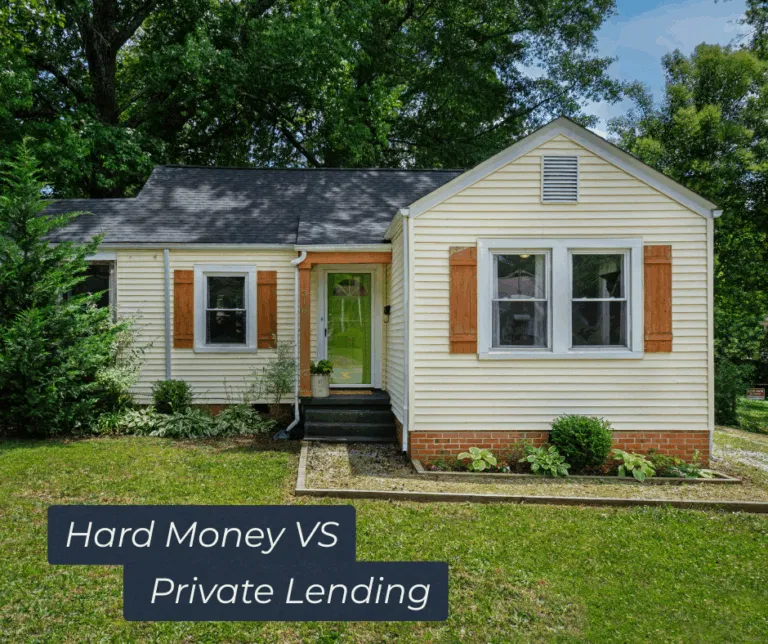
If you own a home in Wetaskiwin and are considering a second mortgage, it is fair to ask whether your location changes the rate.
The short answer is sometimes, but not in the way many people expect.
Wetaskiwin’s smaller market, older housing stock, and lower property values can affect how a lender views the property. But your rate is usually driven more by equity, combined loan-to-value, property condition, marketability, your current mortgage, and your repayment plan than by the city name on the application.
And in a genuinely lower-value market, the bigger question may not be, “What rate can I get?”
It may be: Does a second mortgage create enough usable money to justify the cost?
Wetaskiwin is not Edmonton, and lenders notice the difference
Wetaskiwin is a city of roughly 13,000 residents, about an hour south of Edmonton. It serves the County of Wetaskiwin as a regional centre for agriculture, oilfield services, healthcare, retail, and professional services.
The city also has a regional hospital and a large supply of older postwar homes. Many properties are detached bungalows, older two-storey homes, or modest houses built several decades ago. Downtown Wetaskiwin includes older commercial and residential buildings, while the surrounding area stretches into farmland, acreage country, Millet, and the Pigeon Lake region.
That creates a different lending environment from Edmonton.
Edmonton has:
- A much larger pool of buyers and renters
- More recent construction and neighbourhood variety
- More comparable sales for appraisers
- Stronger resale liquidity in many areas
- More lender competition
Wetaskiwin has plenty of perfectly financeable homes. However, a lender may be more cautious with an older, highly customized, rural, vacant, or difficult-to-resell property.
That can affect approval, maximum loan size, fees, and rate.
It does not automatically mean that every Wetaskiwin borrower receives a worse rate than every Edmonton borrower.
The real drivers of a second-mortgage rate
When private lenders assess a second mortgage, they are looking at the entire risk picture, not just your postal code.
1. Loan-to-value and combined LTV
The most important calculation is usually combined loan-to-value, or CLTV.
The formula is:
First mortgage balance + second mortgage amount ÷ appraised property value = combined LTV
For example, if your home is worth $300,000, your first mortgage is $150,000, and you want a $50,000 second mortgage:
- Total secured debt: $200,000
- Property value: $300,000
- Combined LTV: 66.7%
Lower CLTV generally means more lender options and better pricing.
Some private lenders may consider urban properties up to approximately 75% CLTV, while rural or more specialized properties may have lower limits. The actual maximum depends on the lender, property, appraisal, and borrower situation.
2. Property type and condition
A well-maintained Wetaskiwin bungalow with a standard layout may be easier to finance than a larger but heavily renovated property with unusual features.
Lenders may ask:
- Is the property owner-occupied?
- Is it a standard residential home?
- Is there deferred maintenance?
- Are there structural, environmental, or title concerns?
- Would the property appeal to ordinary buyers if it had to be sold?
- Is it inside Wetaskiwin, outside the city, or near a recreational area?
A Pigeon Lake-area acreage or recreational property may have meaningful land value, but it can also require more detailed appraisal work. Agricultural properties may involve separate questions about land, outbuildings, access, zoning, and income.
3. The appraisal and resaleability
The lender is advancing money against the property, not simply against what you believe the home is worth.
An appraisal helps determine:
- Current market value
- Condition and required repairs
- Comparable sales
- Marketability
- Whether the property value is supported by recent evidence
In a smaller market, there may be fewer comparable sales. That can create more uncertainty than in Edmonton, where appraisers may have a deeper pool of similar transactions.
4. Your first mortgage
Your first mortgage matters for two reasons.
First, its balance reduces the equity available for a second mortgage.
Second, its interest rate and renewal terms may determine whether adding a second mortgage is better than refinancing everything.
If you have a low-rate first mortgage, replacing it could be expensive. A second mortgage may allow you to keep that first mortgage in place while accessing only the additional funds required.
5. Your situation and exit strategy
Private lenders want to understand how the loan will be repaid.
Possible exit strategies include:
- Sale of the property
- Refinance into a bank or B-lender mortgage
- New employment or improved income
- Debt consolidation followed by improved cash flow
- Settlement of an estate
- Sale of another property
- Completion of a separation or divorce agreement
A clear, realistic exit strategy can matter as much as the initial reason for borrowing.
Wetaskiwin vs. Edmonton: a practical comparison
| Factor | Wetaskiwin | Edmonton |
|---|---|---|
| Typical housing profile | Older detached homes, postwar bungalows, modest houses, some rural and acreage properties | More varied housing stock, including newer suburbs, infill, condos, duplexes, and established neighbourhoods |
| Property values | Often lower than Edmonton, with many homes in the lower to mid-$200,000s | Generally higher and more varied by neighbourhood |
| Appraisal depth | Fewer directly comparable sales in some property categories | Usually more comparable sales and established market data |
| Resale liquidity | Can be slower for unusual, rural, or heavily outdated properties | Often stronger, depending on property type and neighbourhood |
| Potential lender view | Conservative if value or resaleability is uncertain | More lender options for standard, marketable properties |
| Rate impact | May be higher when property type, condition, or CLTV adds risk | May price more competitively on strong, standard files |
| Main question | Is there enough usable equity after costs? | Which lender and structure offer the best overall terms? |
Location is one variable. It is not the whole pricing decision.
A strong Wetaskiwin file with substantial equity may receive better terms than a high-CLTV Edmonton file with credit problems, unstable income, or a difficult property.

Worked example: a $220,000 Wetaskiwin home
Let’s use a realistic example.
Assume:
- Appraised value: $220,000
- Maximum combined LTV: 75%
- Total mortgage capacity: $165,000
- Existing first mortgage balance: $145,000
The gross room for a second mortgage is:
$165,000 − $145,000 = $20,000
That does not mean the homeowner receives $20,000 in usable cash.
A private second mortgage may involve:
- Lender fee
- Broker fee, where applicable
- Appraisal cost
- Legal and registration costs
- Possible discharge or administration fees
If the total transaction costs come to approximately $4,500 to $7,000, the net funds could be closer to $13,000–$15,500.
That may not be enough for a major renovation, a large debt consolidation plan, or a complicated settlement.
This is where honest mortgage advice matters. A second mortgage may technically be possible but still be a poor solution.
When the math does work
A second mortgage can make more sense in Wetaskiwin when the equity position is stronger.
A paid-off home
If your $220,000 home is mortgage-free, a second mortgage, or more accurately, a new mortgage registered against the property, could provide much more useful borrowing room.
At 60% LTV, the gross loan would be approximately $132,000. At 75% LTV, it could be approximately $165,000, subject to lender approval, property condition, and costs.
A small first mortgage
Suppose the same home is worth $220,000, but the first mortgage balance is only $50,000.
At a 75% combined LTV:
- Maximum total borrowing: $165,000
- Existing first mortgage: $50,000
- Potential second-mortgage room: $115,000 before fees
That is a very different equity position from the first example.
A well-maintained acreage near Pigeon Lake
An acreage or recreational property near Pigeon Lake may support financing when the land, improvements, access, and resale potential are well documented.
However, acreage financing is not automatically easier. Outbuildings, wells, septic systems, agricultural use, zoning, and seasonal occupancy can all affect the appraisal and lender decision.
For farm-related borrowing, explore whether agricultural financing in Alberta or a structured private mortgage is the better fit.
When keeping your first mortgage is smarter
Refinancing your entire mortgage may look simpler, but it can be costly if your first mortgage has a low interest rate or a large prepayment penalty.
Keeping the first mortgage and adding a second can make sense when:
- Your existing first mortgage rate is significantly lower
- You only need a limited amount of money
- The first mortgage has a large break penalty
- You have a clear short-term repayment plan
- The second mortgage payment is manageable
- The combined debt remains comfortably below the property value
On the other hand, refinancing may be better when the second mortgage would be too small after fees, or when consolidating the debts creates a much more manageable payment.
The correct comparison is not just:
“What is the second-mortgage rate?”
It is:
“What is the total cost of each option, and which one leaves me in a stronger position?”
When a second mortgage is the wrong move
A second mortgage may not be the right tool when:
- The usable equity is too small after fees
- You are borrowing to cover an ongoing monthly shortfall
- There is no realistic exit strategy
- The property needs major repairs before it can support the appraisal
- The new payment would create another cash-flow problem
- You are using short-term debt for a long-term financial issue
- A refinance, sale, or negotiated payment plan would solve the problem more effectively
For some Wetaskiwin homeowners, the better option may be a private first mortgage, a full refinance, or waiting until more equity is available.
For others, a home equity loan in Alberta may be suitable if income and credit support a conventional product.
The point is not to force a second mortgage into every situation.

What about credit problems or major life changes?
A second mortgage can be used for debt consolidation, but it should be structured around a plan to prevent the debt from building again.
It may also help with:
- A mortgage renewal declined by the bank
- Self-employed or variable income
- A mortgage for divorce settlement
- A spousal buyout
- Estate or inheritance costs
- Urgent repairs
- Debt consolidation before refinancing
Homeowners searching for a private mortgage Edmonton, private mortgage Calgary, or bad credit mortgage Calgary may find similar lending principles across Alberta. The city changes the property market, but the core questions remain the same: value, equity, risk, affordability, and exit.
For seniors, a reverse mortgage Edmonton solution: or a reverse mortgage available in Wetaskiwin: may be more appropriate than a second mortgage if the main goal is cash flow and there is no desire for regular monthly payments.
Wetaskiwin second-mortgage FAQ
Does a Wetaskiwin property automatically get a higher second-mortgage rate than an Edmonton property?
No. Wetaskiwin may have different lender pricing because of lower values, fewer comparable sales, or slower resaleability. But a strong equity position and marketable property can offset those concerns.
What is the maximum combined LTV?
Many private lenders consider up to approximately 75% on suitable urban properties. Rural, acreage, recreational, or higher-risk properties may have lower limits. The lender’s appraisal and policy control the final number.
Can I get a second mortgage with bad credit?
Possibly. Private lenders may focus more heavily on equity and property value than banks do. However, weak credit can still affect rate, fees, loan size, and approval.
Is a second mortgage better than refinancing?
It depends. Keeping a low-rate first mortgage can make sense when you need a smaller amount and face a significant penalty to refinance. A refinance may be better when the second mortgage would leave too little net cash or create an expensive payment structure.
Can I use a second mortgage for agricultural financing?
Possibly, depending on the property and loan purpose. Acreages and agricultural properties require careful review of land value, buildings, access, zoning, and income. Ask whether a specialized agricultural financing structure is more suitable.
What should I prepare before applying?
Have the following available:
- Property address and estimated value
- Current first mortgage balance and rate
- Recent mortgage statement
- Intended loan amount and purpose
- Income and employment details
- Details of any arrears, judgments, or tax balances
- A realistic repayment or refinance plan
The bottom line: location matters, but equity matters more
Wetaskiwin’s lower home prices can make second-mortgage math tighter. On a $220,000 home, a 75% lending limit may leave very little room once the first mortgage and closing costs are deducted.
That does not make second mortgages impossible.
It means the deal has to be sized carefully.
A paid-off home, a small first mortgage, a well-maintained property, or a strong Pigeon Lake-area acreage may support a useful loan. A highly leveraged older home may not.
At NOW Mortgage, we provide upfront cost estimates and review options without requiring a credit check to get started. We can help compare a second mortgage with a private first mortgage, refinance, debt consolidation, reverse mortgage, or simply waiting.
Start with the numbers: not the sales pitch. Book a confidential conversation with NOW Mortgage or apply online.
For additional context, see What Is a Private Mortgage?, Divorce & Separation Financing, and Most Asked Questions About Reverse Mortgages.
Leave a Reply